HMP Rye Hill was a safe, well-led prison delivering good outcomes for the men it held, according to the prison inspectorate. The inspectorate’s report, published in February 2020, rated the prison good in two of its four tests.
Rye Hill is a relatively modern category B training prison in the West Midlands. The private contractor G4S operated it at the time. Since 2014 it has held only men convicted of sexual offences.
Inspectors visited between 1 and 13 September 2019, their first visit since 2015. The prison held 659 men, against a capacity of 664. Some 488 were serving sentences of more than 10 years, and over 100 were serving indeterminate sentences, including life. Almost all presented a high risk of serious harm to others.
HM Chief Inspector of Prisons Peter Clarke wrote that, despite some variation in the grades, “this is basically an effective prison delivering good outcomes”.
Grades and progress
The inspectorate judges every prison against four healthy prison tests, graded good, reasonably good, not sufficiently good or poor.
Rye Hill rated good for safety and for rehabilitation and release planning, the same as in 2015. Respect improved from not sufficiently good to reasonably good. Purposeful activity, which covers education, work and time out of cell, slipped from good to reasonably good.
The prison had made solid progress on earlier advice. Of 57 recommendations from 2015, it had achieved 35, partially achieved seven and not achieved 15.
The Chief Inspector of Prisons found a well-led establishment working hard to promote prisoners’ well-being, sustain a community ethos and build a rehabilitative culture. He saw every reason to believe the prison could improve still further.
Although there was some variation in our healthy prison assessments, as on that occasion, this is basically an effective prison delivering good outcomes.
Peter Clarke, HM Chief Inspector of Prisons
A safe prison
New arrivals received very good support. The reception area had been refurbished and was impressive. Staff held initial safety interviews in private, and first night cells were clean and well prepared.
Prisoners known as Insiders, who introduce new arrivals to prison life, played a very effective part in reception and induction. They even checked on men after they moved to other wings.
Violence stayed low, and most incidents were not very serious. The atmosphere was settled, and most prisoners seemed motivated to engage with staff and the daily regime. Security was good, and illicit drug use was not widespread.
Some findings did not fit this picture. In the inspectorate’s survey, prisoners raised questions about their own sense of safety, which the Chief Inspector of Prisons said the prison should explore further. Staff used force often, and not always when necessary. The number of adjudications, or internal disciplinary hearings, also seemed out of line, and the prison needed to understand why.
Self-harm had declined but remained relatively high. A very small number of men accounted for a large share of incidents. Prisoners in crisis told inspectors they felt well cared for, helped by good peer support.
Respect and living conditions
Inspectors found that Rye Hill had become a more respectful prison. Relationships between staff and prisoners were constructive and supportive. Well-managed key work and very useful peer worker schemes helped.
Consultation with prisoners was wide-ranging. Staff dealt properly with most complaints and applications, though inspectors found that staff did not record every formal complaint.
The prison did useful work on diversity, including good support for older and disabled men. A fifth of the population was over 60. Even so, some protected groups continued to report more negative views.
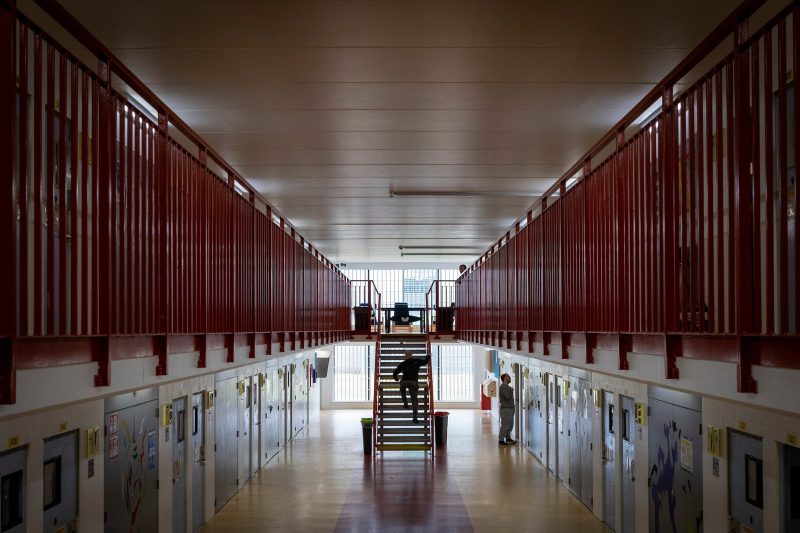
Faith provision was a strength, and health care was reasonably good. The prison was clean and well maintained, and cells were very good. Access to clothing, showers and cleaning materials was also good.
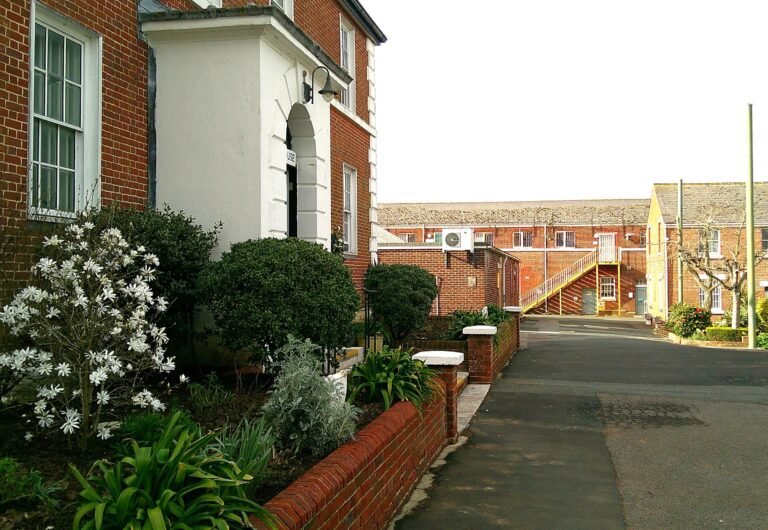
The very impressive grounds and gardens stood out. The report described them as “a civilising feature of the prison’s environment”, likely to support the men’s sense of well-being.
Activity, education and risk
Rye Hill remained a purposeful place. Prisoners had meaningful time unlocked, and very few stayed in their cells during the working day. A valuable activity centre supported older, vulnerable and disabled men.
Education, skills and work fell short, however. Attendance needed to improve, as did progress in English and maths. Two thirds of the population had reached only level 1 or lower in those subjects. Too many prisoners lacked sufficient challenge. Ofsted judged the overall effectiveness of education, skills and work as requiring improvement.
The prison handled one of its core tasks, managing the risk of harm, more successfully. Almost all prisoners had a risk and needs assessment and a sentence plan, and most understood what staff expected of them.
Offender supervisors, supported by key workers, kept reasonable contact with prisoners. One-to-one interventions were limited, but access to accredited offending behaviour programmes was better. Public protection work was satisfactory. Support for the few men released directly from Rye Hill needed to improve.
Inspectors have reported on Rye Hill again since, with a full inspection published in November 2024.
About this story
This story is based on HM Inspectorate of Prisons’ report on HMP Rye Hill, published on 7 February 2020, following an inspection that ended in September 2019. It covers an earlier inspection: the prison’s profile has the latest findings. All figures and judgements are the inspectorate’s. Read the full inspection report · See the prison’s profile in our directory.