Prisoners across England and Wales live in crowded, unsanitary cells, and essential repairs can take months or years, prison inspectors have found.
HM Chief Inspector of Prisons Charlie Taylor published the review, titled ‘Fit for purpose or falling apart?’, on 3 November. He says the system neglects prisoners and shows little sign of change. As a result, he says, the public is not properly protected.
The paper draws on 40 inspection reports published between 1 April 2025 and 31 March 2026, covering 35 men’s and five women’s prisons. Inspectors also analysed 6,404 survey responses from prisoners. The review updates a study of living conditions that the inspectorate published in 2017.
Almost half (49%) of the prisoners surveyed lived in buildings put up before the 1980s and never significantly refurbished. Most of this older accommodation sits in reception prisons and high secure jails.
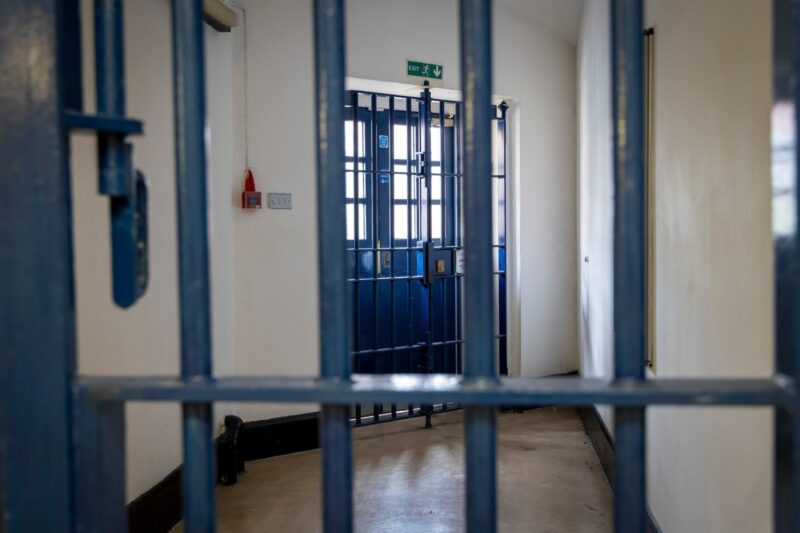
In his introduction, Mr Taylor writes that standards fall short of acceptable in many jails. He says reception prisons still rely on solid but outdated 19th century buildings, mainly because they sit close to the courts. There, two men often share a tiny cell built for one, and some spend up to 22 hours a day locked up.
Crowded cells and slow repairs
In the year to March 2026, 24% of prisoners in adult jails lived in overcrowded conditions. In reception prisons the figure was over half. High secure prisons had no overcrowding at all.
Inspections found far higher rates in some jails. At Lincoln, 87% of prisoners shared cells built for one person. The figure was 84% at Exeter and 78% at Leeds. At Guys Marsh, 130 prisoners, or 27% of the population, shared single cells, often without enough furniture or screening.
A Ministry of Justice analysis of 2022 data found that prisoners in overcrowded cells were 19% more likely than others to take part in an assault.
Repairs often stall. Mr Taylor says complex procurement can delay work for years, and one prison had relied on ‘temporary’ boilers for seven years. The collapse of the construction firm ISG in September 2024 also disrupted renovation work.
At Birmingham, three wings had closed for refurbishment, cutting the prison’s capacity from 1,450 to 997. The same wings were closed at inspections in 2021 and 2023, and at a review in 2019. The work will now run until mid-2027. A lift stayed out of service for eight months, and disabled prisoners could not reach some facilities.
The Birmingham inspection report recorded one wheelchair user’s account: “One wheelchair user told us he crawled up the stairs to use the kiosk when the machine on the ground floor was broken”.
Toilets, showers and vermin
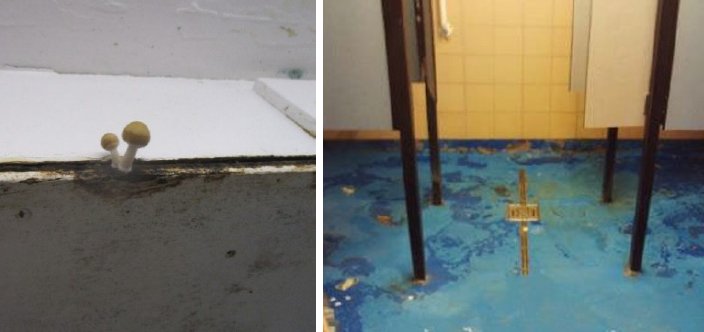
Inspectors regularly found mould, broken windows, poor ventilation and damaged floors. At Exeter, broken windows also made it easier for drones to deliver illicit items to cells.
Where cells had no toilet, people used buckets and bags at night. A few prisons still used night sanitation, which unlocks prisoners one at a time to reach a toilet. At Coldingley, inspectors noticed the smell of urine in several areas.
In many jails, the in-cell toilet sat beside the bed. Inspectors found broken or stained toilets at Bullingdon, Lewes and Isis, and toilets without lids at Bullingdon. Prisoners at Birmingham, Elmley, Hewell and Leeds hung sheets for privacy. Women’s prisons, including Low Newton, also lacked proper screening.
Only 49% of prisoners in the oldest buildings described their showers as clean, against 88% in modular units. Lincoln often closed its showers over water temperature and legionella concerns.
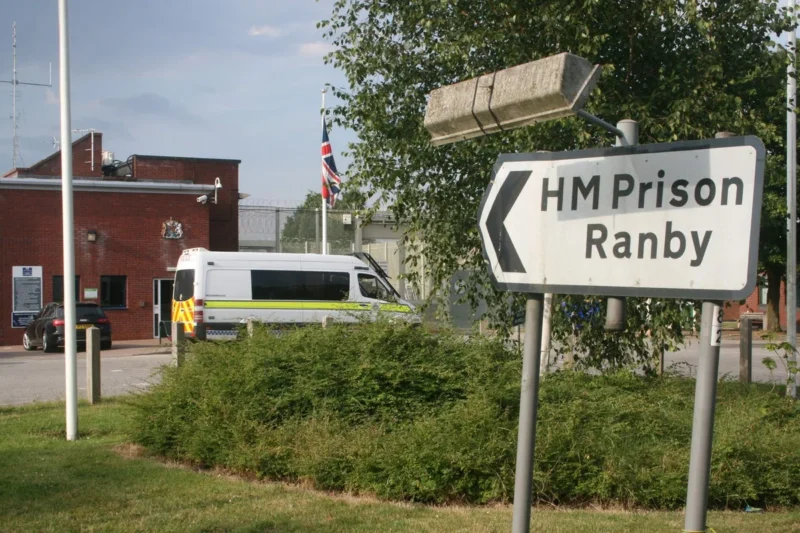
Feltham B, Pentonville and Wormwood Scrubs had persistent problems with rats, mice or cockroaches. Poor ventilation left cells at Altcourse, Leeds and Pentonville overheating. In winter, unreliable heating left prisoners at Guys Marsh, Ranby and Lincoln cold for long spells.
At Pentonville, new arrivals spent their first nights in dirty cells without bedding or pillows. Whitemoor, Lowdham Grange, Ranby and Prescoed ran short of bin bags, cloths and disinfectant. In category B training prisons, only 46% of prisoners said communal areas were clean.
Some jails showed what strong leadership can achieve. At Lewes, a team of skilled prisoners carries out repairs across the prison and saves it money. Berwyn involves prisoners in cleaning and maintenance, and 97% of men at Haverigg have a cell to themselves.
Mr Taylor writes that he has too often visited jails where prisoners have no bedding, storage or somewhere to sit. Prisons, he says, must be decent places if they are to rehabilitate “rather than just warehouse prisoners”.
‘Doomed to come back’
Mr Taylor has previously warned that many prisoners spend most of the day in bed, watching television and taking drugs. He regards regimes in many prisons as lax, and says there are too few officers to keep order and safety. He calls it shocking that a quarter of prisoners developed a drug addiction while inside.
He says these failings mean too many people are “doomed to come back”, and that the public bears the cost. Recalls to prison now outnumber releases, he says.
Andrea Coomber, Chief Executive of the Howard League for Penal Reform, said the system had become a vicious circle. She blamed decades of ever-longer sentences for a rise in the prison population that has left dozens of jails over capacity and in disrepair.
Pia Sinha, Chief Executive Officer of the Prison Reform Trust, said overcrowding meant prisons needed every place. That left little room to close cells for repair. She said: “These are not conditions that support rehabilitation.” She warned that “even the best-led prisons cannot compensate indefinitely for chronic overcrowding and an ageing estate”.