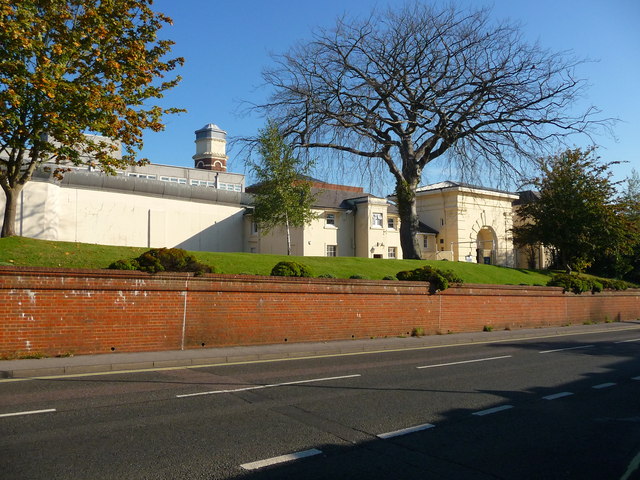
Leaders at HMP Winchester had steadied the prison after a period of crisis, but violence between prisoners remained among the highest for comparable jails. That was the finding of HM Inspectorate of Prisons in a report published in May 2026.
The inspection followed an Urgent Notification, a formal warning from the Chief Inspector of Prisons to the Justice Secretary, issued in October 2024. Inspectors returned in an announced follow-up inspection, with fieldwork ending in February 2026.
Charlie Taylor, HM Chief Inspector of Prisons, said inspectors had been encouraged by the progress leaders had made. However, he said many earlier weaknesses persisted. “Leaders, with continued support from HMPPS, must now build on recent progress with increasing urgency,” he wrote.
Winchester is a category B reception prison for men, with a separate category C site. It held 625 men during the inspection, against an operational capacity of 666.
Modest improvement in the grades
The inspectorate grades prisons against four healthy prison tests. At the previous full inspection, published in January 2025, Winchester scored poor for safety, respect and purposeful activity.
This time, safety and respect each rose to not sufficiently good. Purposeful activity, which covers education, work and time out of cell, stayed poor. Preparation for release remained reasonably good.
Inspectors identified 13 key concerns, six of them priorities. The priorities covered the condition of the buildings, violence, drugs, self-harm, time locked in cells and a shortage of activity places.
Leaders, with continued support from HMPPS, must now build on recent progress with increasing urgency.
Charlie Taylor, HM Chief Inspector of Prisons
Violence, drugs and self-harm
Violence between prisoners had increased and was still rising. In the 12 months before the inspection, the prison recorded a rate of 415 assaults on prisoners per 1,000 prisoners. Serious assaults were among the highest in reception prisons.
Assaults on staff had fallen, to a rate of 196 per 1,000 prisoners, but remained higher than in most comparable jails. In the inspectorate’s survey, 60% of respondents said they had felt unsafe at Winchester.
Inspectors linked the violence to drugs, debt, bullying and the frustrations of an overcrowded, ageing jail. The smell of drugs on the wings was pervasive. More than half of prisoners surveyed said drugs were easy to get, and a large proportion tested positive.
Self-harm was among the highest of similar prisons, though it had started to fall. Committed safety staff were too often moved to other duties, which limited their work.
Only 16% of respondents said the prison’s culture motivated them to behave well. After consulting prisoners, leaders had updated the incentives scheme, adding a higher work payment and extra evening time out of cell for those on the enhanced level.
Use of force remained higher than in similar prisons but had dropped by around 11%. Most force was low level. Camera footage showed good de-escalation, and staff rarely drew batons or PAVA incapacitant spray.
Locked up, bored and in poor conditions
On the main site, a third of men were locked up during the working day. Nearly half had no allocated activity. Even on the category C units, fewer than half took part regularly in purposeful activity.
Libraries were poorly stocked, and staff frequently cancelled association, the time prisoners spend out of cell together. Inspectors reported that “most prisoners told us they were bored”.
Ofsted judged education, skills and work inadequate across almost every measure. The curriculum did not meet the needs of a reception population, and careers advice came too late.
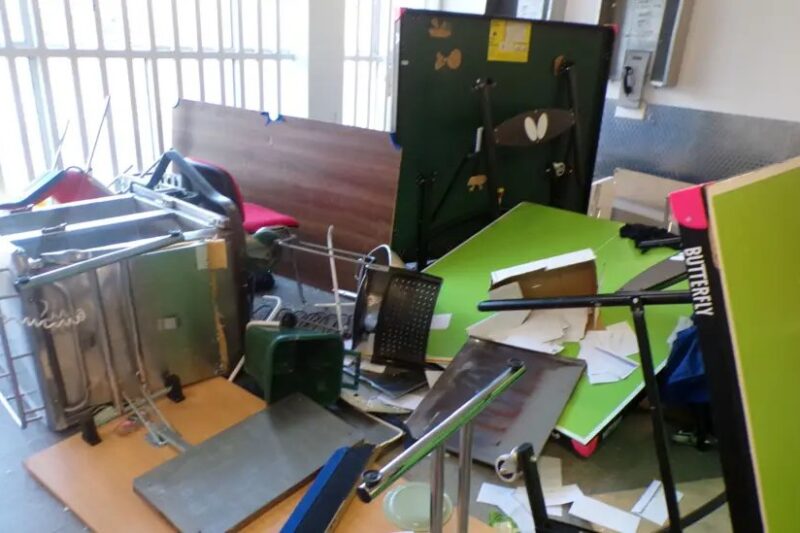
The Victorian buildings were still run down despite the work of a dedicated clean and decent lead and prisoner maintenance teams. Leaks, damp, graffiti and crowded cells were a daily reality for many men. Conditions on the Westhill unit were particularly poor.
Only 11% of prisoners surveyed said staff had offered them a shower on their first night. The report included an image of a bucket catching a leak in a reception holding room.
Strengths to build on
Inspectors found improved leadership. The deputy governor had led competently for several months before a new, experienced governor took over. Inspectors said he had an accurate view of the challenges ahead.
Health services had improved significantly through strong leadership, better partnership working and successful recruitment. Mental health provision had also strengthened.
The offender management unit, which oversees sentence planning, had strong leadership and motivated staff who knew their prisoners well. The charity Spurgeons provided very good support with family ties, including help after release.
Too many men still left Winchester homeless, however. Inspectors also found gaps in the monitoring of phone calls and mail needed to protect the public. The Chief Inspector of Prisons said the prison needed substantial investment to reach an acceptable standard.
About this story
This story is based on HM Inspectorate of Prisons’ report on HMP Winchester, published on 26 May 2026, following an inspection that ended in February 2026. All figures and judgements are the inspectorate’s. Read the full inspection report · See the prison’s profile in our directory.