Daily life at the men’s prison at HMP Peterborough had deteriorated markedly, with 42% of prisoners locked in their cells during the working day, inspectors found.
HM Inspectorate of Prisons published its report in April 2024, after fieldwork that ended in January 2024. Inspectors rated purposeful activity, which covers education, work and time out of cell, as poor. Ofsted judged the overall effectiveness of education, skills and work inadequate, its lowest grade.
Charlie Taylor, HM Chief Inspector of Prisons, wrote: “Peterborough men’s prison is not as good as it has been in the past, which is a great disappointment.”
Mixed grades and a falling regime
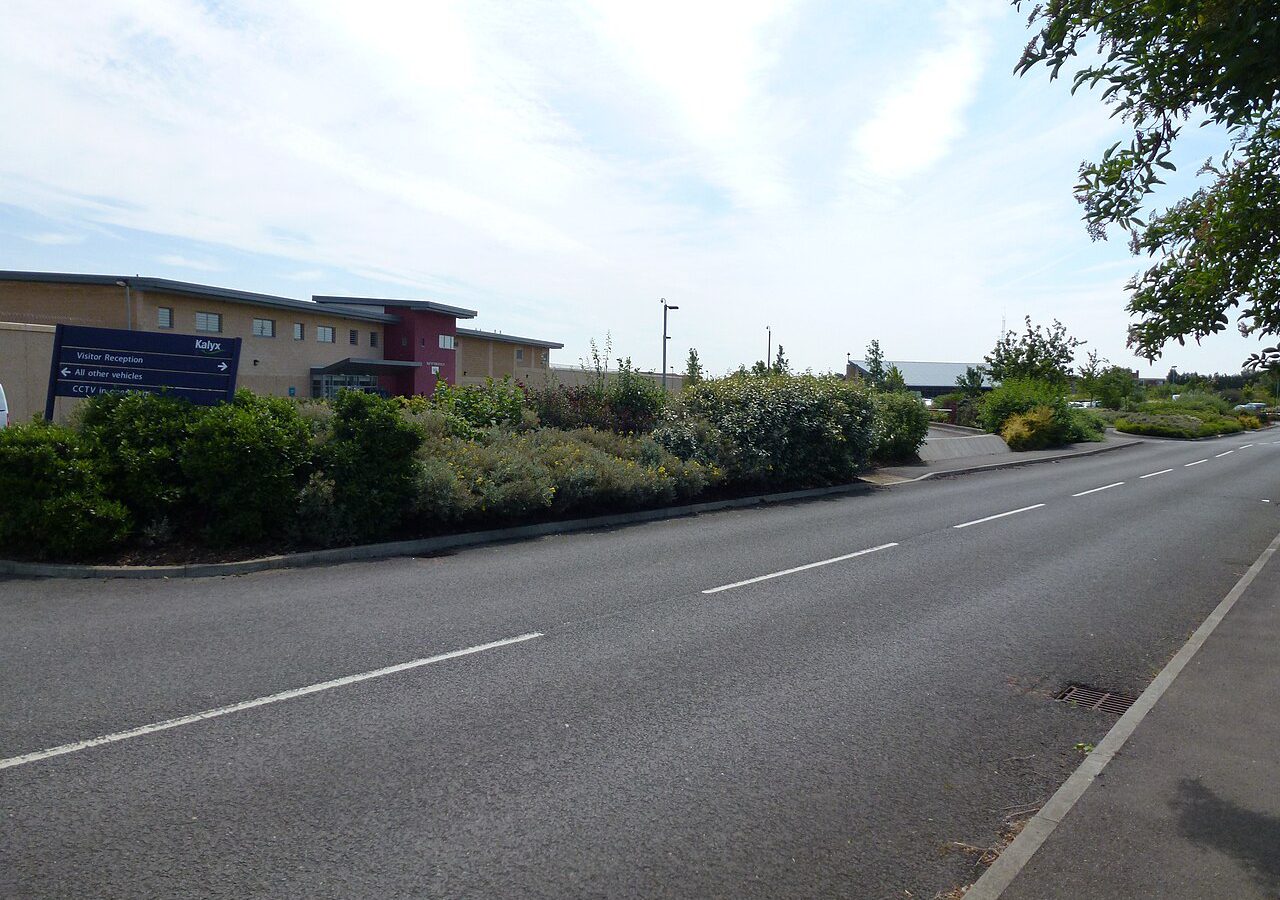
Peterborough is a reception and resettlement prison serving the east of England. It opened in 2005 and Sodexo runs it under a 25-year contract. It is the only prison in England and Wales to hold men and women on the same site. The women’s side, a separate facility within the wall, receives its own inspection.
The men’s prison held 906 men during the inspection, against an operational capacity of 944. Some 3,671 new prisoners had arrived in the previous year. Just under half were on remand or unsentenced.
Inspectors assess each prison against four healthy prison tests. Peterborough scored reasonably good for safety, an improvement. It scored not sufficiently good for respect and for preparation for release, and poor for purposeful activity.
At the previous full inspection, in 2018, inspectors had found outcomes reasonably good or better for respect, purposeful activity and rehabilitation and release planning. They had raised significant concerns about safety at that time. In between, inspectors carried out a short scrutiny visit during the Covid-19 pandemic, reported in January 2021, which did not produce grades.
Peterborough men’s prison is not as good as it has been in the past, which is a great disappointment.
Charlie Taylor, HM Chief Inspector of Prisons
Staff shortages and leadership gaps
About a third of officers were typically unavailable for duty. As a result, staff often cancelled or cut short the daily routine, and too many men stayed locked up during the core working day. Well under half of prisoners took part in purposeful activity.
Inspectors found too few education, skills and work places for the population. Many men did work with no formal training that did not build skills for employment. Apart from education and training courses, the prison offered no structured enrichment activities.
The report traced much of the decline to leadership. Over the previous 18 months, Sodexo had deployed senior staff to support its other prisons. The Chief Inspector of Prisons wrote: “Leaders had been taken from Peterborough to tackle operational challenges elsewhere in the estate and this seems to have had a detrimental effect.”
He called for greater priority for the prison and more support for the interim director. Frequent changes of leadership in education had also contributed to the slide, and the post of head of reducing reoffending had stayed empty for too long.
Safety, drugs and health care
Safety had improved. New arrivals received good treatment, with support from peer workers and a reasonable induction. Most safety measures looked fairly typical for similar prisons, and self-harm sat below the average for comparable jails. Use of force had fallen slightly.
Still, a quarter of prisoners in the survey said they felt unsafe, and that figure rose among Muslim prisoners. There had been two self-inflicted deaths in the past five years. Inspectors found few incentives to reward good behaviour.
Drugs remained a serious problem. A third of prisoners said illicit substances were easy to get, and a quarter of random drug tests over the year had come back positive. Men arriving late in the evening with drug and alcohol problems faced delays in getting medication.
Chronic problems recruiting and keeping clinicians had weakened health care. Not every new arrival received a second health assessment within a week, and record keeping was poor. The prison was also overcrowded by about a third.
Release planning and good practice
Resettlement support was too limited. The regular housing adviser had not visited the site for over a year. Almost a third of prisoners had left homeless, and 333 men had done so in the previous 12 months.
Inspectors did find strengths. Support for transgender prisoners was excellent. A quiet pod in the visits hall gave neurodivergent children a calmer space during visits. The Outside Links service in Peterborough city centre offered men hot meals, showers and phone calls in the days after release.
Staff and prisoners generally treated each other with respect, although many staff were inexperienced. The appointment of a new diversity manager encouraged inspectors.
The inspectorate later published an independent review of progress at the men’s prison, in November 2024. That follow-up visit assessed progress against the key concerns from this inspection.
About this story
This story is based on HM Inspectorate of Prisons’ report on HMP Peterborough (men), published on 9 April 2024, following an inspection that ended in January 2024. All figures and judgements are the inspectorate’s. Read the full inspection report · See the prison’s profile in our directory.