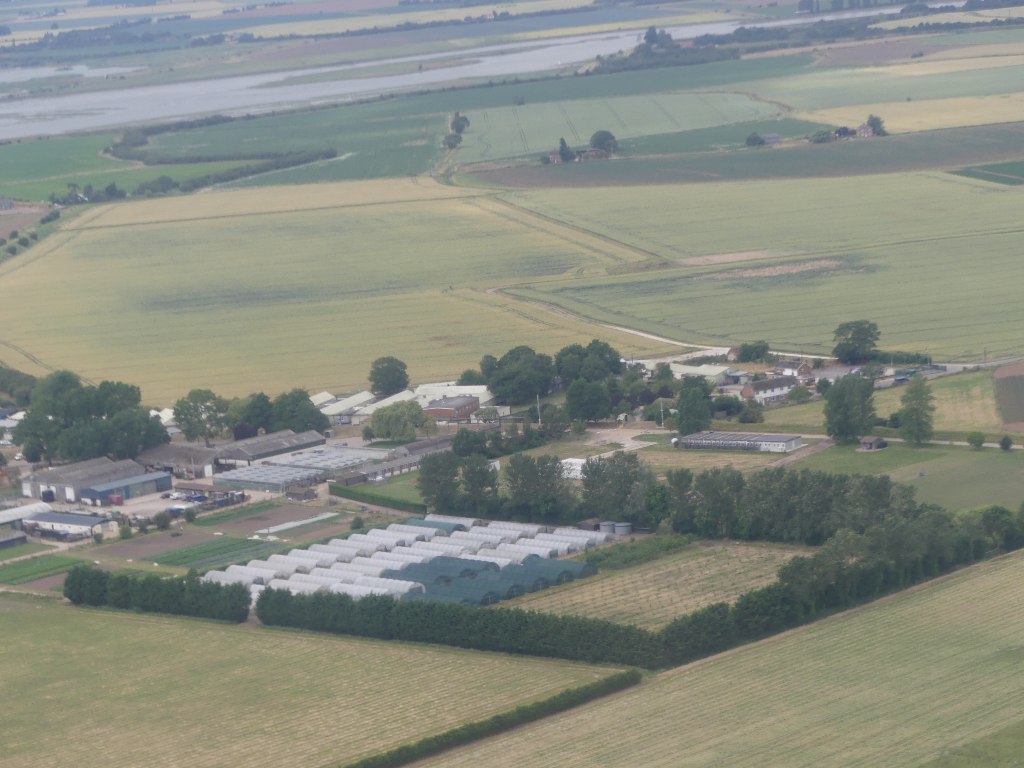
HMP North Sea Camp, an open prison on the Lincolnshire coast near Boston, was a very safe institution, according to the inspectorate’s report published in August 2023. Inspectors rated safety good and the other three healthy prison tests reasonably good.
But the report found that almost all men shared cells so cramped they lacked space for even a table or chair. Inspectors also identified significant weaknesses in public protection, the work that manages the risk prisoners pose to others.
The category D prison held 296 men when the inspection ended in June 2023, against an operational capacity of 300. More than half had convictions for sexual offences, and many were serving indeterminate sentences.
Grades and history
The inspectorate assesses prisons against four healthy prison tests: safety, respect, purposeful activity, and rehabilitation and release planning. Purposeful activity covers education, work and other productive time. The grades run from good through reasonably good and not sufficiently good to poor.
This was the first full inspection of North Sea Camp since 2017. Inspectors made a shorter scrutiny visit during the Covid-19 pandemic, with a report published in June 2021. They did not grade that visit.
At this inspection, inspectors identified 10 key concerns, four of them priorities. They also found seven examples of notable positive practice that other prisons might learn from.
There were some significant failings in public protection arrangements. Departments in the prison were not communicating properly and some risks were being missed.
HM Inspectorate of Prisons report
A calm and safe prison
Violence was very rare. New arrivals received a good welcome in a refurbished reception, where peer workers greeted them alongside staff. Absconds and failures on temporary release happened very infrequently and compared well with other open prisons.
The prison housed men convicted of sexual offences alongside other prisoners. Inspectors said this mix raised some low-level issues. A recent influx of shorter-term prisoners, part of a national programme to fill places in open prisons, unsettled the balance for a time. Leaders contained the tensions without incident.
Staff took a case-by-case approach when men broke the rules. Inspectors found no evidence that leaders sent non-compliant prisoners back to closed conditions too quickly.
Positive relationships between staff and prisoners underpinned much of the good work. Peer support and consultation arrangements were strong. Leaders had introduced a “trigger dates” database, which flagged dates that might affect a prisoner’s mood or behaviour. Inspectors listed it as notable positive practice.
Living conditions and fair treatment
The rural setting and pleasant grounds encouraged a sense of well-being. Yet many buildings, especially the accommodation blocks, were showing their age and needed refurbishment. The governor expressed frustration at delays in securing new investment. The report linked some delays to concerns over flood risk at a site next to the North Sea.
Five detached houses outside the main perimeter held 67 long-term prisoners. These men lived independently towards the end of their sentences.
Inspectors saw clear evidence that the promotion of equality was improving. However, prisoners with protected characteristics lacked the confidence to raise concerns. This applied particularly to those from black or minority ethnic backgrounds, who made up 23% of the population.
Health care provision and outcomes were generally very good. One gap stood out. Patients who needed a psychiatry appointment never saw the psychiatrist face to face, contrary to commissioning arrangements.
Work, education and release
As an open prison, North Sea Camp never locked men in their cells. Nearly all took part in purposeful activity. Some 60 men did paid work or other resettlement activity outside the prison each day.
Release on temporary licence, known as ROTL, lets men leave the prison for work, family ties or preparation for release. The prison recorded 1,300 temporary release days in April 2023. Even so, leaders did not offer a broad enough range of ROTL placements.
Education was the weak point. Ofsted judged it “requires improvement”, its second lowest assessment. Too few men who needed help with mathematics and English could reach those subjects. The teaching did not enable enough of them to make real progress. Leaders had not fully put a reading strategy in place.
The offender management unit had good resources and capable staff. But inspectors found “some significant failings in public protection arrangements”. Departments did not communicate properly, and some risks went unnoticed. Most offender assessments, known as OASys, came too late after a prisoner’s arrival. On some occasions, temporary release had gone ahead without an OASys review.
Support for men to keep in touch with their families remained poor, another priority concern. On a more positive note, a two-week group called Home Leave Preparation helped men cope with stresses they might face after release.
Chief Inspector of Prisons Charlie Taylor praised the governor’s confident, balanced leadership, along with a full staff complement and a strong local culture. He wrote that North Sea Camp “continues to do much to meet the needs of the men held there”.
About this story
This story is based on HM Inspectorate of Prisons’ report on HMP North Sea Camp, published on 30 August 2023, following an inspection that ended in June 2023. All figures and judgements are the inspectorate’s. Read the full inspection report · See the prison’s profile in our directory.