HMP Leicester had become a much safer prison since inspectors last visited in 2018. HM Inspectorate of Prisons set out the improvement in a report published in May 2023. Violence had fallen considerably, and use of force had dropped by over 40%.
Inspectors visited the city centre reception prison between 13 and 23 February 2023. They judged outcomes reasonably good in three of the four areas they assess. Only purposeful activity fell short.
HM Chief Inspector of Prisons Charlie Taylor wrote: “Overall, this is an encouraging inspection that describes a prison doing its best in difficult circumstances.”
How inspectors graded the prison
The inspectorate assesses prisons against four healthy prison tests: safety, respect, purposeful activity, and rehabilitation and release planning. Purposeful activity covers education, work and time out of cell. Rehabilitation and release planning covers offender management, public protection and preparation for release.
At Leicester, inspectors rated safety, respect, and rehabilitation and release planning reasonably good. They judged purposeful activity not sufficiently good. In 2018, the report noted, the prison had needed to be safer.
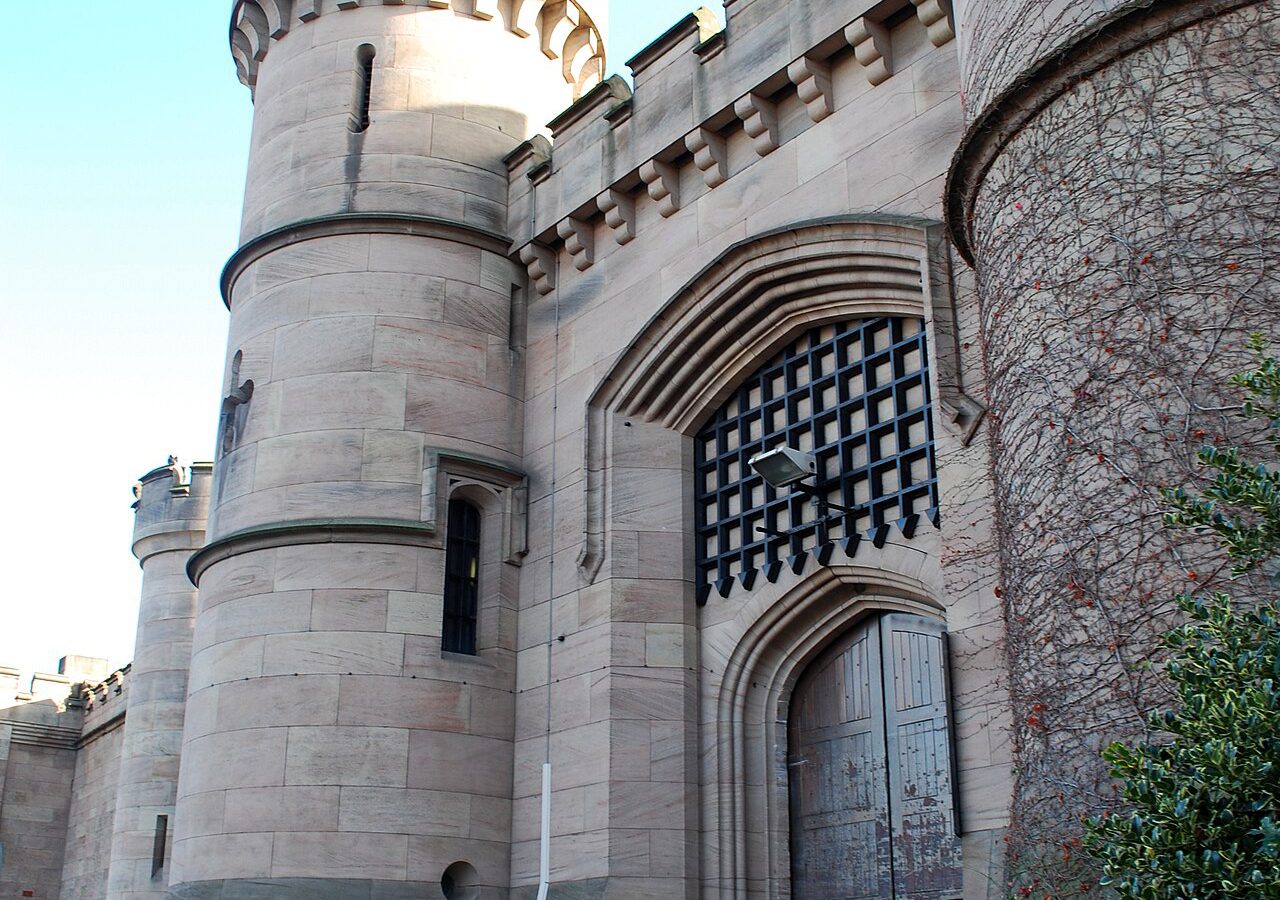
The Victorian prison was built in 1874 behind a gatehouse dating from 1825. Its main job was to serve the courts of Leicester and the wider East Midlands. It could hold up to 348 men, almost all on a single wing, and held 322 during the inspection. Some 1,469 new prisoners arrived each year. Around 40% were on remand or awaiting sentence.
Space was at a premium, and most prisoners lived in overcrowded conditions. The report said the size of the site, its lack of facilities and its antiquated infrastructure all posed challenges.
Overall, this is an encouraging inspection that describes a prison doing its best in difficult circumstances.
Charlie Taylor, HM Chief Inspector of Prisons
A safer prison
Charlie Taylor wrote: “The improvement in the safety of prisoners was noticeable.” Reception and induction worked reasonably well, and vulnerable prisoners received good care. Management of the segregation unit had improved markedly.
Three prisoners had taken their own lives in 2019. Since then, self-harm had fallen by a third, and staff generally cared well for men in crisis. Even so, inspectors wanted a stronger strategy to tackle the underlying causes of self-harm.
Drugs remained a weakness. Leaders had yet to tackle supply and demand, and the report made this a priority concern. Frequent redeployment of staff affected searching and testing, and prisoners could predict when drug tests would happen. Work to support recovery from addiction lacked priority.
Inspectors also raised a serious safety risk. The emergency cell call bell system did not work effectively.
Relationships, conditions and activity
Many prisoners seemed fairly content. They liked being close to home, and strong relationships with staff eased many problems. The culture of the prison was positive.
Living and working conditions were still not good enough, despite significant investment. Many cells needed refurbishment. The worst were on the Parsons Unit, where inspectors found damp, mould and cockroaches. The gym had suffered damage from a leaking roof. Leaders could have done more to demand better cleanliness and access to basic kit.
Prisoners spent about five hours a day out of their cells on average. During the working day, inspectors found about a third locked up. Only just under a quarter were doing something purposeful. Very few could get full-time activity, and the available places were not always filled. Access to social visits, the library and the gym was good.
Ongoing staff shortages prevented a full regime. Competition from other local employers, including two new prisons in the area, made recruitment harder. The senior team was small, but its members communicated well and were often seen around the prison. Inspectors said they were impressed by the team’s resilience and commitment.
Release planning and later inspections
Offender management, public protection and release planning were generally useful and effective. The prison made efforts to support men on remand, a group the report said is often overlooked. Inspectors highlighted three examples of notable positive practice. These included a three-day pre-release course and an excellent departure lounge in the city linking released men to community services. A third example allowed men in segregation to earn weekly access to the main gym, religious services and group exercise, which helped them return to the main wing sooner.
However, too many men who should have left from Leicester moved to HMP Lincoln late in their sentence. The report said this undermined resettlement work.
Inspectors have reported on Leicester again since, with a full inspection published in November 2025 and an independent review of progress published in September 2026. This article covers the report published in May 2023.
About this story
This story is based on HM Inspectorate of Prisons’ report on HMP Leicester, published on 30 May 2023, following an inspection that ended in February 2023. It covers an earlier inspection: the prison’s profile has the latest findings. All figures and judgements are the inspectorate’s. Read the full inspection report · See the prison’s profile in our directory.