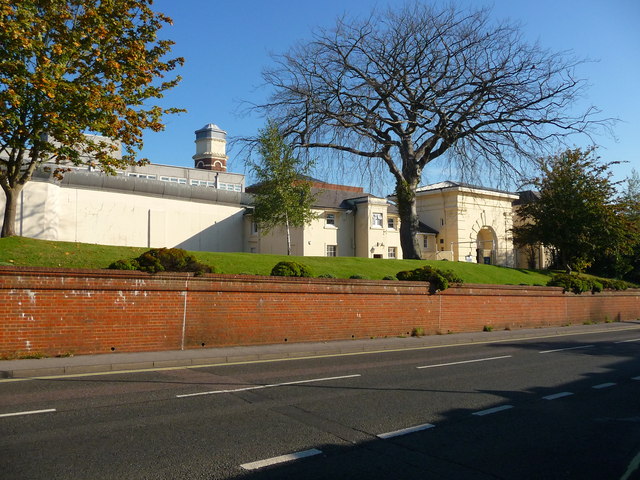
HM Chief Inspector of Prisons Charlie Taylor invoked the Urgent Notification process for HMP Winchester in October 2024. The inspectorate published the letter on 24 October 2024.
An Urgent Notification is a formal letter in which the Chief Inspector of Prisons tells the Justice Secretary about urgent and significant concerns at a prison. The Justice Secretary must respond publicly within 28 days, setting out how the concerns will be addressed.
The letter followed an unannounced inspection of the category B reception prison in October 2024. It went to the Rt Hon Shabana Mahmood MP, Lord Chancellor and Secretary of State for Justice. The Deputy Chief Inspector of Prisons signed it on behalf of the Chief Inspector of Prisons.
The letter set out a bleak picture. It said: “The prison remained one of the most unsafe in the country.” It added that many men lived in very poor conditions, without access to purposeful activity.
A persistently underachieving jail
This was the fourth inspection of Winchester since 2016. The letter described a prison that had persistently underachieved.
Inspectors judge prisons against four healthy prison tests: safety, respect, purposeful activity and preparation for release. Purposeful activity covers education, work and time out of cell. At this inspection, Winchester received the lowest assessment in three of the four tests: safety, respect and purposeful activity.
Many concerns raised at the previous inspection in 2022 still needed attention. Inspectors had reported some encouraging signs after an independent review of progress in November 2022. However, the letter said outcomes had since deteriorated in many critical areas.
Men felt frustrated by the inability to get even basic things done. The letter cited this frustration repeatedly as a driver of the prison’s problems.
The prison remained one of the most unsafe in the country, and many men lived in very poor conditions, without access to purposeful activity and frustrated by the inability to get even basic things done.
HM Inspectorate of Prisons report
Violence, self-harm and drugs
Violence had increased since the last inspection and was very high. Serious assaults against staff were the highest of all reception prisons. Serious assaults against prisoners were the second highest.
Prisoners told inspectors that drugs, debt and frustration lay behind the violence. They said staff failed to deal reliably with even the most basic requests.
The rate of self-harm had increased since the last inspection. It was the third highest of all reception prisons. There had been two self-inflicted deaths since the last inspection.
Many prisoners felt frustrated by a lack of activity and insufficient mental health support. Many also could not use phones to contact their families.
In the inspectorate’s survey, 47% of prisoners said it was easy to get illicit drugs. The prison had identified the supply of illicit items as a serious security risk. Despite this, all drug testing stopped for five months during 2024. Random testing only restarted in August, and 41% of those tests proved positive.
Physical security also had weaknesses, including the fabric of B wing, where a prisoner had removed his cell door. More than a third of CCTV cameras did not work. The letter said the site needed substantial investment to fix failing infrastructure.
Conditions and time out of cell
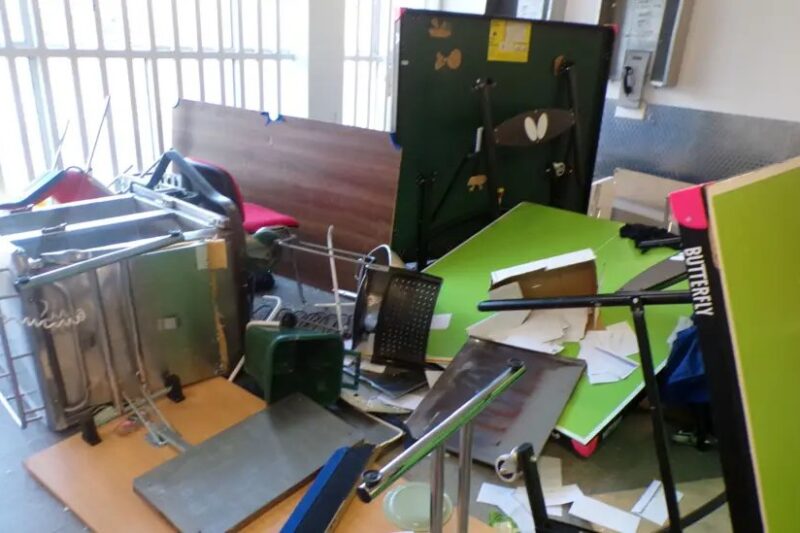
The letter described the prison environment as dilapidated, neglected and filthy. Standards of accommodation were very poor.
Many cells had graffiti, often offensive, along with insufficient or broken furniture and damaged phone sockets. Cells were often cold or poorly ventilated, causing damp and mould. The mould was so bad that “we questioned whether some were fit for habitation”, the letter said.
First night cells, where new arrivals spend their first hours in the prison, were in very poor condition. They had lots of graffiti and often lacked proper equipment. Only around a quarter of surveyed prisoners said staff offered them a phone call on arrival. Some men waited weeks for approval of the numbers they needed to call their family.
Most prisoners had only 2.5 hours a day out of their cells. Inspectors’ checks found fewer than a third of men engaged in purposeful activity during the working day.
Ofsted, which inspects education in prisons, rated the overall effectiveness of education, skills and work as inadequate. Leaders had not done enough to develop the rehabilitative function of the category C site.
Staff, leaders and the response needed
The letter recorded some progress on staffing. Winchester had recruited its full quota of prison officers. Relationships between staff and prisoners were generally better than at the last inspection.
Even so, the letter identified an urgent need to build staff competence and confidence. Inspectors found some motivated middle managers, but most lacked experience. Leaders had not done enough to make processes work consistently or to meet prisoners’ basic needs.
The letter acknowledged that the prison group director had recognised the jail’s challenges and shortcomings. A support programme run by His Majesty’s Prison and Probation Service (HMPPS) had also drawn up a delivery plan very recently. That plan had yet to have an effect.
The letter called the poor outcomes systemic failings under the oversight of HMPPS and the Ministry of Justice. It said Winchester would need sustained support and investment to provide decent living conditions, improve safety and security, and operate effectively.
Since this report
Inspectors have reported on HMP Winchester again since. The full inspection report followed in January 2025, and a further full inspection report appeared in May 2026.
About this story
This story is based on the Urgent Notification on HMP Winchester that HM Inspectorate of Prisons published on 24 October 2024. It covers an earlier report: the prison’s profile has the latest findings. All figures and judgements are the inspectorate’s. Read the Urgent Notification · See the prison’s profile in our directory.