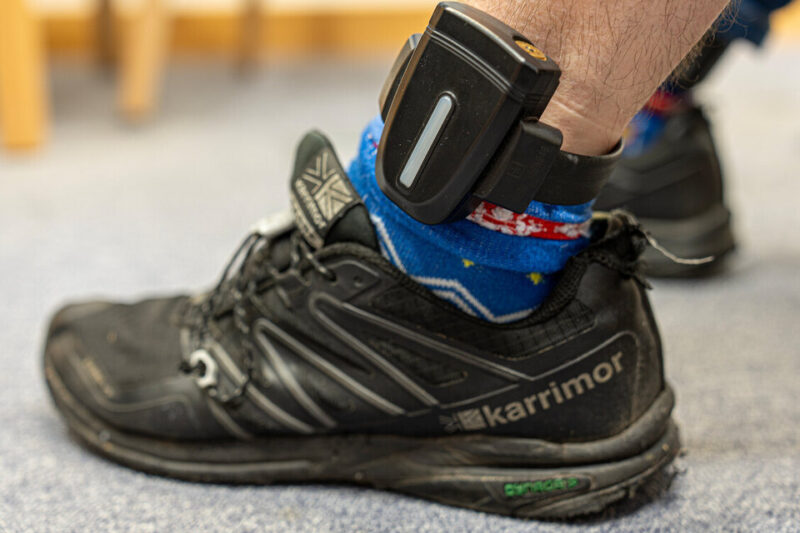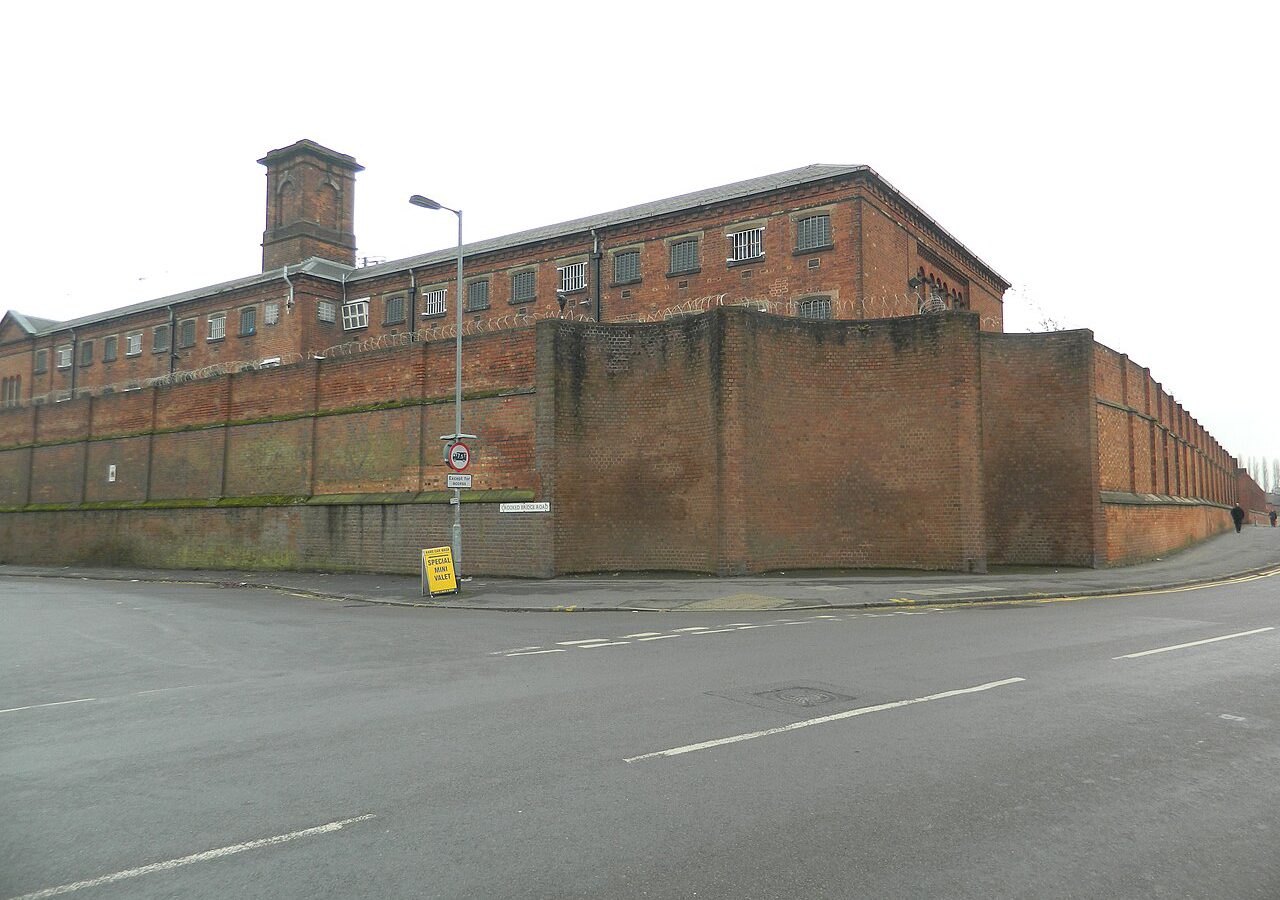
HMP Stafford remained a good prison at its most recent inspection, matching the grades it achieved in 2020. However, the Chief Inspector of Prisons warned that many officers avoided learning about the offences of the men in their care.
Stafford is a category C closed training prison in the West Midlands for adult men convicted of sexual offences. Category C prisons hold men who are not trusted with open conditions but are judged unlikely to try to escape. The prison held 753 men during the inspection, which matched its operational capacity of 753.
HM Inspectorate of Prisons published its report in March 2025, after fieldwork that ended in December 2024. Charlie Taylor, the Chief Inspector of Prisons, called it “a positive inspection of a prison that was continuing to improve”.
Grades and leadership
The inspectorate grades adult prisons against four healthy prison tests: safety, respect, purposeful activity and preparation for release. Purposeful activity covers education, work and time out of cell. Each area receives one of four grades, from good down to poor.
Stafford was good for safety and for respect. It was reasonably good for purposeful activity and for preparation for release. These grades matched those from the previous full inspection, reported in May 2020.
Unstable leadership had troubled the prison for some time. The current governor was the fourth in post since the last inspection. Inspectors found she had brought stability and rigour in a short period, setting clear priorities and high standards. In the staff survey, 82% of respondents said leaders communicated the prison’s top priorities quite or very clearly.
The prison had a full complement of mostly experienced officers, and retention was good. Sickness absence remained too high, and the governor had made staff well-being a focus. Inspectors listed eight key concerns, four of them priorities, including the history of unstable leadership.
Overall, this was a positive inspection of a prison that was continuing to improve.
Charlie Taylor, HM Chief Inspector of Prisons
Understanding the risk men pose
The Chief Inspector of Prisons named one issue as his biggest concern. Many officers did not want to know the nature of each man’s offence, fearing it would colour how they saw him.
Inspectors said this left officers unable to understand the risk prisoners posed. It also meant they could miss offence-mirroring behaviour, where conduct inside prison echoes the original offending. The report described that intelligence as essential for judging progress, choosing treatment and informing parole hearings.
Staff had not received enough training to understand sexual offending or to record and challenge sexualised comments. As a result, inspectors judged that the prison was not doing enough to reduce the risk these men would pose to the public after release. The psychology team had started training officers, and almost all staff had completed online training for this work. Inspectors said more remained to do.
Key work, in which an officer meets a prisoner regularly for support and guidance, took place often. Its quality fell short, partly because officers frequently did not know the man’s offence. Public protection monitoring also had gaps. Staff assigned to listen to phone calls were often redeployed, so the prison picked up risky contacts too slowly. Arrangements to translate calls in foreign languages were inadequate.
Education strong, workshops weaker
Attendance at education, skills and work was very good. Ofsted, which inspects prison education alongside the inspectorate, found teaching quality much better than it usually sees.
Workshops were a different picture. Many men carried out mundane tasks such as ripping up sheets to make rags. Pay was poor, and the work did not prepare men for the jobs they could do on release. The Chief Inspector of Prisons described this as a national issue, because men convicted of sexual offences often serve sentences far from home. He urged the prison service to work with employers across the country.
Inspectors praised several peer-led schemes. Prisoners ran a bistro in the visits hall, cooking for families. A peer-run music society taught men to play instruments. Prisoners also encouraged older and less active men to use the gym. Inspectors recorded six examples of notable positive practice in total, including a budget for the prison council and a well-resourced equality hub.
Health, visits and release
Prisoners complained about difficulty getting appointments and delays in seeing a GP. Even so, inspectors judged health care good overall. A specialist care unit on G Wing offered excellent care, including palliative and end-of-life support, as a regional resource.
Mental health care was a weak spot. Gaps in leadership had reduced oversight, and some patients waited up to 34 weeks for interventions. Inspectors called that too long.
Some retired prisoners were locked up during the core day without good reason. Prisoners from ethnic minorities and disabled prisoners reported worse experiences than others. Families struggled to book social visits because capacity fell short of demand.
The offender management unit was fully staffed, giving better oversight of progression than in 2020. Inspectors saw men supported towards open conditions. Although the prison is not funded as a resettlement prison, it released 130 men in the previous year. Leaders had paid for some practical help, so men could open a bank account and obtain identification before leaving.
Drug use was exceptionally low. The Chief Inspector of Prisons argued that national testing targets wasted staff time, since random tests came back almost universally negative.
About this story
This story is based on HM Inspectorate of Prisons’ report on HMP Stafford, published on 10 March 2025, following an inspection that ended in December 2024. All figures and judgements are the inspectorate’s. Read the full inspection report · See the prison’s profile in our directory.