
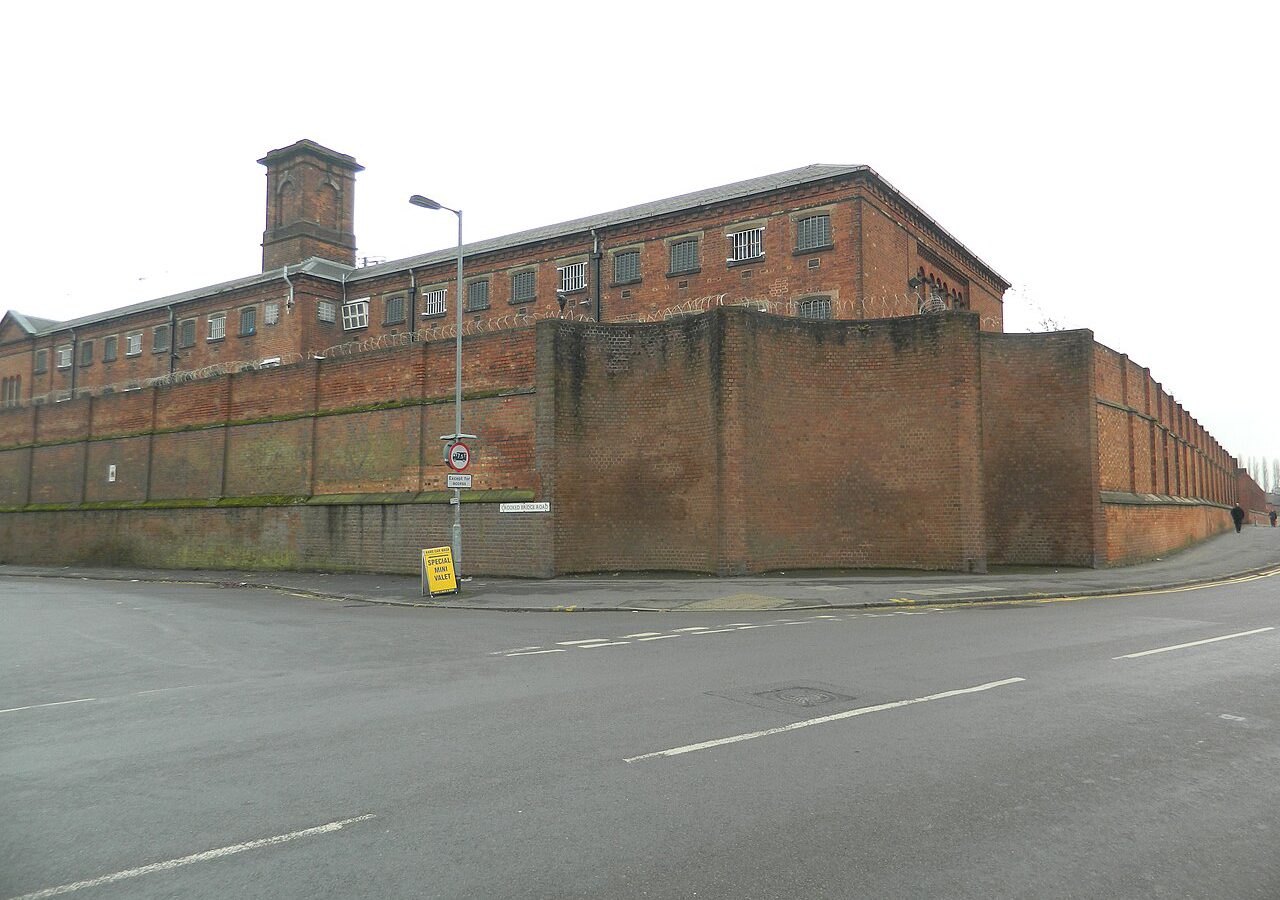
HMP Stafford received the highest grade, good, for both safety and respect, according to the prison inspectorate. The inspectorate’s report, published in May 2020, described a very good inspection with a gratifying number of examples of good practice.
Stafford is a category C training prison for men convicted of sexual offences. It held 744 prisoners when inspectors visited between 13 and 24 January 2020. About three-quarters presented a high or very high risk of harm to others, and nearly half were over 50.
HM Chief Inspector of Prisons Peter Clarke said Stafford was a clear example of a wider trend. More prosecutions of historical and other sex offences had produced an ageing prison population with specific challenges and distinct needs.
There had been 17 deaths from natural causes since the previous inspection in 2016. In the inspectorate’s survey, 35% of prisoners considered themselves to have a disability.
Grades and progress
The inspectorate judges every prison against four healthy prison tests, graded good, reasonably good, not sufficiently good or poor.
Safety remained good and purposeful activity, which covers education, work and time out of cell, remained reasonably good. Respect rose from reasonably good to good. Rehabilitation and release planning rose from not sufficiently good to reasonably good.
The Chief Inspector of Prisons called improvement in two areas creditable. He praised the obvious energy that leaders and staff put into caring for and supporting prisoners.
Of 48 recommendations from 2016, the prison had achieved 25, partially achieved four and not achieved 18. One was no longer relevant.
If the prisoner population had not been fundamentally compliant and calm, we might well have seen some very different outcomes.
Peter Clarke, HM Chief Inspector of Prisons
Safe, but no room for complacency
Most prisoners felt safe. Violence stayed consistently low, and staff rarely used force. Drug misuse was limited, and self-harm was very low. Support for prisoners in crisis was good.
Yet the Chief Inspector of Prisons warned against complacency. The prison was fundamentally safe, he said, but this seemed partly the result of the type of population rather than of specific work by the prison.
He found that staff did not apply the expected processes and safeguards as consistently as inspectors would have liked. “If the prisoner population had not been fundamentally compliant and calm, we might well have seen some very different outcomes,” he wrote.
He urged the prison to strengthen assurance and oversight of safety. It needed to understand fully what kept it safe and where it might have weaknesses. Inspectors also found that staff submitted too little intelligence to understand potential threats.
Most prisoners told inspectors that the opportunities across the prison, rather than the formal incentives scheme, encouraged them to behave well.
Health care and food
The improvement in respect owed much to health care. Inspectors found it met the population’s needs and had made good progress since 2016. They also praised the coordination of social care as good practice.
The current building dates from 1794, making it one of the oldest prisons in the country. Despite its age, it was clean and decent. A considerable number of cells still held more prisoners than they were designed for. However, toilets were recessed and cells were larger than inspectors often found in prisons of this age.
Prisoners rated the food highly, with an exceptionally high approval rating of 86% in the survey. The Chief Inspector of Prisons credited the hugely energetic and enthusiastic catering manager.
Other good practice included an information desk in the visits hall, a charity shop and special visits arranged for prisoners who would otherwise receive none. About 85% of prisoners were subject to some form of restriction on contact with children.
Activity and release planning
Ofsted found some improvements in education, skills and work, and the prison had enough activity places for its population. Attendance and punctuality at education were good. However, too few qualifications were available, and inspectors called for more at a higher level.
Given the age of the population, inspectors welcomed a good range of recreational activities. The gym, however, had been neglected. Time out of cell each day was good.
Rehabilitation and release planning had made real progress, and resettlement support had considerably improved. Some 93% of prisoners were serving sentences of four years or more.
Inspectors still had key concerns. Contact between prisoners and prison offender managers, who oversee sentence plans, lacked frequency, consistency and quality. Planning for the release of high-risk prisoners still needed to improve.
The Chief Inspector of Prisons noted that a positive report can bring a risk of complacency. He found no sign of that so far and said leaders seemed determined to keep making progress.
Inspectors have reported on Stafford again since, with a full inspection published in March 2025.
About this story
This story is based on HM Inspectorate of Prisons’ report on HMP Stafford, published on 12 May 2020, following an inspection that ended in January 2020. It covers an earlier inspection: the prison’s profile has the latest findings. All figures and judgements are the inspectorate’s. Read the full inspection report · See the prison’s profile in our directory.



