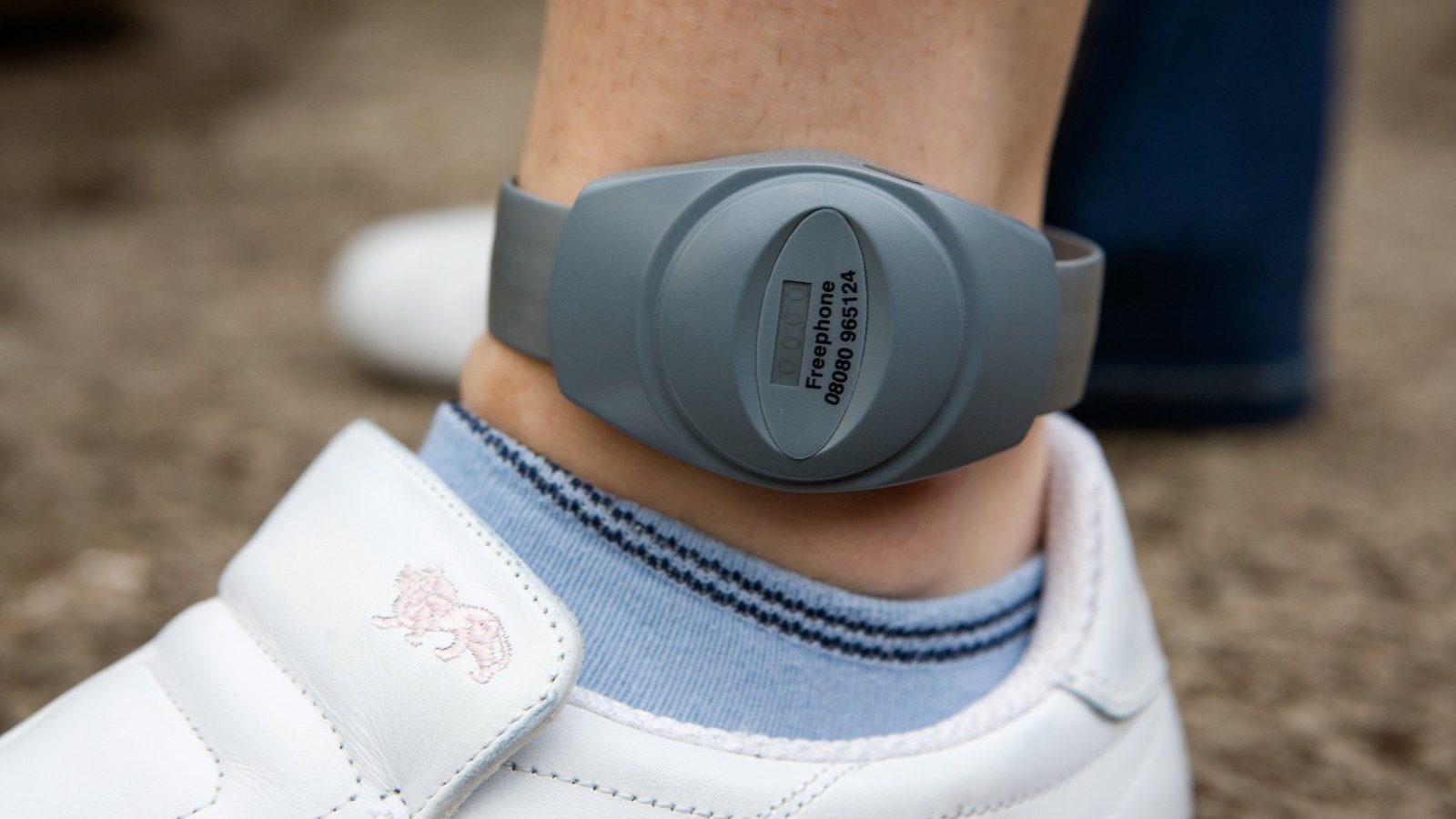
Some 15 per cent of people required to wear an electronic tag have no equipment fitted, the Government has admitted.
The admission came in July 2026, alongside a critical report from the National Audit Office (NAO), Whitehall’s public spending watchdog. The NAO said the expansion of tagging under the Sentencing Act 2026 should stop until the system improves.
Around 29,000 people currently wear tags managed by HM Prison and Probation Service (HMPPS). The NAO warned that thousands of people with a tagging requirement might not be under active monitoring.
In response, the Ministry of Justice (MoJ) published the results of an internal review. It found that, as of 31 March 2026, 5,450 people subject to an electronic monitoring order had no equipment. That figure equals 15 per cent of everyone who should be wearing a tag. As of March 2026, HMPPS was reviewing around 8,900 cases, and that work led to the admission.
Rising demand
Demand for tags will grow from September 2026, when a wave of early releases begins. Under the Sentencing Act, most prisoners on fixed-term sentences will serve 33 per cent of their time in custody. The current figure is 40 per cent. Most will have to wear a tag for the first part of their licence period in the community.
The MoJ announced plans to expand electronic monitoring significantly in September 2025. It estimated that up to 22,000 more people a year will need tags from 2027. The Government has set aside up to £175 million for the expansion over the 2026-2029 spending review period. The money covers a series of pilots, including tags that track how close domestic abuse offenders come to their victims.
The NAO said nobody knows for certain how many people go unmonitored. That uncertainty, along with wider inefficiencies, is wasting resources and increasing risks to public protection. It said this raised concerns about expanding a system that has grown quickly but does not yet work effectively.
Problems across the system
Early performance from Serco, one of the MoJ’s external contractors, was poor. From August 2024 to July 2025, people did not get their tags on time. Officials also did not learn of potential breaches promptly. The backlog of visits to fit, check or remove tags rose to a peak of 7,000 in October 2024. It then fell to fewer than 400 in November 2024.
The NAO acknowledged that HMPPS had worked with Serco to improve performance and cut backlogs. But it said better supplier performance alone would not make the wider system work as intended.
In February 2026, Serco met its 95 per cent timeliness target for tag-fitting visits. Even so, it fitted tags on only 62 per cent of the people it visited within its two attempts. Errors in tagging orders also cause delays. Under its contract, Serco need not pass officials the details of a breach until 29 to 53 hours after it happens.
Police and probation officers often lack the information or capacity to respond quickly to licence breaches. Of the breaches on record, nearly half end in ‘no further action’. During visits, the NAO saw serious and minor breaches often handled in the same way. No one shares a clear view of what a more responsive system should look like or how to measure it.
Staffing remains a serious weakness. As of March 2026, the probation service was short of an estimated 2,200 staff.
The NAO wants the MoJ and HMPPS to adopt a system-wide approach and to monitor performance more closely. It also urged them to tackle inefficiencies and prepare robust contingency plans. It said further expansion would be neither efficient nor effective unless they worked with partners to fix the weaknesses.
Gareth Davies, head of the NAO, said the MoJ and HMPPS should deal with the problems before expanding the service. “Electronic monitoring is central to managing pressures on prisons, but it is not working effectively, creating risks to public protection,” he said.
Sir Geoffrey Clifton-Brown MP chairs the Public Accounts Committee. He said the report raised serious questions about whether the system could deliver. “The Government needs to improve the service’s resilience and efficiency, otherwise expanding electronic monitoring risks wasting public money and puts public safety at risk,” he said.
The Howard League for Penal Reform’s chief executive, Andrea Coomber, said the MoJ had painted itself into a corner. In her view, it let the prison population reach record levels without enough thought for the consequences. She said ministers were now relying on a flawed programme that was about to grow even further. She added: “There is overcrowding in probation, just as there is overcrowding in prisons, and public safety depends on this shift being properly resourced and effectively managed.”