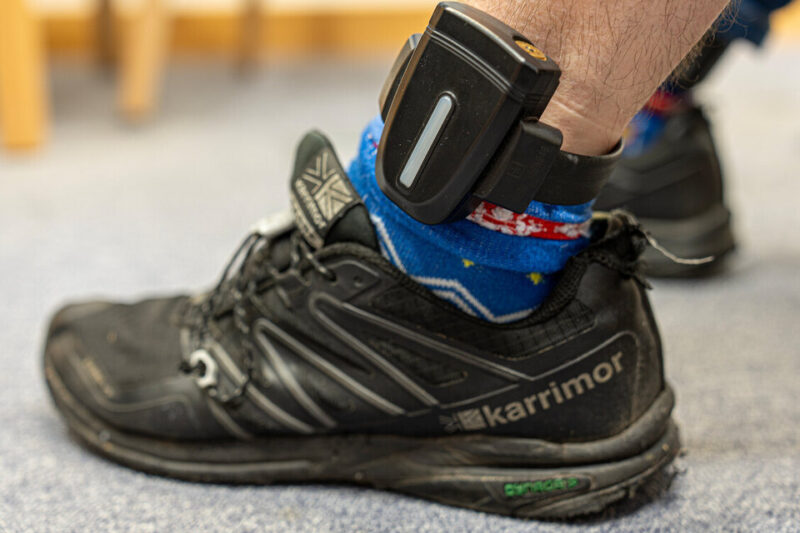
A wheelchair user has won £14,000 in compensation after a women’s prison held her a week past her release date. When she finally left, it was dark and nobody had arranged transport or support for her.
The woman had asked prison staff several times about her release date, but nothing came of her questions. She then learned that she should have gone home a week earlier. After an instruction to pack her belongings, she left the prison once darkness had fallen.
No one had organised transport or accommodation, and she had no access to a wheelchair. A worried member of staff contacted an Adult Social Care team, whose workers found her still at the prison gates.
Social workers arranged emergency accommodation, transport and a wheelchair. However, the accommodation did not meet her needs as a wheelchair user. The local authority housing department at first refused to offer anything else, saying she already had a placement.
The Prisoners’ Advice Service (PAS), a welfare charity that took on her case, released the details. It refers to her as ‘Prisoner A’. It has not said when the events took place or which prison held her. The jail is understood to be a public-sector prison in England. The Ministry of Justice said it could not verify the claims from the details provided.
According to PAS, the woman has Chronic Obstructive Pulmonary Disease (COPD) and Ehlers-Danlos Syndrome, which affect her mobility. She needed daily support from carers while in prison.
“Though Prisoner A was unlawfully detained for just seven days, she suffered considerably as a result of the traumatic nature of her release, which failed to take into account her complex, pre-existing health conditions,” a PAS spokesperson said.
The charity said that on her release she learned that her daughter had died by suicide while she was in custody. The prison had known but had not told her. Her mental health deteriorated sharply and she went into a psychiatric facility.
Her social worker then approached PAS for help in claiming compensation for the unlawful imprisonment. A PAS caseworker liaised with the sentence calculation team at HM Prison and Probation Service (HMPPS). The caseworker also worked with the local authority and the woman’s doctor. Together they showed the harm that the detention and abrupt release had caused her. The charity entered pre-litigation negotiations with HMPPS and secured £14,000 in damages.
An HMPPS spokesperson said the service could not comment on the case without more information. The spokesperson added that HMPPS took unlawful detention extremely seriously. Such incidents were rare, the spokesperson said, and people affected could pursue claims through the proper legal channels.
HMPPS said it worked with probation and specialist services to identify people’s resettlement needs before they left prison. Prisoners at risk of homelessness can receive up to 12 weeks of basic accommodation. “We have introduced stronger release checks across prisons and are modernising outdated systems to ensure greater accuracy, improve release planning, and protect the public,” the spokesperson said.
Though Prisoner A was unlawfully detained for just seven days, she suffered considerably as a result of the traumatic nature of her release, which failed to take into account her complex, pre-existing health conditions.
Prisoners’ Advice Service spokesperson