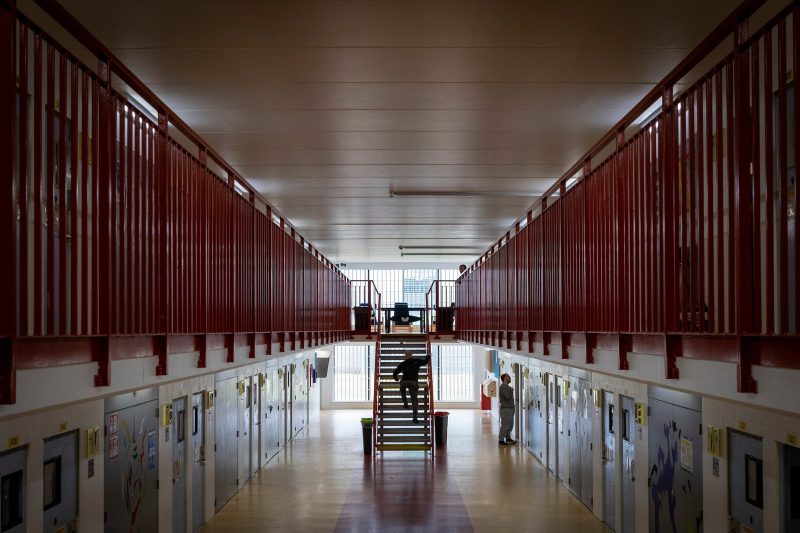
High levels of violence shaped almost every aspect of life at HMP Feltham B, according to an inspection report published in April 2023. HM Inspectorate of Prisons found that 27% of prisoners felt unsafe, up from 14% at the previous inspection. Many young men stayed away from education because they feared mixing with others.
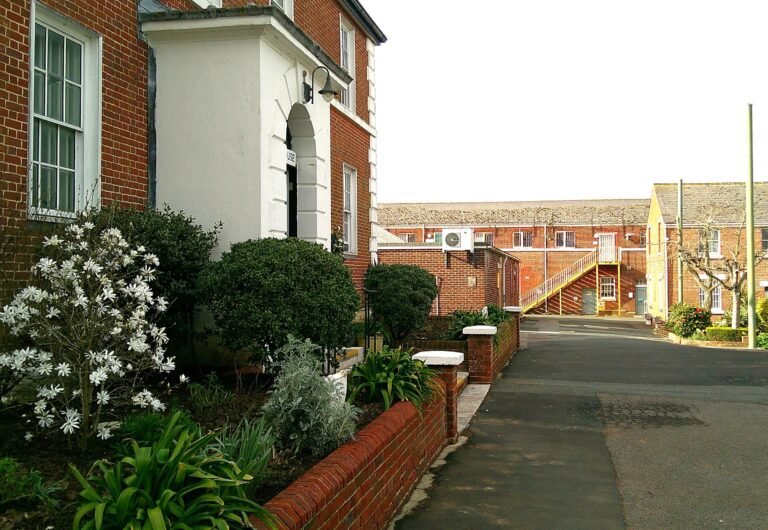
Feltham B is a category C jail in west London for young adult men aged 18 to 21. It shares a site with a neighbouring facility for under-18s. Inspectors visited between 3 and 13 January 2023. The jail held 307 prisoners at the time, after the closure of three units cut its capacity.
The report said its findings were “dominated by the high levels of violence that were affecting the provision of almost every aspect of the jail”.
The grades
The inspectorate judges prisons against four healthy prison tests. At Feltham B these covered safety, respect, purposeful activity, and rehabilitation and release planning. Purposeful activity covers education, work and time out of cell.
Inspectors rated safety not sufficiently good and respect reasonably good. They judged purposeful activity poor, the lowest of the four grades. Rehabilitation and release planning was not sufficiently good.
The previous inspection, in 2019, had been one of the most positive of recent years. Inspectors then rated safety, respect, and rehabilitation and release planning as reasonably good. They had already rated purposeful activity poor. Safety and release planning therefore both fell by one grade, while respect held steady.
In 2019 inspectors made 24 recommendations, 14 of them on areas of key concern. This time they found that the prison had achieved only one of those 14. It had not achieved the other 13, including any of the recommendations on safety.
Inspectors identified 12 key concerns this time. They named four as priorities needing immediate attention from leaders.
The findings in this inspection were dominated by the high levels of violence that were affecting the provision of almost every aspect of the jail.
HM Inspectorate of Prisons report
Violence and keep-apart lists
Violence rose dramatically when pandemic restrictions lifted in the year before the inspection, the report said. Staff had worked hard since then to bring it down. Even so, levels remained much higher than in similar prisons.
Relationships between officers and prisoners were generally good, and staff challenged poor behaviour on the wings effectively. But officers too often had to deal with planned assaults between groups of prisoners. Some of these attacks caused serious injuries.
The prison had come to rely on extensive keep-apart lists. These aim to stop prisoners in conflict with each other from mixing. HM Chief Inspector of Prisons Charlie Taylor wrote that, in the inspectorate’s experience, prisons with the most keep-aparts are often the most violent.
The way the prison handled new arrivals added to the problem. Staff placed each new prisoner in a group with others who arrived on the same day. Rivalries then grew between these groups, even among young men who had mixed safely at their previous jail. The report said the prison was “compounding gang-like behaviour and creating another layer of potential conflict”.
Delays in police investigations and charging decisions meant some of the most serious violence went unresolved for too long. This affected the chances of parole for some prisoners. Inspectors said better liaison between police and prison would help leaders reduce violence.
Use of segregation was high, conditions on the segregation unit were poor and the regime there was limited. Prisoners on ACCT (assessment, care in custody and teamwork) plans did not feel cared for by staff. Their care maps did not always reflect the concerns they raised.
Empty classrooms and a slipping regime
Fear of violence kept many young men out of education, where attendance stood at just 60%. Some prisoners chose to stay on the wing and accept a sanction rather than mix with others.
During checks, inspectors found 38% of prisoners locked in their cells. Only 25% were off the wing at activities. Teaching was good in some areas, but too few prisoners achieved qualifications.
Leaders did not allocate enough prisoners to the activity places available. The prison also lacked enough accredited courses in industries that could help men find jobs on release. Inspectors said leaders were right to expect prisoners to mix in classrooms and workshops.
Leaders did not know how far the regime had slipped. Exercise, association and showers varied from wing to wing. Exercise periods often ran short. Association took place on just two weekdays, less often than leaders expected.
Record keeping also fell short. Minutes of strategic meetings, including senior management meetings, were poor or missing. That made it impossible to track actions and decisions.
Release planning, health care and leadership
Staff shortages in London probation services and in the prison itself held back preparation for release. The report noted a backlog of OASys assessments and delays in some home detention curfew releases. Accredited programmes were limited, and risk management meetings did not take place early enough.
Release planning was inconsistent, and too many prisoners lacked timely support before they left. Inspectors said national leaders had not ensured enough staff for community probation in London.
Prisoners still received medication from a trolley on each wing, with no appropriate place to give it out. Inspectors said this fell short of best practice on patient safety, confidentiality and decency. Leaders had not looked into data that suggested differences in treatment for prisoners with protected characteristics.
There were positives. The governor, in post for eight months, was visible around the jail and had set clear priorities on violence, purposeful activity and staff capability. Inspectors saw recent signs of falling violence. Living conditions were good, with clean communal areas and cells that were generally well equipped and free of graffiti.
Inspectors recorded two examples of notable positive practice. Night staff introduced themselves to new arrivals and encouraged them to raise concerns. A forum piloted on one wing helped prisoners serving longer fixed-term sentences to understand them.
Charlie Taylor said staff had much to be proud of. He added that reducing violence must be the key priority, leading to improvements elsewhere, particularly in getting prisoners into education and training.
Since the inspection
Inspectors have reported on Feltham B again since. An independent review of progress followed in February 2024, and a full inspection report in December 2025.
About this story
This story is based on HM Inspectorate of Prisons’ report on HMP Feltham B, published on 25 April 2023, following an inspection that ended in January 2023. It covers an earlier inspection: the prison’s profile has the latest findings. All figures and judgements are the inspectorate’s. Read the full inspection report · See the prison’s profile in our directory.