HMP Send was coping remarkably well after a year of lockdown restrictions, according to the prison inspectorate. The inspectorate’s report, published in August 2021, found women generally well cared for and supported by staff.
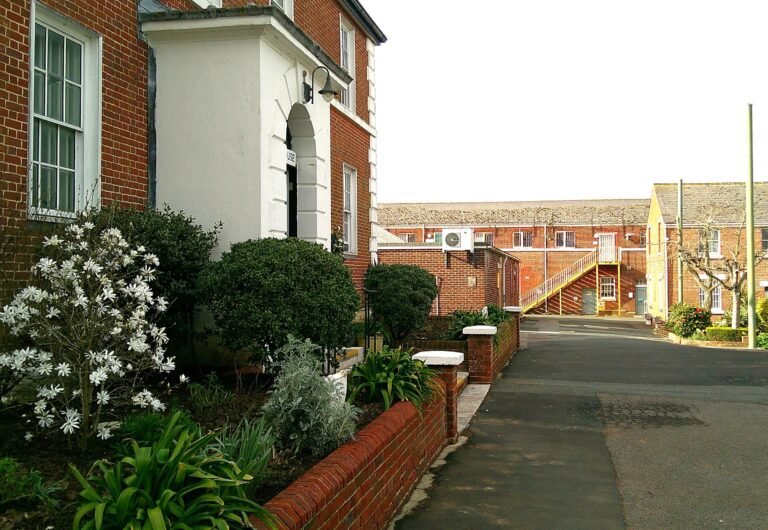
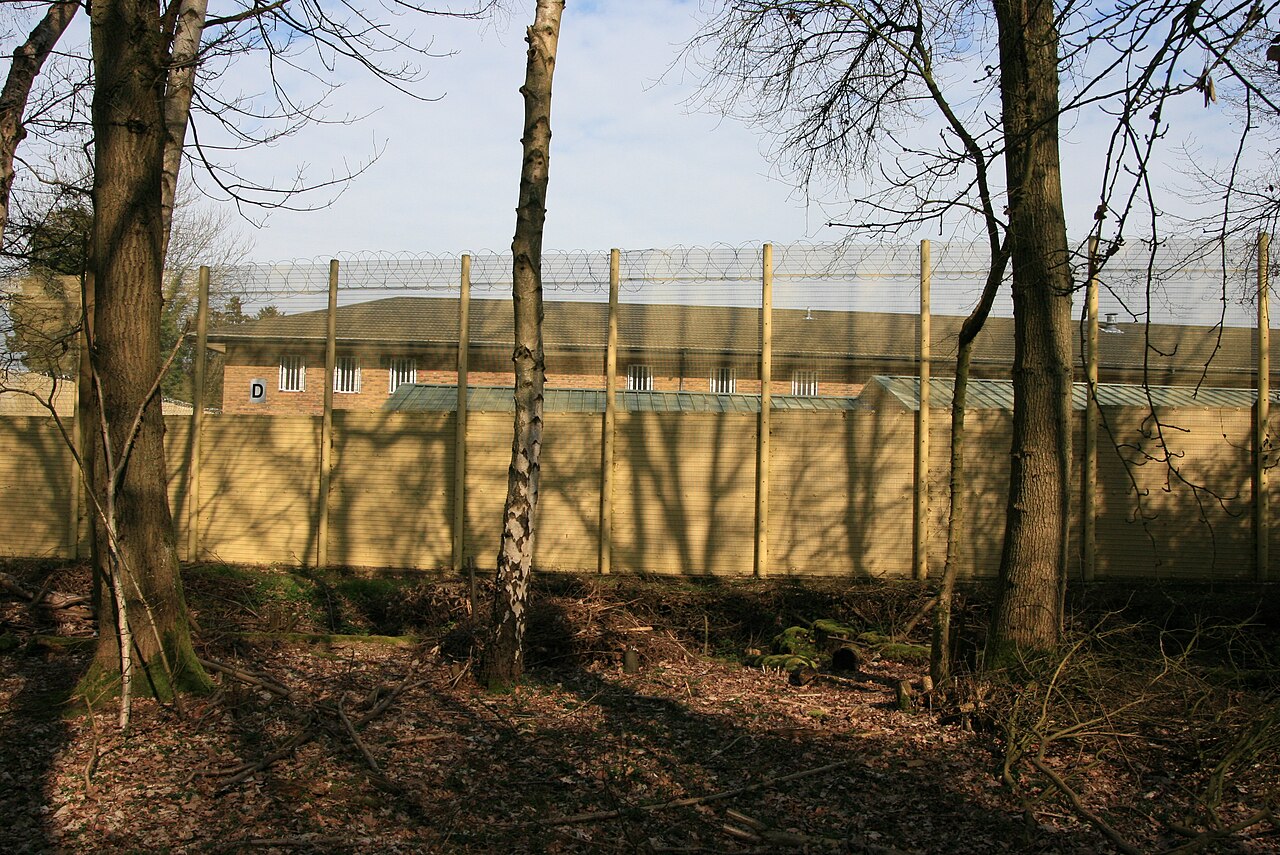
Send is a closed training prison for women in Surrey, with places for up to 202. Many of the women present a high risk of harm to others. It held 164 women when inspectors visited between 10 and 21 May 2021.
The prison had faced a hard year. A serious outbreak of COVID-19 in January 2021 led to the death of a staff member. Fire safety concerns then forced the closure of two wings at short notice.
HM Chief Inspector of Prisons Charlie Taylor wrote that a strong, deep culture of respect and support had carried the prison through. He credited a visible and accessible leadership team and dedicated staff.
Grades and relationships
The inspectorate judges every prison against four healthy prison tests, graded good, reasonably good, not sufficiently good or poor.
Send kept its good grades for safety and respect, the same as in 2018. Purposeful activity, which covers education, work and time out of cell, remained not sufficiently good. Rehabilitation and release planning slipped from good to reasonably good.
Inspectors saw excellent relationships between women and staff throughout the prison, with many friendly conversations on first-name terms. More than two-thirds of women in the survey said a member of staff had checked on them in the past week.
Staff knew the women well and responded quickly when problems arose. Regular meetings made sure vulnerable women, including those who were distressed or self-harming, received suitable support. Women also said they felt supported by their peers, including through the Listener scheme of trained peer supporters.
Some women who had earned category D status chose to stay at Send rather than move to open conditions. The Chief Inspector of Prisons suggested the prison’s culture might explain this.
One woman movingly told me how she could feel her son beginning to drift away from her.
Charlie Taylor, HM Chief Inspector of Prisons
Families kept apart
Restrictions on social visits had hit women hard, particularly mothers of young children. A ban on hugging during visits proved too painful for both mother and child. Many women had chosen not to see their families at all.
As a result, the prison had held fewer visits in the past year than it usually did in a month. In-cell telephones, extra phone credit and video calls had helped maintain contact, but could not replace physical contact.
“One woman movingly told me how she could feel her son beginning to drift away from her,” the Chief Inspector of Prisons wrote.
The prison had recently appointed a social worker to take forward work on family contact. Release on temporary licence, which lets women spend time in the community, remained suspended, including for family ties.
Safety and care
The prison remained a safe place to live. In the survey, 19% of women said they currently felt unsafe. Violence had not risen over the previous couple of years, and serious incidents were very rare. Women did report victimisation by other prisoners, and inspectors said the prison needed to explore the causes.
Self-harm was high and had increased since COVID-19 restrictions began, with a small number of women harming themselves repeatedly. Staff noticed that self-harm tended to rise when the community eased restrictions and the prison did not. Support for women at risk of suicide or self-harm was good.
Use of force had increased, mostly to prevent self-harm, and its governance had improved. Despite good work against drug supply, 36% of women said illegal drugs were easy to get.
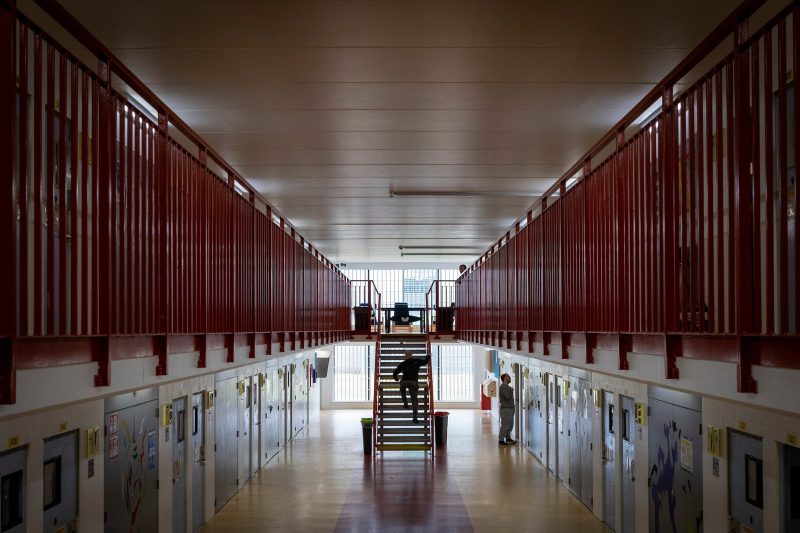
Every woman had her own cell, and most had in-cell showers and toilets. Communal areas were very clean. Health care was very good, and faith provision was excellent. Inspectors did find that staff did not always call ambulances immediately in emergencies.
The closure of the two enhanced wings meant some women now lived in more restricted conditions, with cell doors locked at night. Inspectors said women’s time outside was unnecessarily limited. Parts of the grounds were unkempt.
Education and progression
Women spent at least three hours a day out of their cells, more than inspectors had seen in most of the men’s estate. Even so, lost time to socialise and to access peer support, education and training had harmed them.
Ofsted found that leaders had not built a culture that promoted education or challenged women to achieve. Few women chose to learn, and staff did not identify those with the greatest need. Women received no advice and guidance on education, skills and work.
Send holds the only democratic therapeutic community for women in the country, with 24 places, and a specialist unit for women with psychological needs, with 35. Restrictions had limited both. Women in the therapeutic community still said officers and therapists supported them well.
The governor had a very positive vision and clear priorities, including restoring education, temporary release, visits and therapeutic work. Inspectors agreed with her that sentence progression, especially for women on longer sentences, was not as good as it should be. The outstanding chaplaincy had set up a mentoring scheme for women nearing release.
Inspectors have reported on Send again since, with a full inspection published in July 2025.
About this story
This story is based on HM Inspectorate of Prisons’ report on HMP Send, published on 26 August 2021, following an inspection that ended in May 2021. It covers an earlier inspection: the prison’s profile has the latest findings. All figures and judgements are the inspectorate’s. Read the full inspection report · See the prison’s profile in our directory.