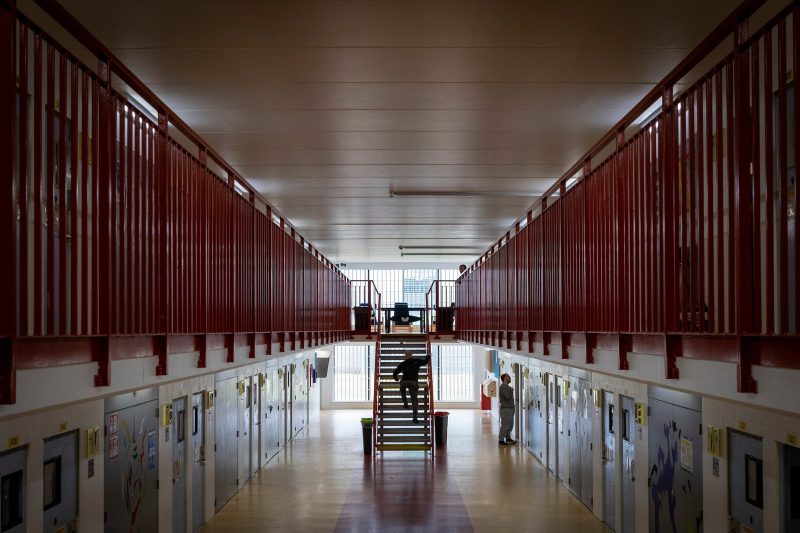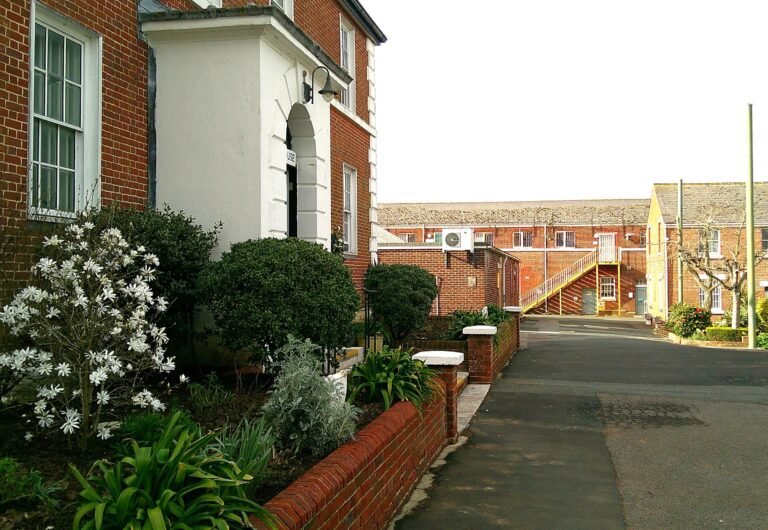
Official figures obtained by the BBC show that the rate of violence at HMP Maghaberry, Northern Ireland’s largest prison, has more than doubled in four years.
The prison recorded 149 violent incidents last year. In 2021 the total stood at 69, meaning a rise of 116 per cent. The BBC obtained the figures from the authorities through a Freedom of Information request.
The data came from the Northern Ireland Prison Service. It suggests that assaults have grown faster than the number of people held at Maghaberry.
Between April 2022 and April 2025, the prison’s population rose by 31 per cent, from 1,000 to 1,307. Recorded assaults climbed by 71 per cent over the same three years.
Assaults by prisoners on staff and by prisoners on other prisoners both went up at Maghaberry. The bigger rise came in attacks between prisoners.
Northern Ireland’s two other jails also saw increases over the same period. Assaults rose by 32 per cent at HMP Magilligan and by 9 per cent at HMP Hydebank Wood.
Redundant cells back in use
The increase comes as the prisoner population in Northern Ireland rises sharply. Maghaberry has had to bring cells that had fallen out of use back into service.
Ivor Dunne chairs the Prison Officers’ Association Northern Ireland and has worked as a prison officer for 43 years. He said the growing number of prisoners was affecting staff as well as those in custody.
Maghaberry serves as Northern Ireland’s remand prison. Mr Dunne told the BBC that the remand population had gone “through the roof”. He believed this had added to the rise in assaults.
He said remand could be “very, very unsettling”, because people might be in prison one day and released the next. He said prisoners then took out their frustration on his members or on other prisoners. He added that the courts were “completely swamped”.
Maghaberry is a high-security prison for men. Its last full inspection before these figures appeared took place in June 2023. Inspectors rated safety as not sufficiently good, respect as reasonably good and purposeful activity as poor. They judged rehabilitation and release planning as not sufficiently good.