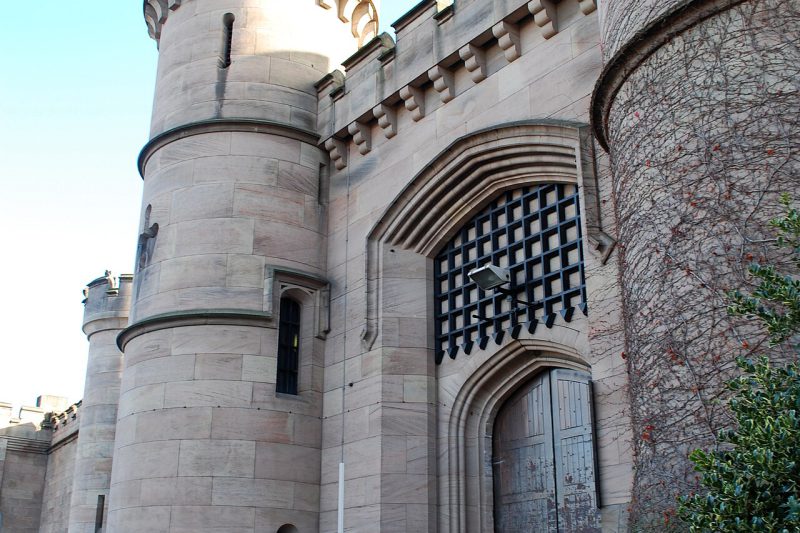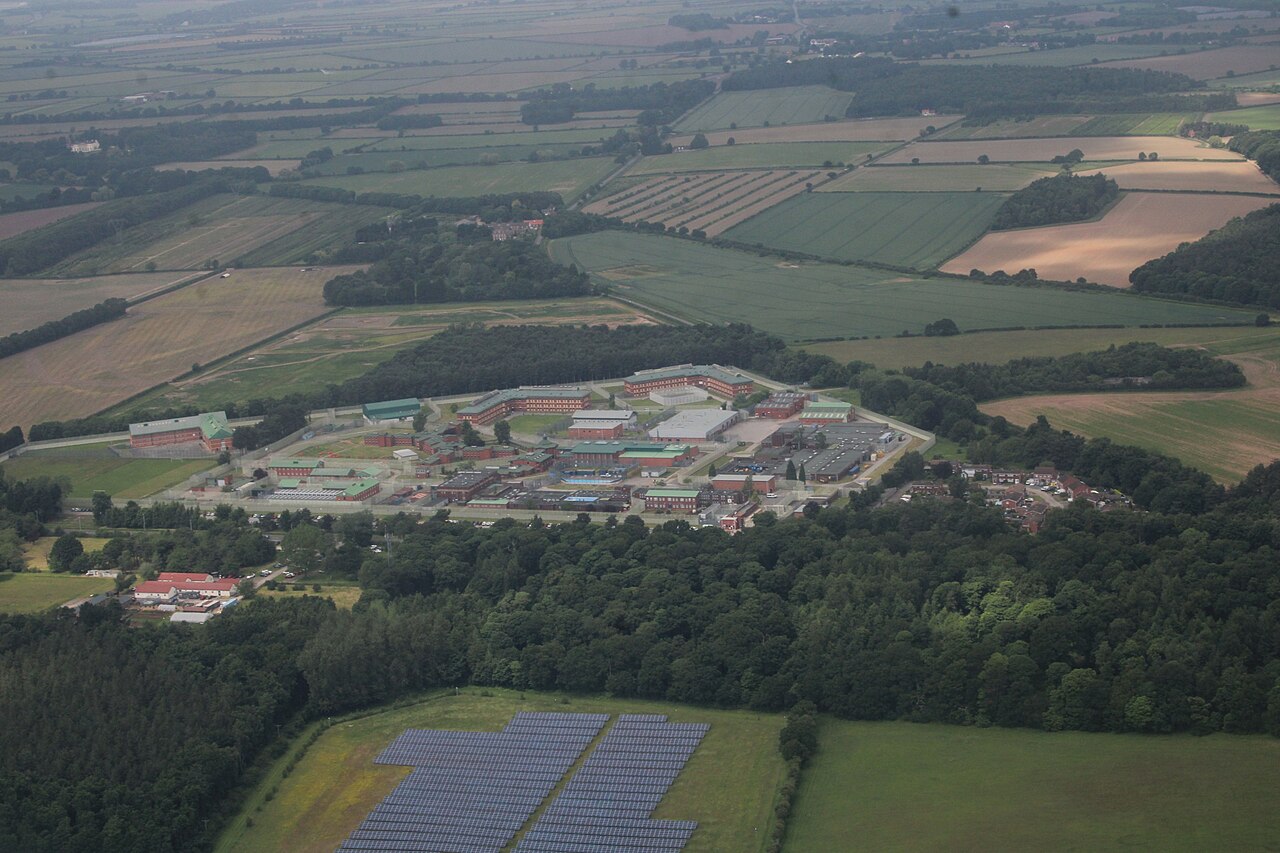
HMP Ranby had become a much safer jail but was not operating as the training prison it was meant to be, according to the prison inspectorate. The inspectorate’s report, published in July 2022, found many prisoners stuck in their cells or on their spurs with little or nothing to do.
Ranby is a category C training and resettlement prison for adult men in Nottinghamshire. It held 948 prisoners when inspectors visited between 21 March and 8 April 2022.
HM Chief Inspector of Prisons Charlie Taylor said leaders urgently needed to get prisoners into workshops and classrooms. “Just keeping prisoners safe is not good enough,” he wrote. He said the prison must break out of its COVID-19 inertia and offer meaningful, well-planned and structured activities.
Mixed grades
The inspectorate judges every prison against four healthy prison tests, graded good, reasonably good, not sufficiently good or poor.
Ranby received the highest grade, good, for safety, up from not sufficiently good in 2018. Respect stayed reasonably good. Inspectors rated purposeful activity, which covers education, work and time out of cell, as poor. They gave rehabilitation and release planning the same grade.
Overall, outcomes had improved in one area, stayed the same in one and declined in two since 2018. The prison had achieved both of the 2018 key-concern recommendations on safety. It had not achieved the single ones on respect and on rehabilitation and release planning.
Just keeping prisoners safe is not good enough, and if it is to fulfil its essential function in giving them the skills, knowledge, confidence and work ethic to support their return to the community, leaders urgently need to get them into the workshops and classrooms which should be a thriving part of this jail.
Charlie Taylor, HM Chief Inspector of Prisons
A turnaround on safety
Inspectors found Ranby much safer than in 2016 and 2018. Leaders had made concerted efforts and used better technology. The flow of drugs had driven much of the violence. Better perimeter security, dogs and body scanners had stemmed it.
Leaders had used the COVID-19 lockdowns to reset and break the cycle of violence. Assaults on prisoners had fallen by almost half, and assaults on staff by 39%. Prisoners told inspectors they felt much safer than before. Longer-serving staff said they no longer faced anything like the past levels of threat.
Oversight of use of force was good, and a weekly panel reviewed every incident. Staff had not used batons or PAVA, an incapacitant spray, in the past year. Adjudications, the prison’s internal disciplinary hearings, had halved since 2018.
Three prisoners had taken their own lives since the last inspection. Self-harm had run at about one incident a day for two years. That level was considerably lower than in previous years and below the average for similar prisons. Inspectors praised the focus on case management for men at risk of suicide or self-harm.
Conditions were also improving. Staff had refurbished some of the more run-down wings, and regular checks kept cells clean and largely free from graffiti. Every prisoner now had a laptop for domestic tasks such as applications. In the inspectorate’s survey, 68% said most staff treated them with respect.
Empty workshops and long lock-ups
Purposeful activity told a very different story. The prison had reached stage one of the national COVID-19 recovery framework more than three weeks before the inspection. That meant most restrictions should have ended and training should have resumed.
Inspectors sympathised with a gradual return. But they found leaders far too cautious, with no dates set for opening up the regime.
The very well-resourced workshops stood almost empty. Only a handful of prisoners attended classes, and usually only the orderlies sat in the library. The education provider gave no support to prisoners who could not read. More than 52% of prisoners had no job.
The prison had introduced structured on-wing activity, but neither staff nor prisoners understood its purpose. Many activities, such as outdoor exercise or table tennis, would normally form part of daily association. A substance misuse workshop and an offender management surgery appeared on the timetable, but nobody told the staff involved, and nobody turned up.
Unemployed prisoners who did not sign up faced an extra half hour behind their doors. The report called this “a shocking 23 hours a day behind their doors”.
Release planning fell short
More than 65% of prisoners came to Ranby for resettlement towards the end of their sentences. Leaders had not planned for this change and did not provide adequate services for these men.
The offender management unit, which oversees sentence plans and release, was woefully under-resourced for the population. Two community offender managers were working very hard to clear a backlog of cases.
The Chief Inspector of Prisons said HM Prison and Probation Service had not done enough to keep Ranby in line with its role as a training prison. He noted that the most impressive work by prisoners was cooking and serving in the staff canteen. The challenge for leaders, he wrote, was to make the rest of the prison as productive.
Inspectors have reported on Ranby again since. An independent review of progress followed in February 2023, a full inspection in May 2025 and a further independent review of progress in November 2025.
About this story
This story is based on HM Inspectorate of Prisons’ report on HMP Ranby, published on 12 July 2022, following an inspection that ended in April 2022. It covers an earlier inspection: the prison’s profile has the latest findings. All figures and judgements are the inspectorate’s. Read the full inspection report · See the prison’s profile in our directory.