
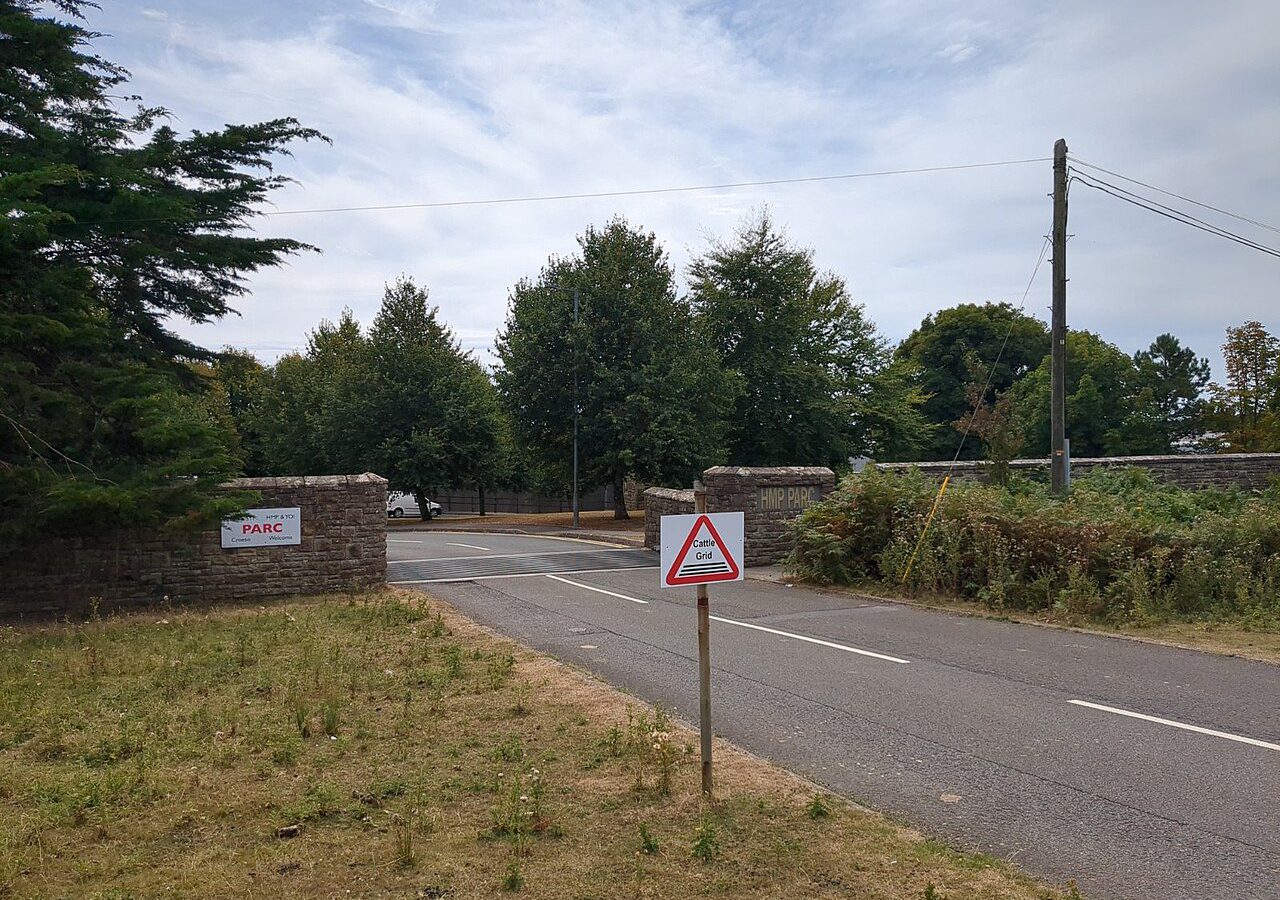
The children’s unit at Parc, near Bridgend in South Wales, was “easily the best performing YOI in England and Wales”, according to the prison inspectorate. The inspectorate’s report, published in March 2020, described a very positive inspection.
HMYOI Parc is a young offender institution (YOI) for boys aged 15 to 18. It sits on the same site as the large category B men’s training prison of the same name, but operates separately from it. G4S ran the establishment as a private prison at the time.
Inspectors visited between 11 and 22 November 2019. The unit held 39 children at the time and had an operational capacity of 60. YOIs face inspection more often than most prisons, and the inspectorate had last visited Parc in October 2018.
HM Chief Inspector of Prisons Peter Clarke wrote that Parc had kept its high standards in the challenging setting of children’s detention. He credited the leadership and the teamwork and hard work of staff for those results.
How Parc was graded
The inspectorate judges every prison against four healthy prison tests. Each test receives one of four grades: good, reasonably good, not sufficiently good or poor.
Parc received the grade of good, the highest available, for care and for purposeful activity. Purposeful activity covers education, work and time out of cell. Care covers whether children’s needs are met and whether staff treat them with respect.
Inspectors graded safety and resettlement as reasonably good. Resettlement means preparing children for release and helping to reduce the chance that they reoffend.
All four grades matched those from the 2018 inspection. The Chief Inspector of Prisons stressed that this did not mean the unit was failing to progress. He also said that it was not ‘resting on its laurels’.
He saw clear potential for the safety grade to rise to good in future. The right processes existed, he said, but levels of violence remained too high for now.
Overall, Parc is easily the best performing YOI in England and Wales.
HM Inspectorate of Prisons report
Safe arrival and strong relationships
Inspectors gave particular attention to how the unit treated new arrivals. Coming into custody can unsettle and disturb a child, especially on a first visit. At Parc, staff received information about new arrivals in advance, which let them prepare.
Where possible, a child’s allocated key worker met him on arrival. That gave some continuity and consistency on the journey into custody. The overwhelming majority of children told inspectors in a survey that they felt safe on their first night.
Reception processes moved swiftly, and induction had improved since the previous inspection. Child protection arrangements were well embedded. Care for children at risk of self-harm was good, though staff checks on them followed too predictable a pattern.
Violence had fallen but stayed high. Staff used challenge, support and intervention plans effectively to tackle bullying and violence and to support victims. Inspectors judged the incentives scheme motivational.
Use of force remained high, but governance of it was good. Staff used separation, or removing a child from others, only for very short periods, and oversight of it had improved.
The report found that positive relationships between staff and children underpinned much of the unit’s progress. Inspectors saw many good examples of positive interactions, particularly in education sessions.
Communal meals and time out of cell
The Chief Inspector of Prisons welcomed the fact that children took all their meals together. He contrasted this with some other comparable establishments, where communal dining hardly ever happens.
The food itself drew criticism. “It was a pity that the food itself was very poorly regarded by the children, and in our view was simply not good enough,” the report said.
The daily regime also stood out. During roll checks in the school day, inspectors found every child out of his cell. Most children spent more than 10 hours out of cell a day.
Estyn, the Welsh education inspectorate, reported extremely positive findings on the quality and delivery of education. Together with the full classrooms, this meant purposeful activity kept its good grade.
The report listed examples of good practice. These included support for both victims and perpetrators of violence, and help for children to stay in touch with their families. Inspectors also praised the dedicated nurses on the children’s unit and the help children received to work towards their sentence targets.
Concerns about resettlement and fairness
Resettlement posed particular challenges. Parc drew children from a very wide catchment area, and fewer than half came from Wales. The fact page recorded that 30% of children were Welsh and 62% lived more than 50 miles from home.
Inspectors said the unit needed to refocus the strategic direction and management of resettlement work. This became one of four key concerns. They noted, however, that Parc was pressing community partners to meet children’s needs on release.
Some children still faced delays in making phone calls during their first few days. Black and minority ethnic children viewed the fairness of the incentives and earned privileges scheme less positively, and inspectors said leaders needed to understand why. They also found that child and adolescent mental health services were not delivering treatment in line with national standards.
Of the 18 recommendations from 2018, the unit had achieved eight, partially achieved one and not achieved nine.
The Chief Inspector of Prisons said these concerns should not overshadow the good outcomes for children. He acknowledged that Parc’s smaller size gave it an advantage over some comparable units. Others should not use that as an excuse, he wrote, and those shaping children’s custody should pay close attention to the report.
Inspectors have reported on Parc several times since. These include a scrutiny visit published in June 2021 and full inspections published in July 2022, January 2024 and June 2026. Independent reviews of progress followed in March 2023 and January 2025.
About this story
This story is based on HM Inspectorate of Prisons’ report on HMYOI Parc, published on 3 March 2020, following an inspection that ended in November 2019. It covers an earlier inspection: the prison’s profile has the latest findings. All figures and judgements are the inspectorate’s. Read the full inspection report · See the prison’s profile in our directory.



