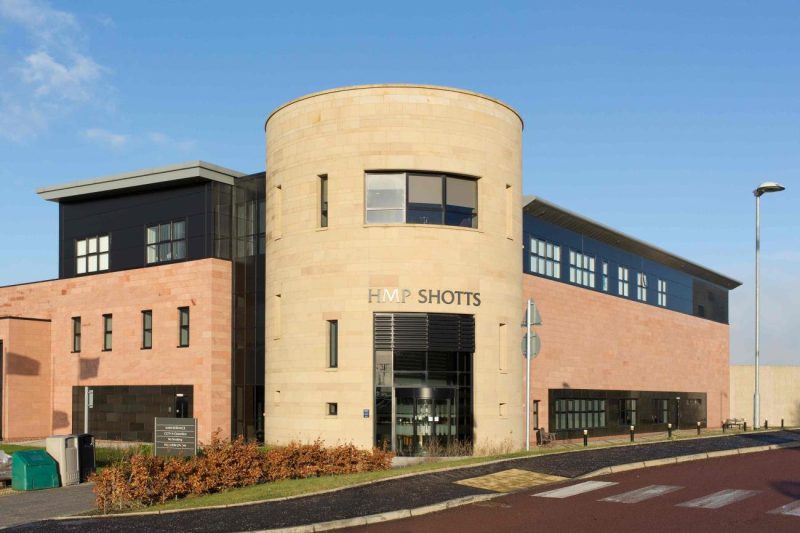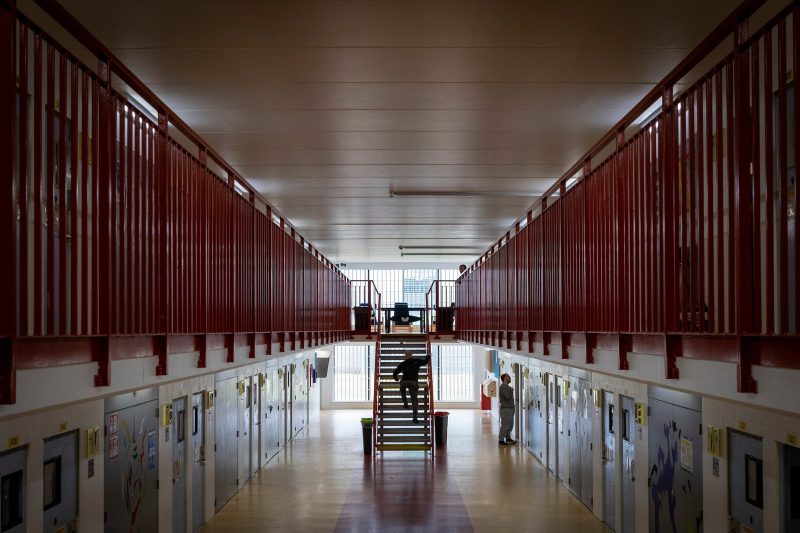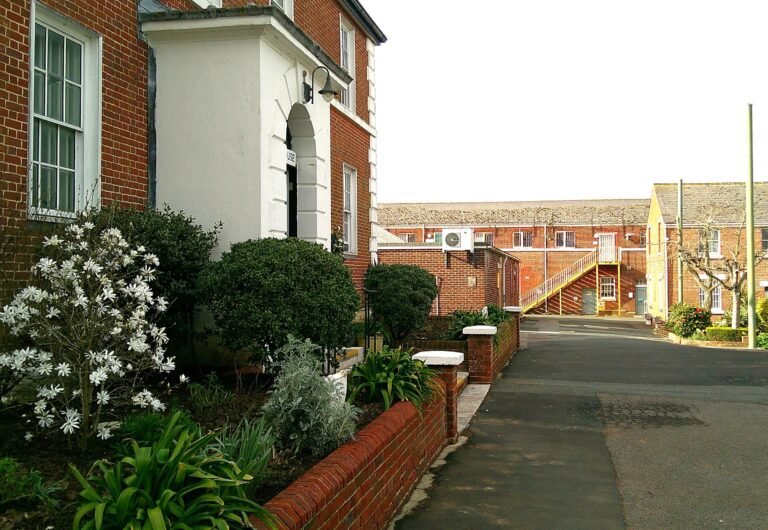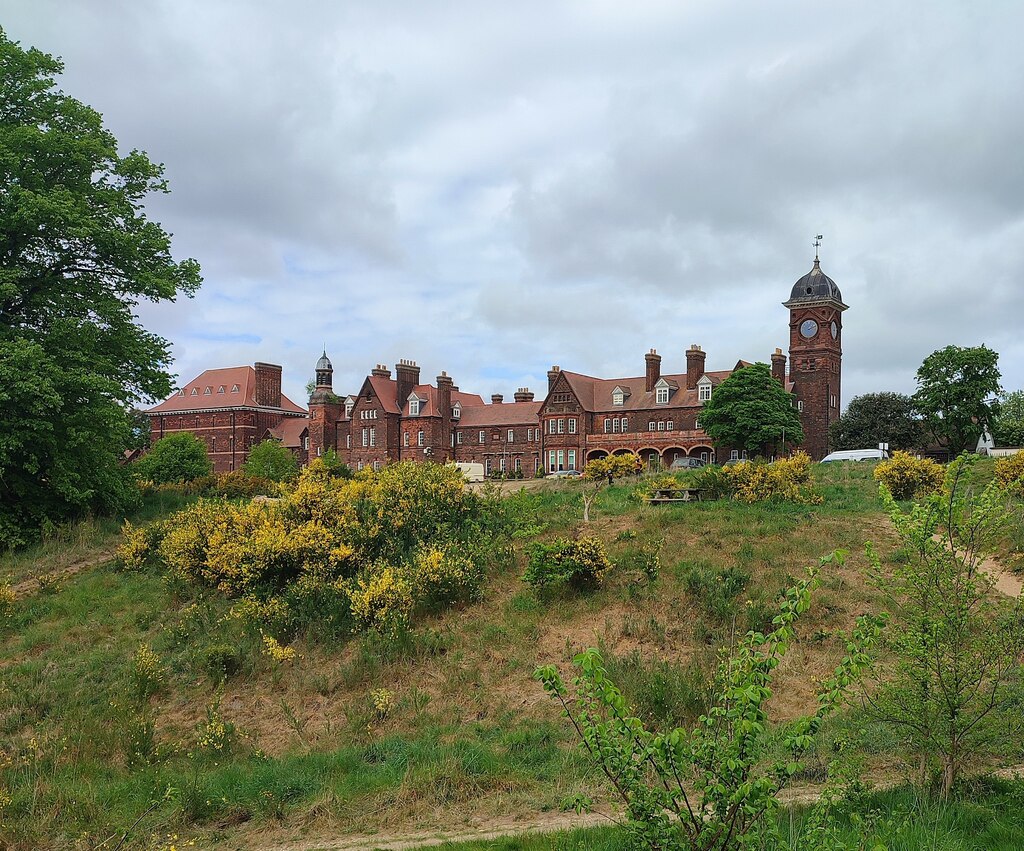
HMP & YOI Norwich had deteriorated since its previous inspection and fell short on all four of the inspectorate’s main tests. The inspectorate’s report, published in February 2020, found that outcomes were not sufficiently good for safety, respect, purposeful activity, and rehabilitation and release planning.
Peter Clarke, then HM Chief Inspector of Prisons, put it plainly: “Norwich was now less safe”. He accepted that managers were right to point to some improvement over the previous year. However, he said much of it was recent, inconsistent and poorly co-ordinated.
Inspectors visited between 21 October and 1 November 2019. Norwich was a complex local prison in central Norwich serving East Anglia, spread across three adjacent sites. These were a local reception prison, a category C training unit and Britannia House, an open resettlement unit for category D men. It held 695 men against an operational capacity of 773.
A decline since 2016
Inspectors assess every prison against four healthy prison tests. They grade each one as good, reasonably good, not sufficiently good or poor.
At the previous inspection in 2016, Norwich achieved reasonably good outcomes on all four tests. In 2019, it scored not sufficiently good on every one. Safety covers keeping prisoners safe from harm. Respect covers how staff treat prisoners and their living conditions. Purposeful activity covers education, work and time out of cell. Rehabilitation and release planning looks at reducing reoffending and preparing men for release.
Managers told inspectors that the prison had faced considerable difficulties and deteriorated significantly since 2016. The Chief Inspector of Prisons said the grades to an extent confirmed this account.
Norwich was now less safe. Most, but not all, new prisoners received reasonable treatment when they arrived but arrangements were inconsistent and poorly coordinated.
Peter Clarke, HM Chief Inspector of Prisons
Violence, deaths and self-harm
Recorded violence had increased and was relatively high, although serious incidents were comparably fewer. About a fifth of prisoners in the survey said they felt unsafe, in line with similar prisons.
The prison was using challenge, support and intervention plans, which set targets for violent prisoners, to manage 24 perpetrators. However, few staff knew about them. Inspectors said the process needed better co-ordination and greater rigour.
Use of force had also increased. New procedures to improve supervision and accountability were too recent to judge. Fewer prisoners were in segregation than in 2016.
Six men had taken their own lives since the previous inspection, and self-harm had risen in recent months. The prison had acted on the key recommendations from investigations into the deaths. Inspectors praised individual reviews of the activities and time out of cell of men in crisis. They still found many weaknesses in case management, although prisoners said they felt well cared for.
Security worked reasonably well, and the rate of positive mandatory drug tests was relatively low. Arrangements for new arrivals, however, were inconsistent and poorly co-ordinated.
An inexperienced staff group
The prison had staffing shortfalls, and many staff in post were very inexperienced. At the time, 60% of staff were within their first two years of service.
Three-quarters of prisoners surveyed said staff respected them, and inspectors saw much positive engagement. Even so, staff inexperience caused considerable frustration among prisoners, and much low-level poor behaviour went unchallenged.
Most wings were mostly clean, but cell quality varied and basic maintenance had fallen behind. Food serveries and trolleys were dirty. Promotion of equality and diversity had deteriorated markedly and needed immediate attention. Health care was satisfactory, with good social and palliative care, but dentistry was notably poor. In the survey, 46% of prisoners on the closed site declared a disability.
Activity, resettlement and what came next
The prison had enough activity to engage about 80% of men, yet inspectors found between 30 and 35% locked up during the working day. Workshops met demanding commercial standards, and the category C unit offered good vocational training. Teaching was inconsistent, however, and punctuality and attendance were poor. Ofsted rated the provision as requires improvement.
The prison lacked an overall analysis of prisoners’ needs or a plan for rehabilitation. A backlog of offender assessments was growing, and there were no structured offending behaviour courses. Only 38% of prisoners left for sustainable accommodation.
The Chief Inspector of Prisons said “It was also hard to discern a coherent and considered plan for the prison”. He added that the inexperienced staff group needed more support.
Inspectors have reported on HMP & YOI Norwich again since, with full inspections published in December 2022 and April 2026, and an independent review of progress published in July 2023.
About this story
This story is based on HM Inspectorate of Prisons’ report on HMP & YOI Norwich, published on 27 February 2020, following an inspection that ended in November 2019. It covers an earlier inspection: the prison’s profile has the latest findings. All figures and judgements are the inspectorate’s. Read the full inspection report · See the prison’s profile in our directory.