
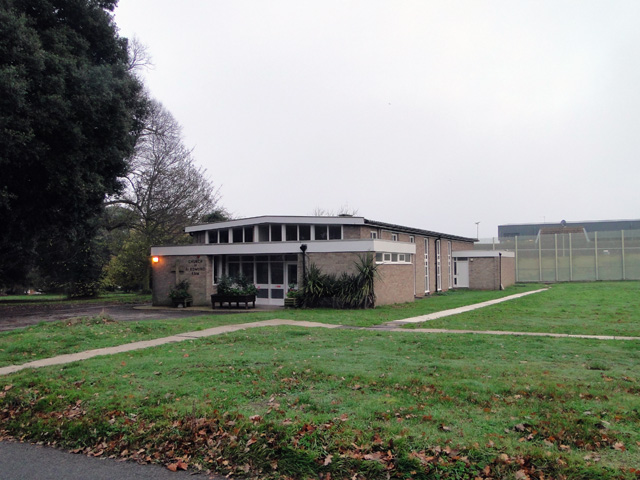
HMP & YOI Hollesley Bay had become one of the most impressive prisons in the country, according to the prison inspectorate’s report on the Suffolk jail, published in July 2024.
Inspectors visited the category D open prison in April 2024. Men there can earn chances to work off site. Hollesley Bay held 627 adult men at the time, against an operational capacity of 655. All of them were coming to the end of their sentences.
Charlie Taylor, HM Chief Inspector of Prisons, credited a thoughtful and innovative governor and his strong team. He described a safe and decent establishment.
He wrote that the jail “contained some of the better-run workshops I have seen in my time as Chief Inspector”.
Good in three of four tests
HM Inspectorate of Prisons judges prisons against four healthy prison tests. These are safety, respect, purposeful activity and preparation for release. Purposeful activity covers education, work and time out of cell.
Hollesley Bay scored good, the top grade, for safety, respect and preparation for release. It scored reasonably good for purposeful activity.
The previous full inspection took place in 2018 and the inspectorate reported it in March 2019. At that visit, safety and respect were good and purposeful activity was reasonably good. Rehabilitation and release planning was then reasonably good, while preparation for release is now good.
Inspectors identified seven key concerns this time. None counted as a priority needing immediate attention. They also recorded 10 examples of notable positive practice that other prisons may learn from.
The jail contained some of the better-run workshops I have seen in my time as Chief Inspector, where very effective staff supported prisoners to develop skills such as bricklaying, carpentry and horticulture.
Charlie Taylor, HM Chief Inspector of Prisons
A staged route to release
The Chief Inspector of Prisons placed the sequencing of each prisoner’s journey at the centre of the prison’s success. At induction, staff showed new arrivals how to earn trust. Men could then work towards better accommodation and jobs outside the prison.
A four-stage plan linked good behaviour and activity to better living conditions and temporary release. Posters, booklets and signs promoted the plan across the site. A senior leader met every prisoner soon after arrival to explain the opportunities on offer.
Even on the older units, men lived in clean and well-ordered conditions, mostly in single rooms. Those who had proved themselves trustworthy moved into new pod accommodation. The Chief Inspector of Prisons called it some of the best in the prison estate. Men there could shop for their own food and cook it.
Leaders managed the risks of an open prison well. Public protection failings that inspectors criticised at the last inspection had been resolved. Staff had managed a high number of releases on temporary licence successfully, and absconds had fallen.
Leaders had also filled every prison officer post. Staff retention was now good, and new staff received mentoring in their first year.
Workshops, jobs and gaps in the regime
Very effective staff in the workshops helped men learn skills such as bricklaying, carpentry and horticulture. Prisoners could learn to drive a forklift truck, and would soon be able to pass an HGV licence.
Good links with employers meant 20% of prisoners went out to work every day. An employment advisory board helped to find jobs for release. The busy employment hub gave excellent support, and very few men left without somewhere to live.
Most education was of a good standard, and attendance was high. However, leaders did not do enough to promote suitable English and maths qualifications.
Working hours did not always mirror the community. Men returned to their units at lunchtime, and workshops closed on Fridays. Many had too little to do in the evenings and at weekends because enrichment activities were very limited.
The Chief Inspector of Prisons also criticised a rule that stopped prisoners playing ball games without supervision on health and safety grounds. He called it excessively cautious.
Men relied on an ageing fleet of minibuses to reach work, and these were costly to keep running. The prison service had not provided money to replace them.
Food, health care and probation delays
Most staff were friendly and supportive. Some prisoners, however, said a minority of staff could be rude and dismissive.
Prisoners complained about the food. In the inspectorate’s survey, less than half said they always got enough to eat at mealtimes.
Patients waited too long for some health appointments, including podiatry, physiotherapy and psychiatry. Waits for cognitive behavioural therapy reached up to 32 weeks. Most patients with a long-term condition had no individual care plan.
Inspectors also directed one concern at HM Prison and Probation Service. Persistent staff shortages in community probation teams often delayed men’s progress through their sentences.
The overall verdict was strongly positive. The Chief Inspector of Prisons said the governor, his team and the prisoners could rightly be proud. He described Hollesley Bay as “a place where innovation flourishes”.
About this story
This story is based on HM Inspectorate of Prisons’ report on HMP & YOI Hollesley Bay, published on 29 July 2024, following an inspection that ended in April 2024. All figures and judgements are the inspectorate’s. Read the full inspection report · See the prison’s profile in our directory.



