
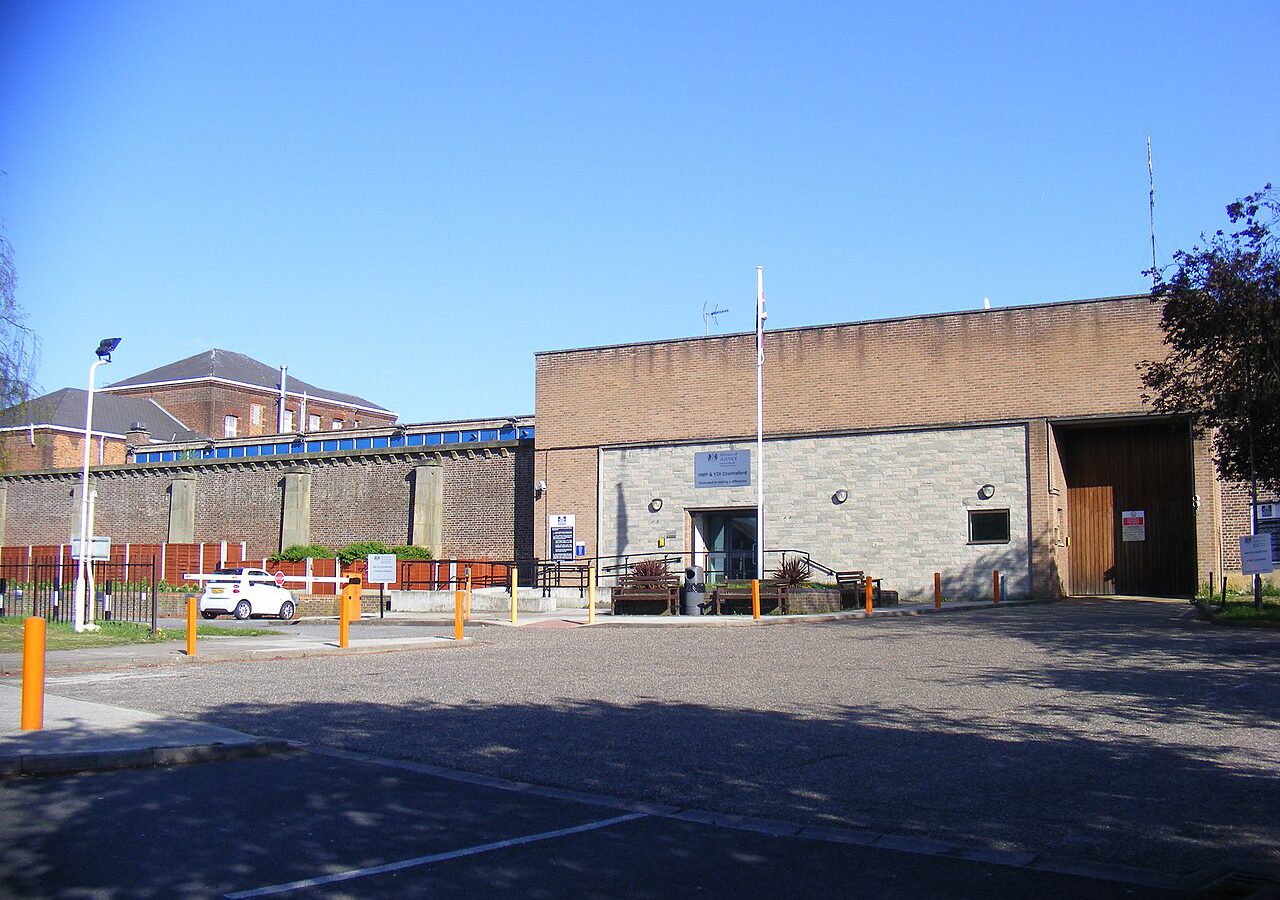
HMP & YOI Chelmsford was failing in its basic duty to keep prisoners safe, the inspectorate found. Its full report on the Essex prison, published in November 2021, rated safety and purposeful activity poor, the lowest grade.
Inspectors visited between 9 and 21 August 2021. The category B local and resettlement prison held 712 adult and young adult men, against an operational capacity of 720.
Straight after the inspection, on 26 August 2021, HM Chief Inspector of Prisons Charlie Taylor wrote to the Justice Secretary invoking the Urgent Notification protocol. Under that protocol, the Justice Secretary commits to respond publicly within 28 days, explaining how outcomes will improve.
Mr Taylor wrote: “The last time we were able to write a positive report about this prison was 10 years ago.”
No improvement since 2018
Inspectors judge prisons against four healthy prison tests. At Chelmsford, safety and purposeful activity, which covers education, work and time out of cell, both stayed poor. Respect stayed not sufficiently good.
Rehabilitation and release planning, the one area rated reasonably good in 2018, fell to not sufficiently good.
In 2018 the then Chief Inspector of Prisons had accepted assurances from local managers and HM Prison and Probation Service that they would improve the prison. Mr Taylor said that optimism had proved misplaced. A special measures programme and other initiatives had not worked.
The inspectorate made 10 recommendations in 2018, all about key concerns. The prison had achieved none of them in full.
Mr Taylor said he had taken full account of the pressures of the COVID-19 pandemic. A new governor had arrived a few months before the inspection, and his vision and enthusiasm encouraged inspectors. They were also struck by how intractable the prison’s failings seemed.
Ofsted, the education inspectorate, carried out a progress monitoring visit alongside the inspection. It assessed how far leaders had got in reinstating a full education, skills and work curriculum.
The last time we were able to write a positive report about this prison was 10 years ago and it was clear to us that the jail was failing in its basic duty to keep those it held safe.
Charlie Taylor, HM Chief Inspector of Prisons
Violence, deaths and self-harm
More than a quarter of prisoners said they felt unsafe at the time of the inspection, and more than half had felt unsafe at some point. Violence remained among the highest for all local prisons.
The safer custody team lacked resources. Staff did not challenge violent prisoners, and victims lacked support. Analysis of safety data was weak.
There had been eight self-inflicted deaths and four non-natural deaths since 2018. Self-harm had increased significantly again, a pattern inspectors had now reported at four consecutive inspections.
Staff lacked confidence in the new ACCT document, the case management process for prisoners at risk of suicide or self-harm. During a night visit, inspectors observed serious flaws in safety practice.
Drugs remained a clear threat. It surprised inspectors that staff rarely used the body scanner in reception, and drug testing had yet to restart.
A damaging staff culture
The report highlighted a negative and damaging staff culture. Many staff were new or inexperienced, their morale was low and many showed disengagement from their work and dismissed the men in their care.
Almost half of prisoners in the survey said staff had victimised them. Those with disabilities and mental health problems gave even worse responses. Prisoners struggled to get even basic entitlements, and leaders linked their frustration to a rise in assaults on staff.
A lack of management oversight and accountability allowed poor staff behaviour to go unchallenged. Many staff had witnessed poor behaviour by colleagues. Too few staff took responsibility for the duties they had been given.
Conditions were poor. The older Victorian wings felt cramped and overcrowded, and many cells were dirty and in poor repair. Some cell bells went unanswered for far too long. New arrivals waited up to 11 days for their first prison shop order.
Health, equality and what came next
Inspectors noted some improvements. Equality work had progressed, with a good partnership with Ipswich and Suffolk Commission for Racial Equality. Social care outcomes were generally good, and substance misuse services were very good. Partnership working between the prison and health services remained weak, and staff shortages in the pharmacy and mental health teams had a negative impact.
Mr Taylor said the prison would not improve without a sustained drive for all staff to take responsibility for a safer, more decent environment. He wrote that “the drift and decline at this prison must be addressed”.
Inspectors have reported on Chelmsford again since, with an independent review of progress published in October 2022. Full inspections followed in May 2024 and October 2026.
About this story
This story is based on HM Inspectorate of Prisons’ report on HMP & YOI Chelmsford, published on 24 November 2021, following an inspection that ended in August 2021. It covers an earlier inspection: the prison’s profile has the latest findings. All figures and judgements are the inspectorate’s. Read the full inspection report · See the prison’s profile in our directory.



