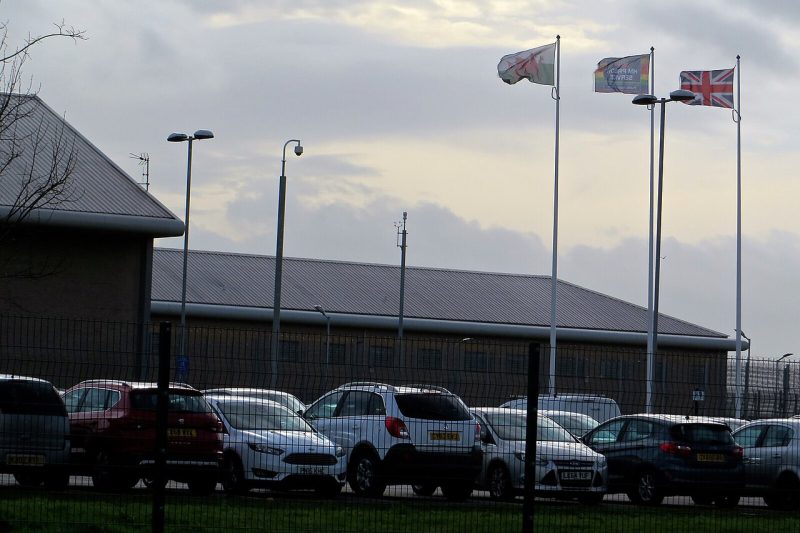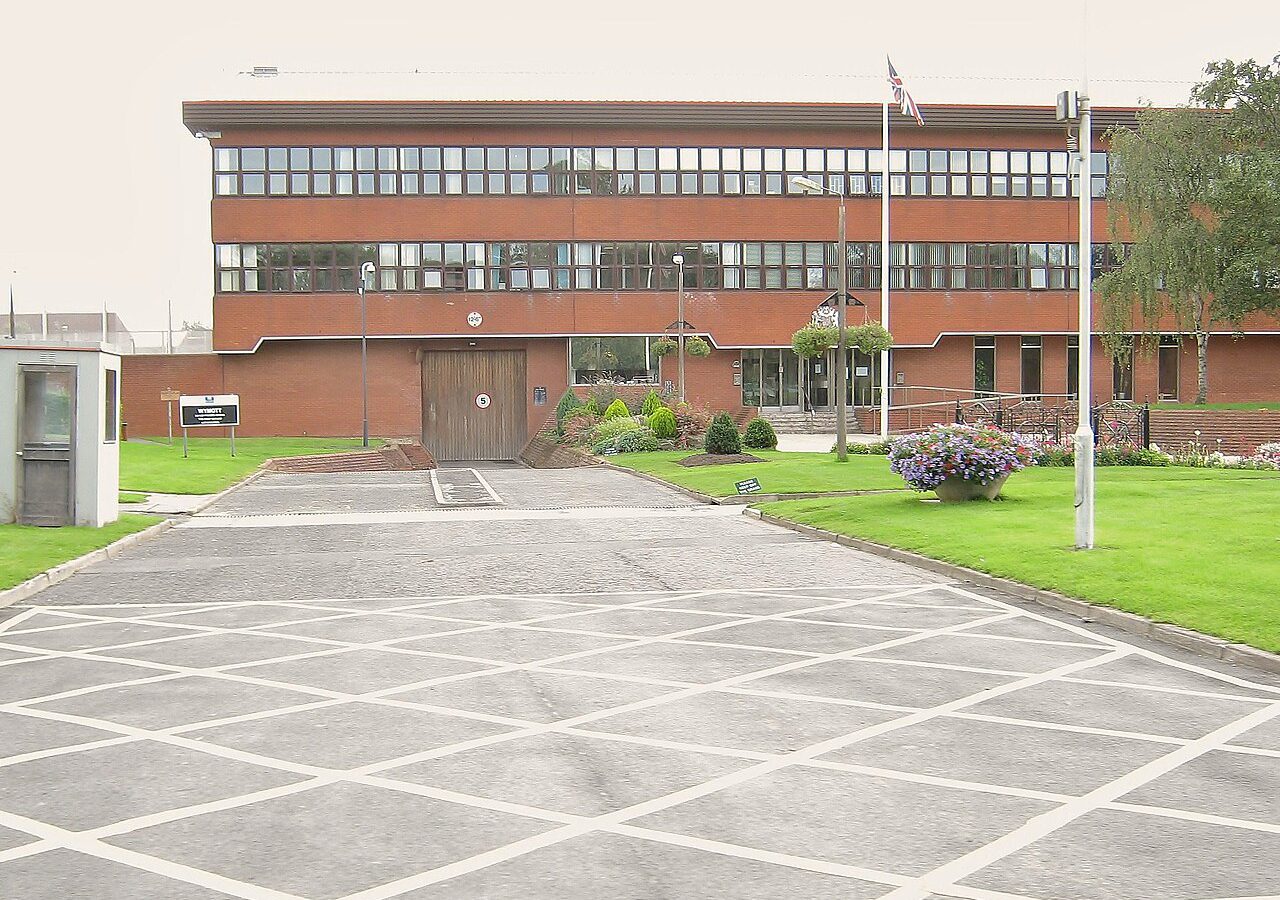
HMP Wymott in Lancashire was not doing the job of a training prison, according to HM Inspectorate of Prisons. Its report, published in April 2024, found too few education and work places, buildings beyond repair and a serious drugs problem.
Charlie Taylor, HM Chief Inspector of Prisons, wrote that “Wymott was failing to fulfil its remit as a training prison”. Unemployed men spent 21 hours a day locked up, and the weekend regime was poor for everyone.
Wymott is a category C training prison for adult men. It held 1,182 men when inspectors visited in December 2023, against an operational capacity of 1,192. Over half had a conviction for a sexual offence.
Mixed grades
The inspectorate grades prisons against four healthy prison tests. Wymott scored good for preparation for release and reasonably good for safety.
It scored not sufficiently good for respect and for purposeful activity, which covers education, work and time out of cell.
This was the first full inspection since 2016. During the Covid-19 pandemic, inspectors made a shorter scrutiny visit, published in September 2020, which did not produce grades.
Inspectors identified 11 key concerns, six of them priorities. Of eight key recommendations from the scrutiny visit, the prison had achieved one. Three remained outstanding and four no longer applied.
Wymott was failing to fulfil its remit as a training prison, with many prisoners on the main site limited to a part-time regime.
Charlie Taylor, HM Chief Inspector of Prisons
Neglected buildings and lost workshops
The Chief Inspector of Prisons said senior leaders had failed to invest in the prison. The kitchen was in a terrible state. Inspectors had criticised accommodation in house blocks A and B at the last two inspections, and it was now beyond repair.
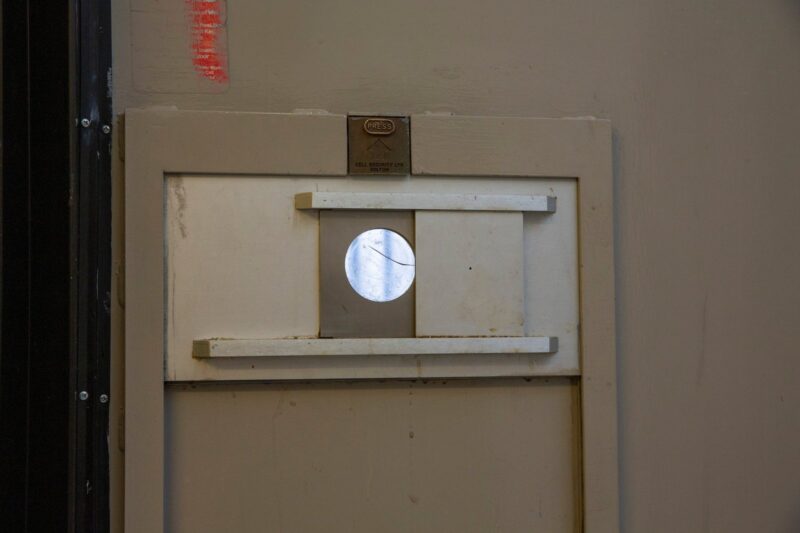
Some single cells held two men and were unacceptably cramped. They had an unscreened toilet in the corner and room for only one chair.
Storm damage to a workshop roof had put it out of use. That left too many men without activity and with high levels of boredom.
Ofsted judged that education required improvement. Senior leaders had not overseen education closely enough, and attendance and punctuality were poor. Leaders had not planned the curriculum to meet all needs.
The Chief Inspector of Prisons said the governor faced a challenge if HMPPS did not fund the overdue refurbishments.
Drugs, sickness and mental health
Drugs remained a serious problem and fuelled debt. Some men isolated themselves or self-harmed out of fear of violence. Staff did not always use the body scanner, there was no enhanced gate security and the prison lacked technology used elsewhere. The Chief Inspector of Prisons pointed to frequent drone deliveries over the large perimeter fence. Staff also carried out too little searching and testing.
Leaders had recruited and kept enough officers. However, very high sickness rates left too few staff on the wings, which led to cancelled activities and appointments. Health care governance was weak in places, with poorly managed complaints and inadequate staff training and supervision.
Mental health care fell short for a population with many vulnerable men. Waits for psychological therapies reached 39 weeks, and some men waited over a year for counselling.
In the inspectorate’s survey, 20% of prisoners with mental health difficulties said they had developed a drug problem since arriving.
Inspectors also found staff often failed to challenge rule-breaking, and many prisoners felt the incentives did little to motivate them. Prisoners were unhappy with the food, and rising canteen prices made it hard to top up meals. Leaders had also allowed outdated practices to continue, such as requiring men to wear prison clothing whenever they left their wing.
Relationships and release work
Relationships between staff and prisoners remained a clear strength. In the words of the Chief Inspector of Prisons, “The strong staff-prisoner relationships, which we noted in previous inspections, continued to be a strength of this prison”.
Wymott is not a resettlement prison, but population pressures elsewhere meant it was releasing men every month. Despite no central funding for this work, staff linked well with outside services. Offender management achieved good results despite a severe shortage of probation officers, and men could access a wide range of accredited programmes.
The prison holds many older men: 32% were over 50, including 5% over 70. The Haven Unit cared for elderly and unwell prisoners. Over 150 prisoners with disabilities received support through a buddy scheme run by peer workers.
Inspectors also praised a sensory room in the segregation unit and family support run with the charity Partners of Prisoners and Family Support Group.
The new governor, backed by an experienced deputy, now needed to tackle officer absence and improve education and work, the Chief Inspector of Prisons said.
About this story
This story is based on HM Inspectorate of Prisons’ report on HMP Wymott, published on 3 April 2024, following an inspection that ended in December 2023. All figures and judgements are the inspectorate’s. Read the full inspection report · See the prison’s profile in our directory.