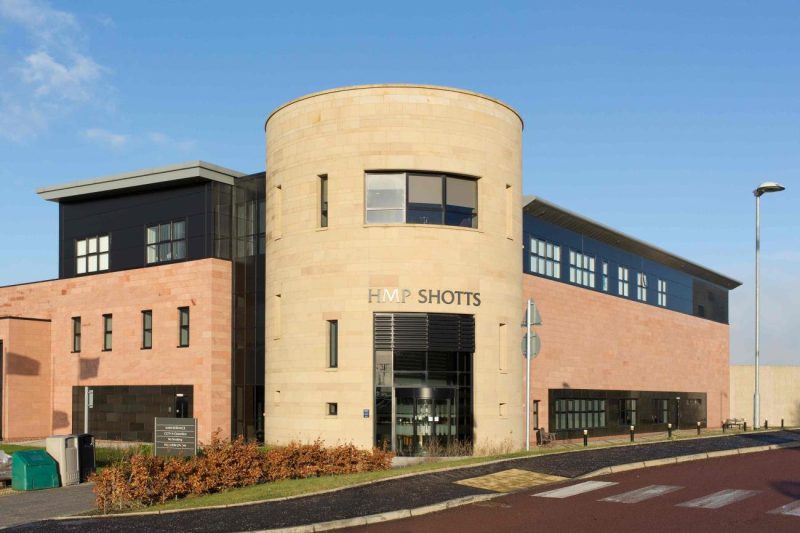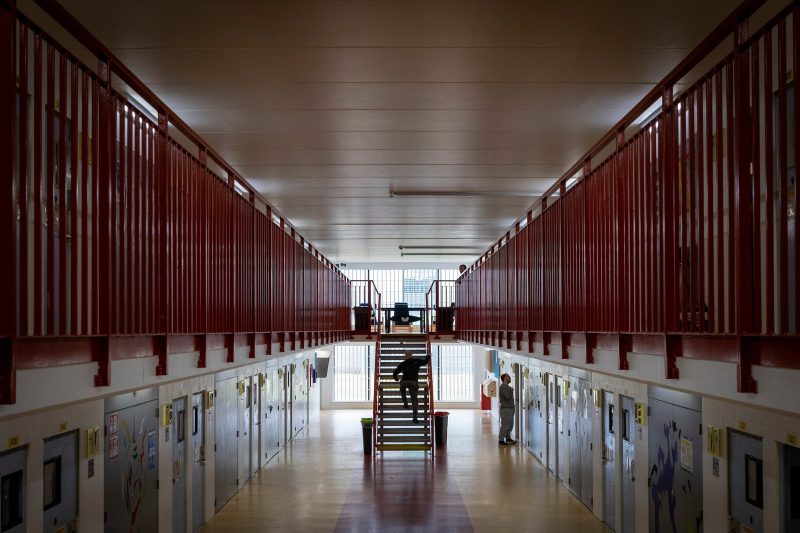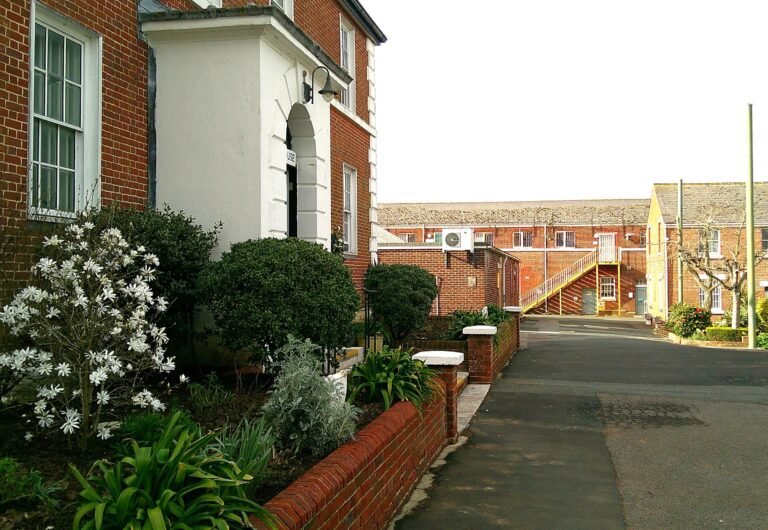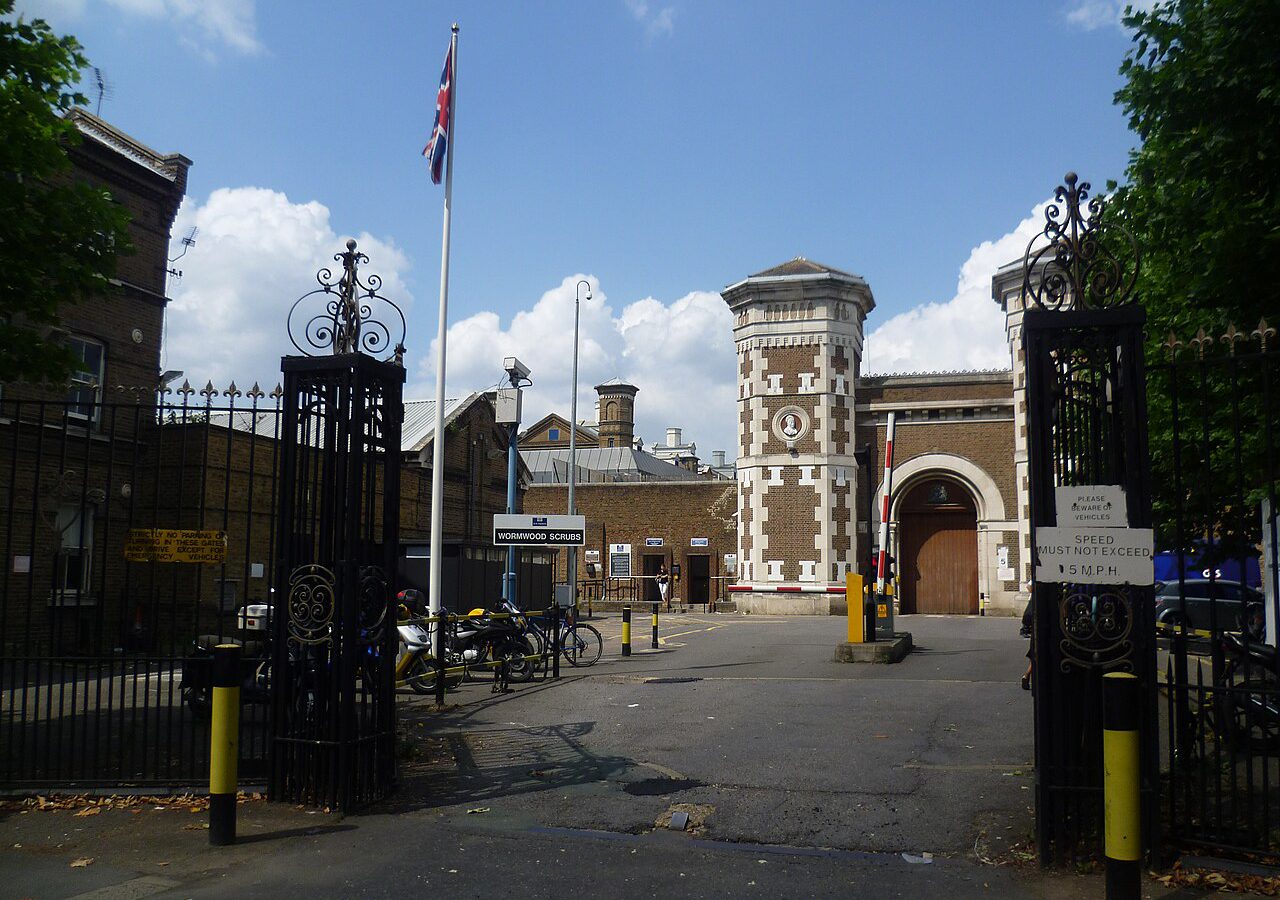
HMP Wormwood Scrubs had improved greatly since inspectors found it in crisis in 2017, according to a report published in February 2020. However, inspectors warned that the progress remained fragile.
HM Inspectorate of Prisons carried out an announced inspection between 16 September and 4 October 2019. HM Chief Inspector of Prisons Peter Clarke wrote: “This is, overall, an encouraging report.”
He found a more settled prison, where staff and prisoners felt more positive about the establishment. He praised the governor and senior team for analysing the prison’s problems and tackling them in a measured way.
He also urged HM Prison and Probation Service (HMPPS) not to dilute its support. He wrote that “that progress remained fragile” and that this was not the time to relax management grip.
From crisis to recovery
Inspectors judge prisons against four healthy prison tests: safety, respect, purposeful activity, and rehabilitation and release planning. Purposeful activity covers education, work and time out of cell.
At this inspection, Wormwood Scrubs scored reasonably good for respect. It scored not sufficiently good for safety and for rehabilitation and release planning. It scored poor, the lowest grade, for purposeful activity.
In 2017, inspectors had found a prison that they could only describe as being in a state of crisis. The inspectorate’s formal Urgent Notification process was still in development at that time. Peter Clarke said he would most assuredly have used it.
Instead, he wrote to the then Chief Executive of HMPPS on 16 August 2017. HMPPS replied immediately and committed to improve standards. Inspectors said they had seen considerable efforts to meet that commitment.
Wormwood Scrubs is one of the country’s most famous prisons, built in the late nineteenth century. It served the capital as a local and resettlement prison. It held 1,015 men at the time of the inspection.
This is, overall, an encouraging report. Unlike our visit two years ago, we found a more settled prison where both staff and prisoners were more positive about the establishment.
Peter Clarke, HM Chief Inspector of Prisons
Safety work not yet embedded
The prison was doing much more to improve safety, but this work had not yet made enough difference. In the inspectorate’s survey, over a third of prisoners still said they felt unsafe.
Recorded violence had increased, although serious incidents were fewer than at comparable prisons. A good safety strategy was in place, and staff investigated most incidents. However, case management of perpetrators and victims of violence was weak. The prison planned new work to challenge gang culture, but did too little to give prisoners incentives.
Use of force had increased, although much of it was relatively minor and oversight was improving. Better CCTV coverage and technology had strengthened security. There was some evidence that drug use was falling.
Since the previous inspection, there had been four self-inflicted deaths and one homicide. The prison had been too slow to act on some recommendations from the Prisons and Probation Ombudsman.
Self-harm was high but similar to other prisons. Since the beginning of 2019, work to protect those at risk had improved markedly.
Respect improved but too little to do
The prison had become a more respectful place. Relationships between staff and prisoners were generally satisfactory, if inconsistent. Key worker arrangements did not yet work well enough. Peer mentoring and consultation worked reasonably well, and the handling of applications and complaints was improving.
Cells were much cleaner and better kept, although some were still overcrowded. Work on equality and diversity had improved. Health services were generally good, but care for people with long-term conditions fell short.
Time out of cell remained inadequate. During the working day, 38% of prisoners stayed locked up. In theory the prison had enough activity places for everyone, but attendance was too often poor, especially in education.
Ofsted, which inspects prison education, found improvements but still rated overall effectiveness as requires improvement. Vocational training was better than other areas.
Release planning was improving. Procedures for home detention curfew and recategorisation were robust. Prisoners had more contact with their offender managers, but risk and needs assessments were too often incomplete or out of date. However, inspectors identified a few high-risk cases with inadequate release plans. Over the previous six months, 78% of prisoners with an identified accommodation need had left for suitable housing.
Over 120 volunteers supported the chaplaincy. Some 86% of prisoners said they had a religion, far more than inspectors normally saw.
Since this report
Inspectors said they intended to return within the year for an independent review of progress. They have reported on the prison again since, with full inspections published in September 2021 and September 2025. An independent review of progress followed in April 2026.
About this story
This story is based on HM Inspectorate of Prisons’ report on HMP Wormwood Scrubs, published on 11 February 2020, following an inspection that ended in October 2019. It covers an earlier inspection: the prison’s profile has the latest findings. All figures and judgements are the inspectorate’s. Read the full inspection report · See the prison’s profile in our directory.