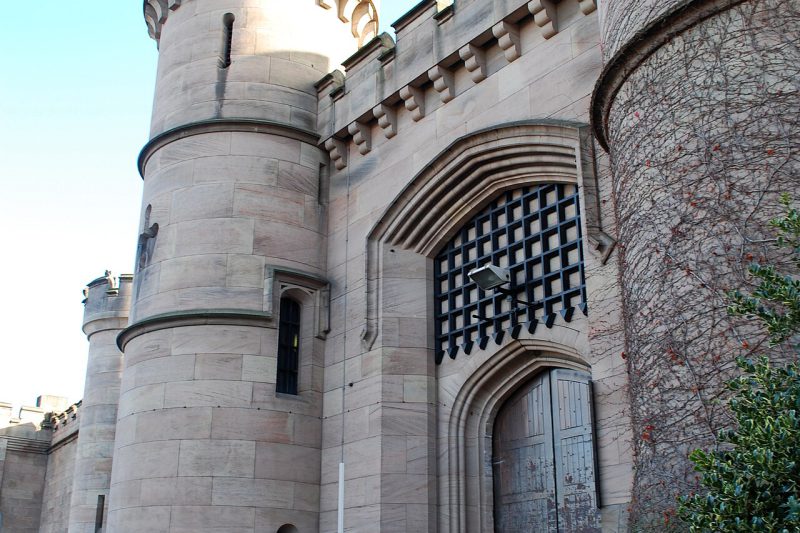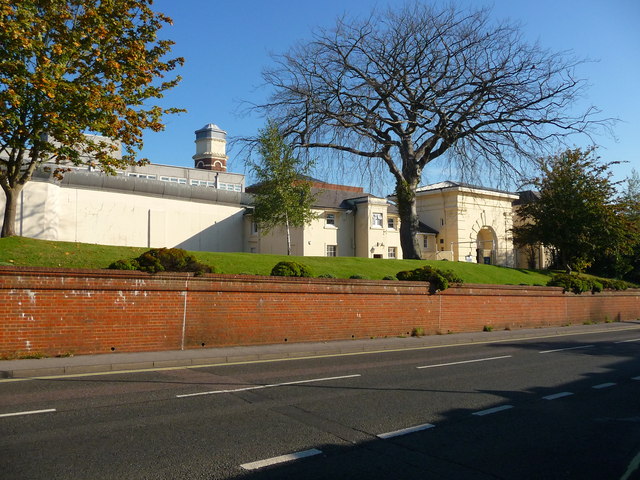
HMP Winchester remained one of the most violent prisons in the country, according to an inspection report published in May 2022.
HM Inspectorate of Prisons visited the Victorian prison between 31 January and 11 February 2022. Inspectors found some limited progress since their previous visit in 2019. Even so, the prison’s grades stayed the same on every test.
Most prisoners spent 22.5 hours a day locked in their cells, and longer at weekends. Water supply problems meant fewer prisoners could shower daily than at any other prison inspectors had visited.
HM Chief Inspector of Prisons Charlie Taylor said leaders had failed to show enough real, sustained grip. He acknowledged that the pandemic had limited some progress.
How inspectors graded Winchester
Inspectors judge prisons against four healthy prison tests: safety, respect, purposeful activity, and rehabilitation and release planning. Purposeful activity covers education, work and time out of cell.
On the main site, Winchester scored poor, the lowest grade, for safety and for purposeful activity. It scored not sufficiently good for respect and for rehabilitation and release planning. These matched the main site’s grades from 2019.
Winchester served the courts in south and central England. It held 492 men during the inspection, most in the main category B prison. A small, separate category C unit held the rest. Over half of the prisoners had not yet received a sentence.
Inspectors assessed the category C unit separately. It remained reasonably good for safety and for respect, as in 2019.
Winchester continued to be one of the most violent prisons in the country.
HM Inspectorate of Prisons report
Violence and safety
Inspectors wrote: “Winchester continued to be one of the most violent prisons in the country.” Assaults on staff and prisoners outnumbered those at similar prisons.
Assaults on staff were falling, but violence between prisoners showed no similar decline. The main site was far more violent than the category C unit, where prisoners felt much safer.
The prison had done impressive work to manage some of its most violent prisoners. Many had good plans with tailored interventions. However, staff did not routinely investigate violent incidents, and the prison had no meaningful strategy to tackle the causes of violence.
Inspectors could not be confident that all use of force was proportionate, necessary and justified. Some incidents went unrecorded, statements were missing and staff did not always use body-worn cameras.
The prison saw drugs as its main threat, but its drug strategy was too generic to work. Self-harm had fallen on the main site since 2019 but remained among the highest of all local prisons.
Locked up with little to do
Time out of cell was very limited. The prison could not get prisoners to classrooms and workshops consistently or on time. This frustrated the enthusiastic education managers, who could not plan work programmes.
The prison did not assess new arrivals’ skills, so men with community jobs did not get suitable work. On the category C unit, low-risk prisoners felt bored and frustrated. Workshops sat underused and the gardens were out of bounds.
Staff shortages affected the day-to-day running of the jail. At times there were simply not enough officers to run even a basic regime. The prison often moved officers away from the gym and the offender management unit, cutting access further.
Inspectors urged leaders to find out why so many officers were leaving. They called for support to help new staff through their first year.
Living conditions and care
Some buildings had improved, including new showers on some wings. However, ongoing problems with the water supply meant “fewer prisoners than any prison we have visited were able to have a daily shower”, the report said.
Too many prisoners shared cells designed for one. Many cells, particularly on the C4 landing, had graffiti, worn-out furniture and dirty toilets. Leaders had put up posters showing how cells ought to look, but had no credible plan to get there.
Many men went days without a shower or reliable access to clean clothes and bedding. In the survey, only 36% at the main site and 30% at the category C unit rated the food as good.
There were positives. Inspectors praised the skill and dedication of many officers and staff. Leaders had kept visits going during the latest lockdown despite frequent staff shortages.
Health care staff had managed four COVID-19 outbreaks and the vaccination programme. The complaints system worked well, and the chaplaincy gave strong pastoral support despite limited resources.
Since this report
Inspectors have reported on HMP Winchester several times since. An independent review of progress appeared in January 2023 and an Urgent Notification in October 2024. Full inspection reports followed in January 2025 and May 2026.
About this story
This story is based on HM Inspectorate of Prisons’ report on HMP Winchester, published on 25 May 2022, following an inspection that ended in February 2022. It covers an earlier inspection: the prison’s profile has the latest findings. All figures and judgements are the inspectorate’s. Read the full inspection report · See the prison’s profile in our directory.