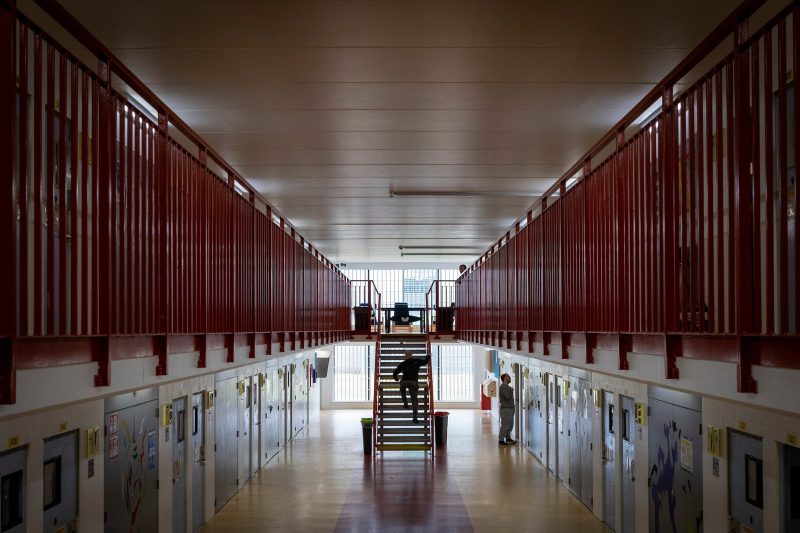
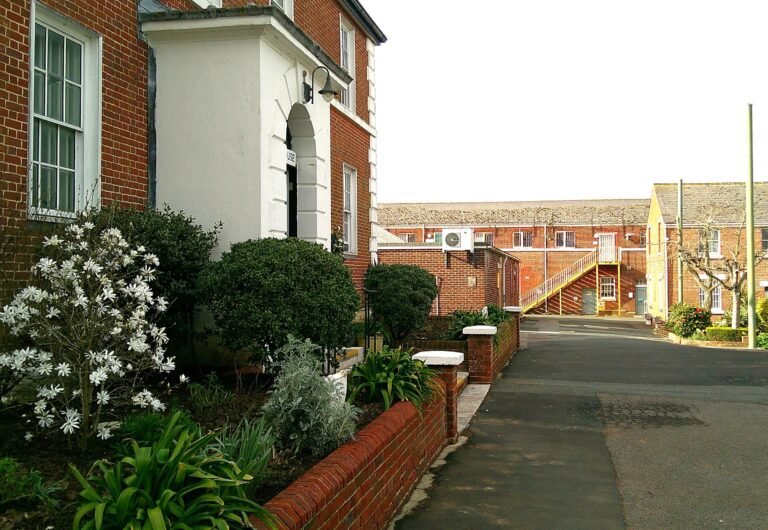
HMP Whitemoor, a high-security prison in Cambridgeshire, improved in three of the four areas that inspectors assess. However, staff shortages meant the daily routine was inadequate and too many men spent the working day in their cells.
HM Inspectorate of Prisons published its report on the jail in February 2026, after fieldwork that ended in October 2025. Charlie Taylor, HM Chief Inspector of Prisons, described it as a positive and encouraging inspection.
“Whitemoor was an improved prison, doing a difficult job reasonably well,” he wrote.
Whitemoor, in March, holds category A and B men. Nearly all were serving more than 10 years, and 76% had indeterminate sentences. Over a third of the 455 men held were category A, the highest security classification. The prison’s operational capacity is 458.
Better grades in three areas
The inspectorate grades prisons against four healthy prison tests. Whitemoor scored good for safety, up from reasonably good at the previous full inspection, which it published in April 2023.
Respect rose from not sufficiently good to reasonably good. Preparation for release also reached reasonably good, an improvement on the not sufficiently good grade given last time for rehabilitation and release planning.
Purposeful activity, which covers education, work and time out of cell, stayed at poor, the lowest grade.
The prison also runs a close supervision centre for a small number of highly disruptive men. The inspectorate examines such units separately, and this report did not cover it.
Whitemoor was an improved prison, doing a difficult job reasonably well.
Charlie Taylor, HM Chief Inspector of Prisons
Staff shortages and a poor regime
Inspectors said they were told the poor regime stemmed from staff shortfalls and high absence at every grade. Even with overtime and staff on loan from other prisons, the day often began with only 74% of the officers needed.
As a result, education, hospital appointments and drug testing on suspicion did not happen consistently. Leaders expected the staffing position to get worse in the coming months. Nationally, the Ministry of Justice had begun promoting jobs in the high-security estate ahead of a recruitment round due in January 2026.
There were not enough places in education, skills and work for the whole population. Attendance among those who did have places remained low. Inspectors also found the curriculum too narrow to meet men’s future career goals. Prisoners lacked suitable chances to learn about fundamental British values and the risks of radicalisation and extremism.
The lack of activity and courses made it hard for men to show they had reduced their risk. Inspectors repeated an earlier concern that too few could progress through their sentence. In their words, “too many prisoners were locked up during the working day”.
Force, health care and race
Use of force at Whitemoor sat below the average for the five dispersal prisons, which hold the highest-risk men. However, staff had used PAVA, an incapacitant spray, almost as often as the other four prisons combined.
Health care faced long delays. Many external hospital appointments were cancelled because no officers were available to escort prisoners. One patient had waited 18 months for a move to a secure hospital under the Mental Health Act. Some men waited up to 50 weeks for routine dental treatment.
Leaders had not set or enforced high standards of cleanliness. Cleaning materials regularly ran out, and wing leaders carried out no regular checks.
Inspectors raised concern that leaders had not dealt promptly or effectively with a staff member’s allegation of racial victimisation by three colleagues. Leaders also had limited insight into the experiences of ethnic minority and Muslim prisoners.
Leadership and what comes next
Inspectors found the prison ordered, secure and settled. They described the governor and deputy governor as visible and approachable, with a clear grasp of the jail’s strengths and weaknesses.
Leaders had invested in training, coaching and mentoring, and had appointed a learning lead and a health and well-being manager. Inspectors noted strong leadership in safety and offender management, and good joint working with police.
One example of positive practice came from the kitchen. Its manager worked with a therapeutic unit to prepare individually sealed meals for men with food phobias.
Of 12 concerns raised at the previous inspection, leaders had fully addressed six. However, they had addressed only one of the five priority concerns.
This time the inspectorate identified 13 key concerns, four of them priorities. All four related to the regime, activity places, attendance and sentence progression. Leaders must send the inspectorate a plan showing how and when they will resolve each one.
About this story
This story is based on HM Inspectorate of Prisons’ report on HMP Whitemoor, published on 2 February 2026, following an inspection that ended in October 2025. All figures and judgements are the inspectorate’s. Read the full inspection report · See the prison’s profile in our directory.