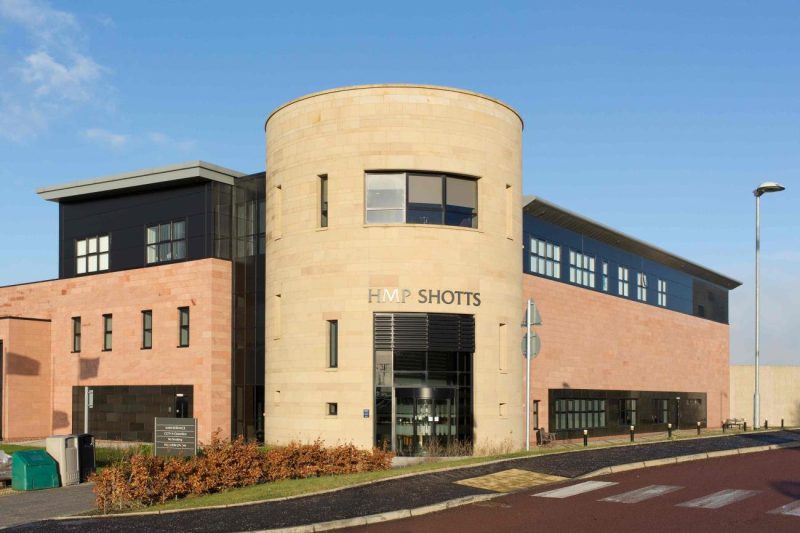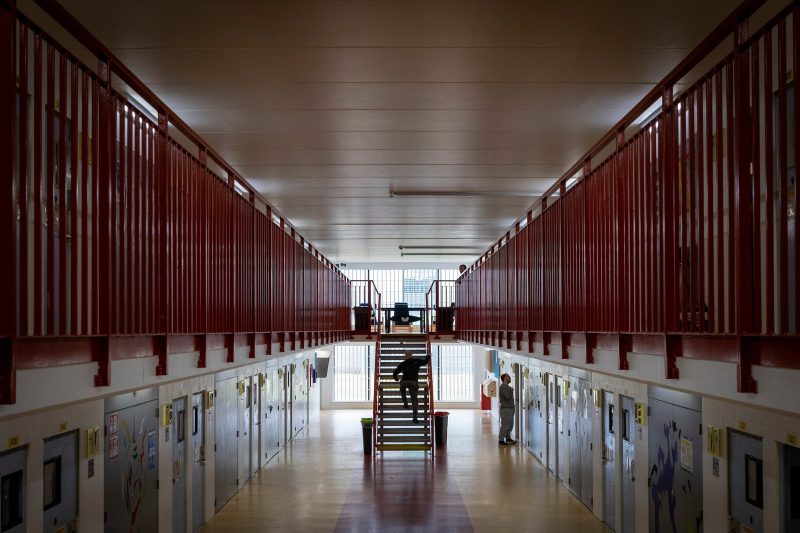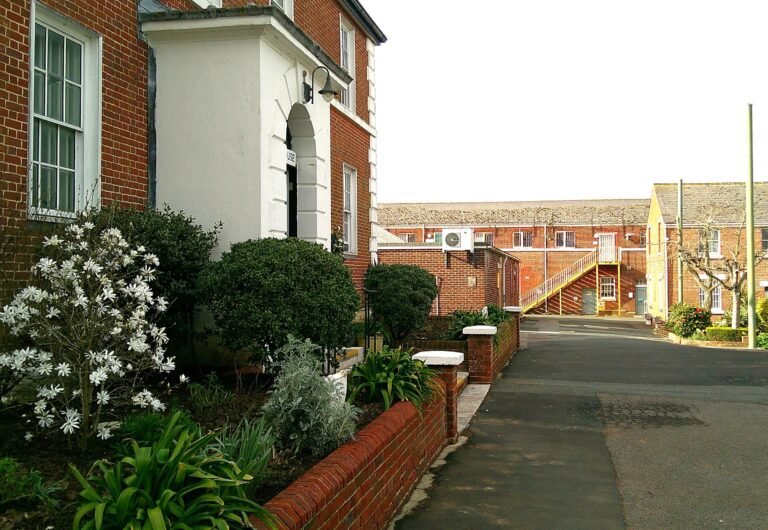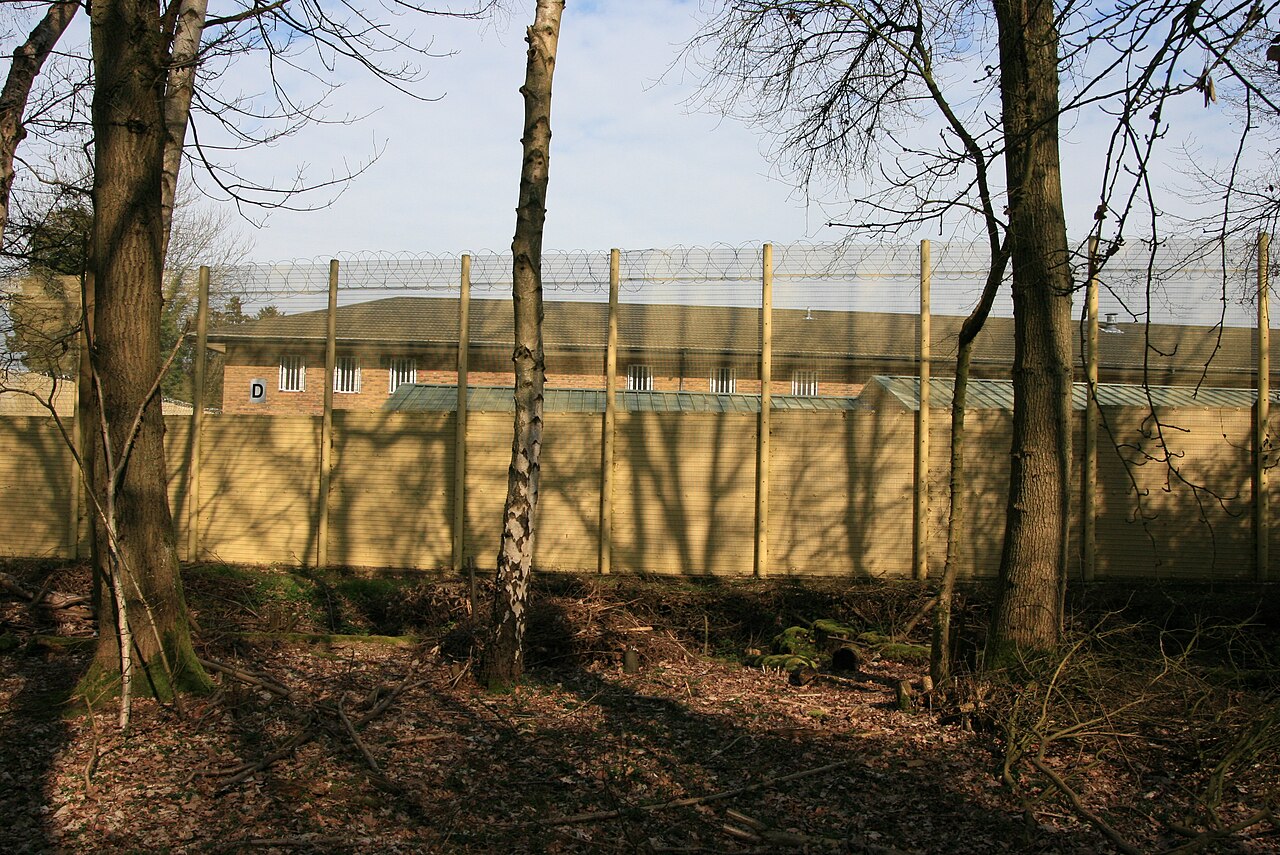
HMP Send had built on an already strong record and improved further, inspectors found. The women’s prison stayed safe and respectful, and had raised standards in both purposeful activity and preparation for release.
HM Inspectorate of Prisons published its report in July 2025. Inspectors completed their fieldwork in April 2025.
Charlie Taylor, HM Chief Inspector of Prisons, gave a clear verdict: “Send is a very good prison.” He said the governor and her staff deserved congratulations for what they had achieved.
Grades and who Send holds
Send is a closed training prison for women near Woking in Surrey. It has held women since 1998. It held 247 women during the inspection, against an operational capacity of 255.
Most women at Send serve long sentences. Some 80% were serving more than four years, and a third had indeterminate sentences. Assessments placed half of them at high risk of causing serious harm to others. The prison also runs the only democratic therapeutic community for women.
The inspectorate grades prisons against four healthy prison tests. Send scored good for safety, respect and preparation for release. It scored reasonably good for purposeful activity, which covers education, work and time out of cell.
In the previous full inspection, published in August 2021, Send scored good for safety and respect. Inspectors then rated purposeful activity not sufficiently good and rehabilitation and release planning reasonably good. Leaders had achieved both key recommendations on those two areas.
Send is a very good prison. The Governor is highly visible, leads from the front and sets the ethos and standards that guide it.
Charlie Taylor, HM Chief Inspector of Prisons
Safety and care
Women received very good support on arrival. They waited in an unlocked, welcoming room with a hot drink and food, and an induction orderly helped settle them. Every new arrival saw a nurse. The chaplaincy gave each woman a welcome pack. Staff carried out enhanced welfare checks on the first night. Almost two-thirds of women surveyed said induction covered everything they needed to know.
Self-harm rates were low, and women in crisis could get help through therapies, an active regime and peer support. Violence was rare and seldom serious. Inspectors described every safety measure as encouraging.
Inspectors did find some weaknesses. Some staff used poor practice when applying force, and leaders’ oversight had not picked this up. Records did not always show that restrictive measures on women at risk of self-harm came only as a last resort.
A national charity, Brainkind, had trained staff on how brain injury affects behaviour, given how many women had experienced physical abuse. Inspectors called this training they rarely see.
Daily life and activity
Relationships rested on respect and compassion. Support for family contact was excellent, with a skilled team helping women rebuild ties with their children. Consultation with women was meaningful, although applications and complaints systems needed work.
The environment had improved. A new unit had replaced two dilapidated wings, and the grounds supported well-being. The partnership with the health care provider was excellent.
Women spent a particularly good amount of time unlocked. Leaders had reinvigorated the regime, and more women now worked or studied. A reading strategy had taken hold, and an excellent range of social and recreational activity supported the community ethos.
Opportunities to study at level 3 and above remained too limited. Women who spoke little English also lacked support, with little translated information and inconsistent use of professional interpreters.
Leadership and release
Four governors had run Send since the last inspection, yet progress continued. The current governor was highly visible and set high standards. Leaders had recruited more officers than they needed, and good retention made the regime reliable. Many staff said, however, that supervision sessions with line managers happened less often than the governor expected. The Chief Inspector of Prisons wrote: “There is an energy, dynamism, and sense of purpose to Send.”
Inspectors raised six concerns, with one priority. Leaders did not use data well enough. For example, they did not track trends in the use of segregation, and different sources measured education attendance.
Offender management was proactive and backed by effective key work. Women could join an excellent range of interventions and therapeutic programmes, including a psychologically informed planned environment unit. Chaplaincy mentors and an NHS service run by Women in Prison supported women before and after release.
A growing number of women on shorter sentences posed a new challenge. Inspectors said the prison had only begun to adapt to it. Prison offender managers also received too little information about public protection concerns to act swiftly on breaches.
About this story
This story is based on HM Inspectorate of Prisons’ report on HMP Send, published on 1 July 2025, following an inspection that ended in April 2025. All figures and judgements are the inspectorate’s. Read the full inspection report · See the prison’s profile in our directory.