
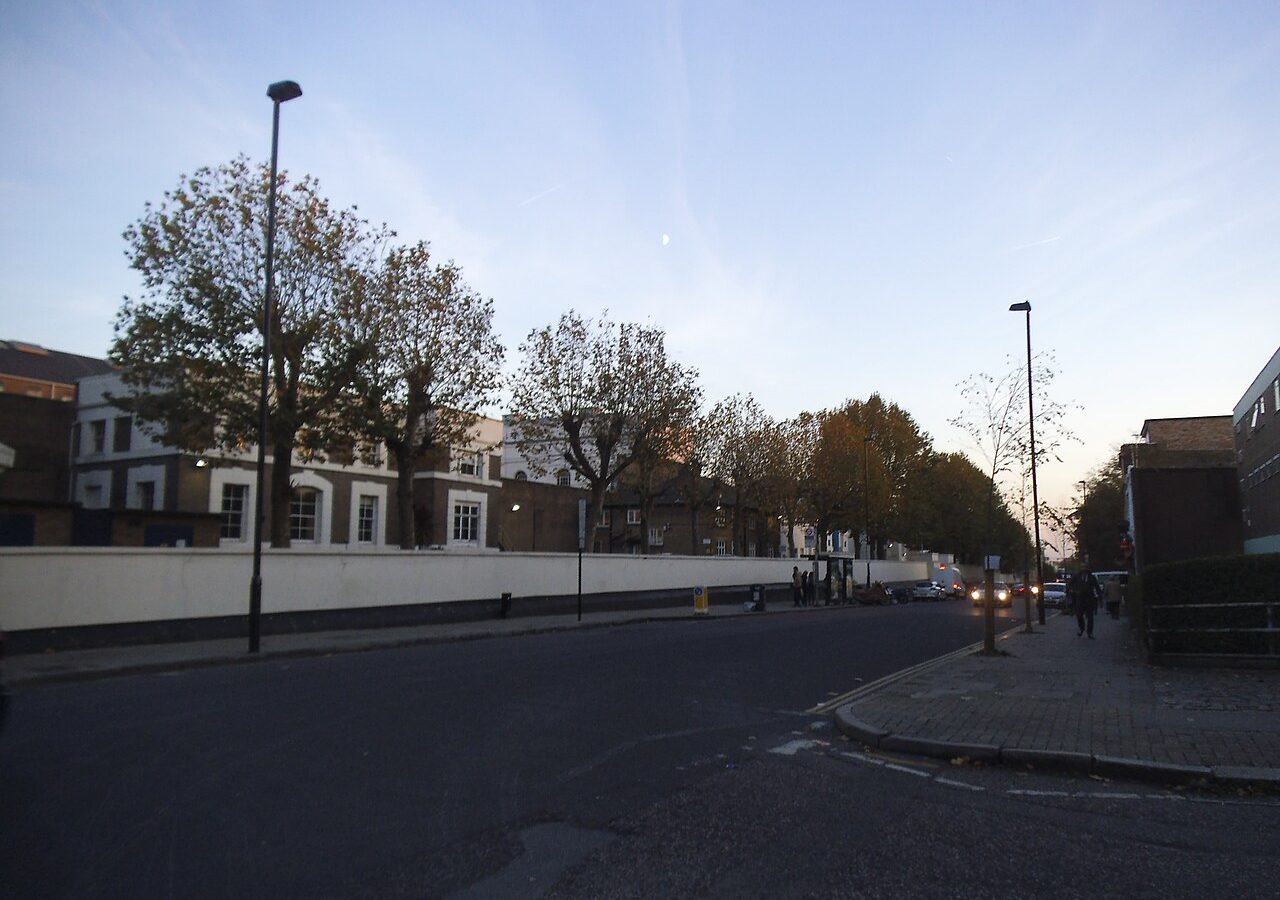
HMP Pentonville had seriously deteriorated, according to HM Inspectorate of Prisons. Its report, published in September 2025, rated the north London prison poor in three of its four healthy prison tests.
Inspectors visited in July 2025. Pentonville held 1,189 men at the time, against an operational capacity of 1,205. It is a category B reception prison, taking remand and convicted men aged 18 and over, many of them straight from the courts.
The findings worried the Chief Inspector of Prisons so much that he used the Urgent Notification process. In July 2025, Chief Inspector of Prisons Charlie Taylor formally told the Justice Secretary of urgent and significant concerns about the prison. Under the process, the government must respond publicly within 28 days.
Grades fall
The inspectorate rated Pentonville poor for safety, not sufficiently good for respect, poor for purposeful activity and poor for preparation for release.
The previous full inspection report appeared in October 2022. It rated safety not sufficiently good, respect not sufficiently good and purposeful activity poor. It also rated rehabilitation and release planning, the earlier name for the fourth test, as not sufficiently good.
Safety therefore fell by one grade, from not sufficiently good to poor. Preparation for release also fell one grade, from not sufficiently good to poor. Respect stayed at not sufficiently good, and purposeful activity remained poor.
The prison had made little headway on earlier concerns. Inspectors raised 15 concerns in 2022. At this visit they found the prison had addressed only three of them, and none in purposeful activity or preparation for release.
Staff on one wing were unable to account for the whereabouts of their prisoners during the working day; symptomatic of a prison in disarray.
Charlie Taylor, HM Chief Inspector of Prisons
Unsafe first nights and weak care
Inspectors called the treatment of new arrivals completely inadequate. Staff placed men in ill-equipped cells without basic items such as bedding, pillows or cutlery. Because of national population pressures, some men spent their first night away from the induction wing. Staff could not tell inspectors who these men were or which cells they were in.
In the inspectorate’s survey, 44% of prisoners said they felt unsafe. The Chief Inspector of Prisons said this was the highest figure in any reception prison during his time in the post.
The Chief Inspector of Prisons wrote: “The care for some of the most vulnerable was appalling.” Support for men at risk of suicide or self-harm was cursory at best. Three prisoners had taken their own lives so far in 2025. Inspectors found staff who should have been watching men on constant supervision asleep, reading or absent altogether.
Violence was high, and drugs often fuelled it. Inspectors frequently smelt cannabis on the wings. Many wings were chaotic and noisy, with lots of shouting from staff and prisoners alike.
Relationships between staff and prisoners were often poor. Many prisoners said staff had victimised them, including through assaults. Inspectors acknowledged many dedicated staff, but they also witnessed an apparent lack of care from too many officers.
Locked up and released late
Purposeful activity covers education, work and time out of cell. A weak system for allocating places left many jobs and education places empty, despite waiting lists. As a result, the vast majority of prisoners spent more than 22 hours a day locked in their cells.
Staff on one wing could not say where their prisoners were during the working day. The Chief Inspector of Prisons described this as “symptomatic of a prison in disarray”. Attendance at education was poor, and very few men went into work on release.
Inspectors also found that staff were consistently failing to calculate sentence lengths correctly. A backlog meant that many men stayed in prison after their sentence should have ended. Inspectors believed most had left a day late, but said others may have stayed longer.
The report placed much of the blame on failures in oversight and accountability across the senior team. There had been four heads of safety in the previous two years. Leaders also faced pressures outside their control, including population pressures and the prison’s Victorian buildings. Inspectors said national leaders had not given enough resources to fix the failing infrastructure.
Some brighter spots
Inspectors reported some positive findings. A dedicated health care team delivered a good service, with particularly good care for some very unwell men on the inpatient unit. Health care staffing shortfalls had largely eased since the previous inspection.
The incentivised substance-free living unit gave men good support to address their addiction. The Time for Change programme supported some of the younger men. Inspectors also recorded three examples of notable positive practice.
The governor had brought all staff training in house and increased initial training for new recruits. Inspectors said this could help, but would take time to show an effect.
In total, inspectors raised 13 key concerns, seven of them priorities. The Chief Inspector of Prisons said it would take support and investment from the prison service to turn the jail round.
HM Inspectorate of Prisons later published an independent review of progress at Pentonville in April 2026. That follow-up visit assessed progress against the key concerns from this inspection.
About this story
This story is based on HM Inspectorate of Prisons’ report on HMP Pentonville, published on 30 September 2025, following an inspection that ended in July 2025. All figures and judgements are the inspectorate’s. Read the full inspection report · See the prison’s profile in our directory.



