HMP Maidstone was calm and well ordered, but inspectors warned of worrying signs that drugs were becoming a bigger problem. The inspectorate’s report, published in February 2019, found that the positive drug test rate had risen to 14.5%.
Peter Clarke, then HM Chief Inspector of Prisons, said this rate was too high to take lightly. He added that “there is certainly no room at all for complacency” about the supply of illicit drugs.
Inspectors visited the Kent prison between 8 and 19 October 2018. Maidstone is a category C prison, and it had held only foreign national men since 2013. During the inspection it held 595 men against an operational capacity of 600. Its population was young, with about 40% of men under 30.
How the prison was graded
Inspectors assess every prison against four healthy prison tests. They grade each one as good, reasonably good, not sufficiently good or poor.
Maidstone scored reasonably good for safety. Respect, which covers how staff treat prisoners and their living conditions, scored not sufficiently good. Purposeful activity, which covers education, work and time out of cell, also scored not sufficiently good. Rehabilitation and release planning, which looks at how the prison prepares men for release, scored poor.
Progress since the previous inspection in August 2015 was limited. At that visit, inspectors made 54 recommendations. By 2018, the prison had achieved 14 of them, partly achieved nine and not achieved 31.
There was clearly a need to refocus on the strategy for reducing the supply of illicit drugs, and there is certainly no room at all for complacency.
Peter Clarke, HM Chief Inspector of Prisons
Safety and the drug threat
Inspectors found the prison orderly and calm. Use of force had risen since the last inspection, but it stayed lower than at other category C prisons, and most incidents were low level.
Arrival procedures caused concern. The Chief Inspector of Prisons said the initial risk assessment of new prisoners was not adequate and needed urgent attention. Reception staff were polite but did not use telephone interpreting when they needed to. First night staff did not assess risks, and there were no first night checks.
Unlike many other prisons, Maidstone had not suffered destabilisation from an influx of drugs. Even so, the positive test rate had climbed, despite random testing that prisoners could predict.
Shortly after the inspection, some 15 parcels holding contraband, including drugs, came over the wall in a single night. The report said the prison responded poorly to intelligence. Backlogs built up, and staff carried out suspicion searches late or not at all.
Inspectors also highlighted good practice in behaviour management. Forums on the incentives and earned privileges scheme regularly reviewed how it worked and included prisoners in the process.
Relationships, food and buildings
Relationships between staff and prisoners were generally good. A higher than usual share of prisoners told inspectors that staff treated them with respect. The prison also had good arrangements for consulting prisoners.
Food was unusually popular, with some 60% of men rating it good. However, staff served it far too early. Inspectors saw lunch served at 11.20am and the evening meal at 4.20pm.
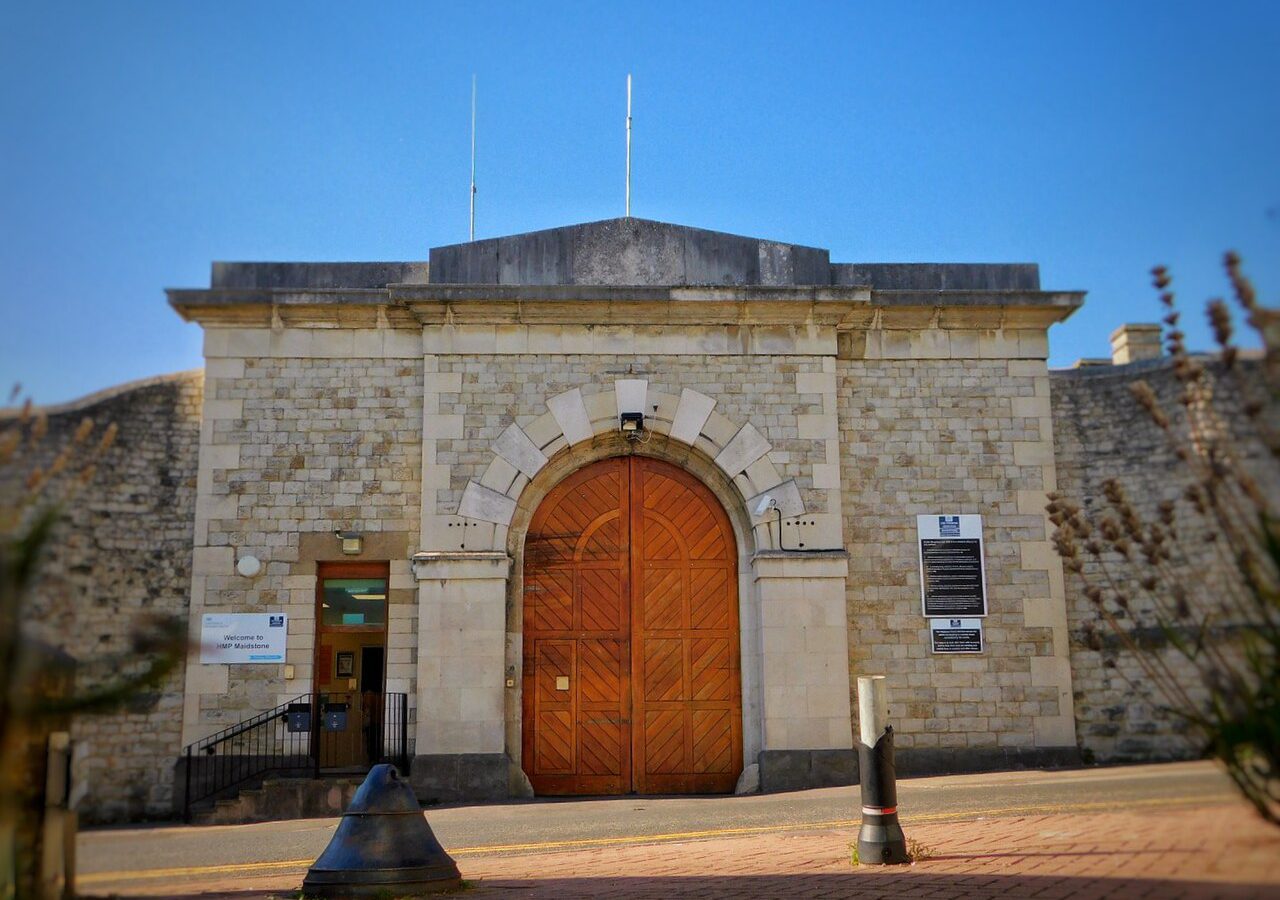
The buildings caused bigger problems. Maidstone dates back to 1819 and resembles a typical Victorian jail, with high walls dominating the surrounding streets. Much of the accommodation was old, shabby and in need of refurbishment.
The sports hall had been condemned and closed. Laundry arrangements also failed, leaving prisoners to wash and dry clothes in their cells. The Chief Inspector of Prisons said the prison needed investment to restore its buildings and facilities.
Work, resettlement and what came next
Inspectors described the decline in purposeful activity as one of the most serious concerns. Activity places existed for only around three-quarters of the population, and the prison lacked a strong culture of teaching, learning or work.
The report said much workshop activity aimed to earn income for the prison rather than build skills for release. In the Chief Inspector of Prisons’ words, “Far too much of the work that was available was mundane and menial”. He saw large numbers of men in workshops playing games instead of working. In one case, staff allocated prisoners to an activity that did not exist.
Ofsted judged education, work and skills inadequate in every area it inspected.
Resettlement support had some weaknesses. About half of prisoners lacked an up-to-date offender assessment, known as OASys, which sets out risks and needs. About 20% of men had never received a social visit. Inspectors also found errors, such as men placed with a Community Rehabilitation Company instead of the National Probation Service.
The report said men facing immigration detention at the end of their sentence should learn this early, not close to their expected release date.
Inspectors have reported on HMP Maidstone again since, with full inspections published in January 2023 and March 2026, and an independent review of progress published in January 2024.
About this story
This story is based on HM Inspectorate of Prisons’ report on HMP Maidstone, published on 19 February 2019, following an inspection that ended in October 2018. It covers an earlier inspection: the prison’s profile has the latest findings. All figures and judgements are the inspectorate’s. Read the full inspection report · See the prison’s profile in our directory.