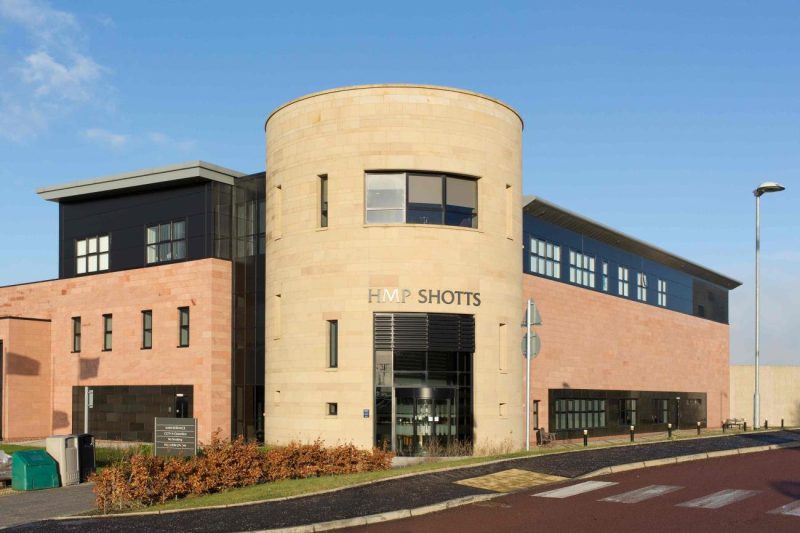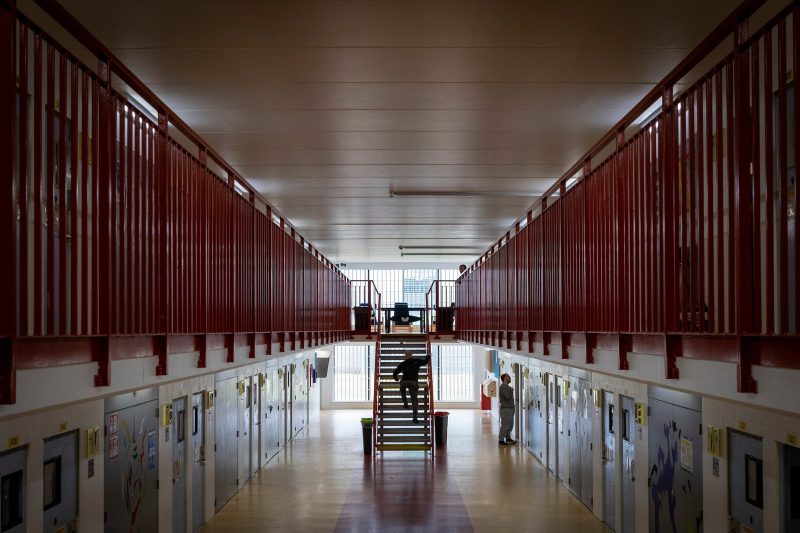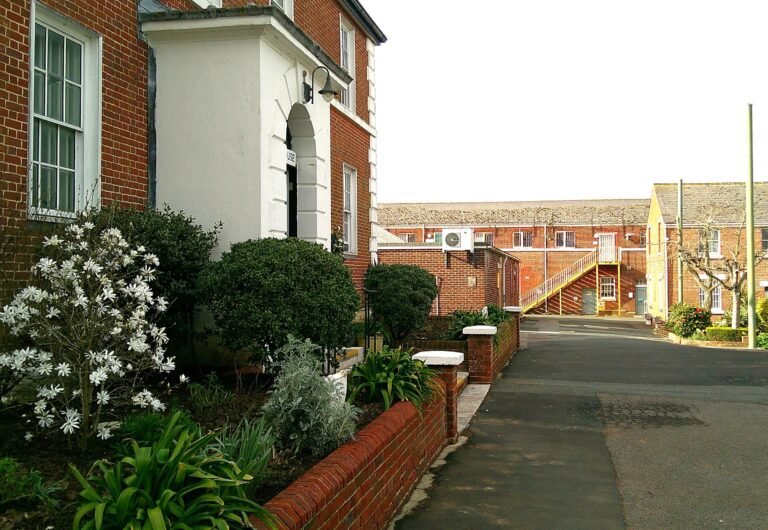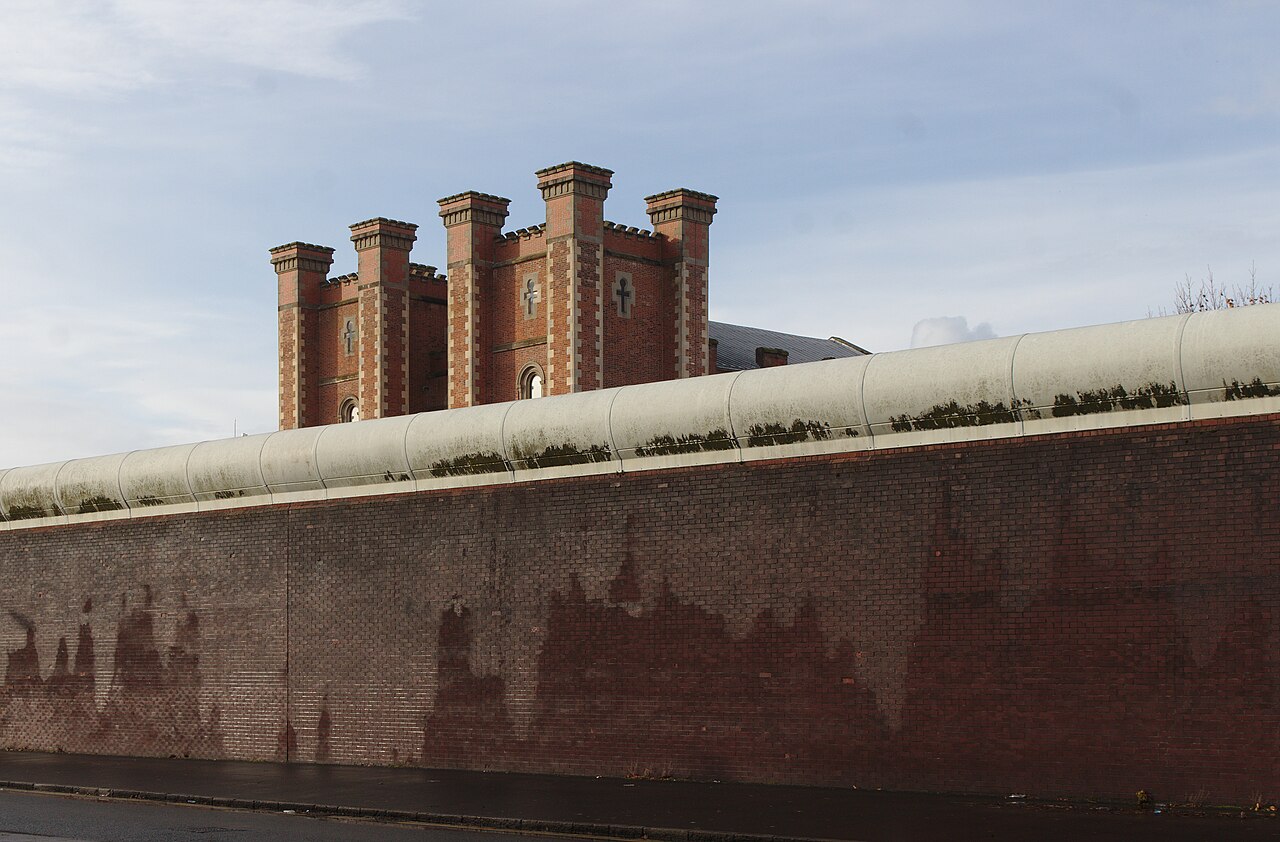
HMP Liverpool had turned around dramatically since inspectors found some of the worst living conditions they had ever seen there in 2017, according to an inspection report published in January 2020.
HM Inspectorate of Prisons (HMIP) visited the prison between 27 August and 6 September 2019. Inspectors rated it good for respect, up from poor at the previous inspection. HM Chief Inspector of Prisons Peter Clarke called that rise “a remarkable achievement since the last inspection”.
Safety still fell short, however. Too many drugs were still reaching the prison, and violence remained too high.
What inspectors found in 2017
Liverpool is a category B local prison serving Merseyside. Locally it is known as Walton prison. It opened in 1855. Large murals of the city greet new arrivals.
The 2017 inspection found conditions had worsened since a poor inspection in 2015. Inspectors reported hundreds of broken windows, filthy blocked lavatories, graffiti, damp, dirt and infestations of rodents and insects. Violence had increased and drugs were readily available. Health care had serious failings. The Chief Inspector of Prisons wrote to the head of the prison service to express his concerns.
In January 2018 the Parliamentary Justice Select Committee held an evidence session devoted solely to the inspection. The response followed. A new governor arrived. The prison held between 450 and 500 fewer men. Refurbishment began, and a different provider took over health care.
At the time of the 2019 inspection, the prison held 684 men against an operational capacity of 700. In 2017 it had held around 1,150. To improve decency, the prison had taken 22% of its cells out of use.
HMP Liverpool 5 Fact page The improvement from poor to good for respect represented a remarkable achievement since the last inspection.
Peter Clarke, HM Chief Inspector of Prisons
How inspectors graded the prison
Inspectors judge every prison against four healthy prison tests. At the time these covered safety, respect, purposeful activity and rehabilitation and release planning. Purposeful activity covers education, work and time out of cell.
Liverpool scored good, the highest grade, for respect and for rehabilitation and release planning. It scored not sufficiently good for safety and for purposeful activity.
The prison had fully achieved 49 of the 72 recommendations made in 2017 and partly achieved four more. The Chief Inspector of Prisons called this an exceptionally high rate. He stressed that the better grades reflected what inspectors found, not a reward for meeting recommendations.
A culture of care replaces squalor
The squalor of 2017 had gone. Most prisoners now lived in clean and decent conditions. The Chief Inspector of Prisons said fewer prisoners and extra resources had helped. However, the real change lay in the quality of leadership and teamwork. “There was now a culture of care that I simply could not see in 2017,” he wrote.
He gave one example. In 2017 he had found a man with complex mental health needs held for weeks in a dark, damp cell with broken windows, exposed wires and a filthy lavatory. In 2019 he met the same man again. The man now lived in the health care unit in bright, clean surroundings and was receiving proper care and treatment.
Release planning had improved markedly. Assessments of prisoners’ risk and needs were well managed, with no backlog, which the report called unusual in this type of prison. In-cell phones had made a huge difference to family contact, and the visitors’ centre had improved. Unlike many prisons, Liverpool released the vast majority of men to sustainable accommodation. Inspectors did note some weaknesses in public protection and risk management.
Drugs, violence and what came next
The safety grade did not reflect a lack of effort, the Chief Inspector of Prisons said. The prison’s plans had simply not yet improved outcomes for prisoners. It had a strategy to cut the drug supply, but this needed review. Violence remained too high. Plans to manage violent prisoners had yet to deliver clear results, and did not tackle low-level poor behaviour. Self-harm was a continuing concern, though incidents had recently shown signs of falling. There had been six self-inflicted deaths since 2017.
Time out of cell had improved, but too many men stayed locked up during the working day. There were too few activity places, and attendance was too low. Inspectors said leaders needed to move faster.
The Chief Inspector of Prisons warned that improvements can prove fragile. He saw no signs of complacency, however, and praised energetic and respected leadership.
Inspectors have reported on the prison again since, with full inspections published in November 2022 and November 2025, and an independent review of progress published in June 2026.
About this story
This story is based on HM Inspectorate of Prisons’ report on HMP Liverpool, published on 14 January 2020, following an inspection that ended in September 2019. It covers an earlier inspection: the prison’s profile has the latest findings. All figures and judgements are the inspectorate’s. Read the full inspection report · See the prison’s profile in our directory.