
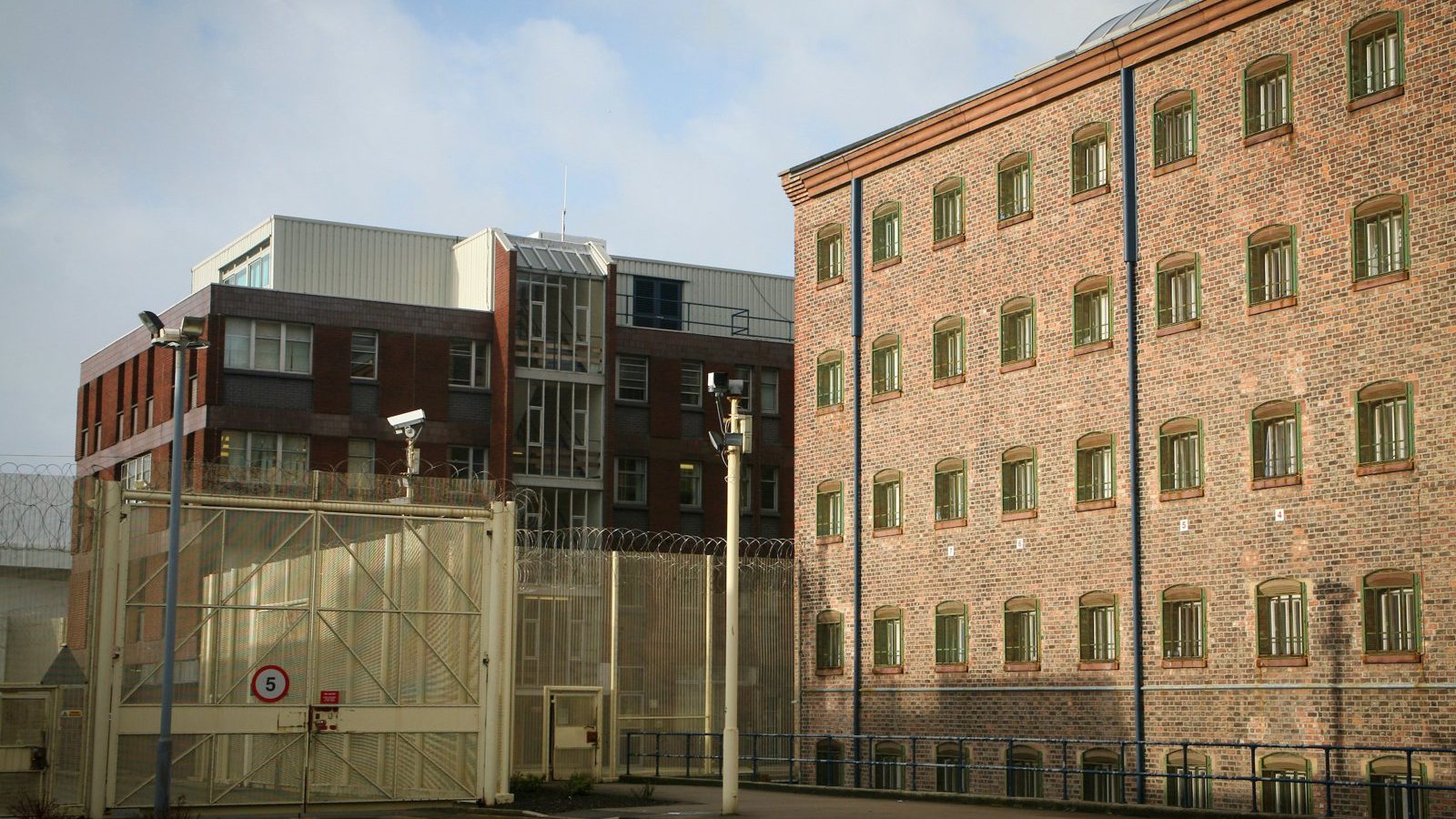
Researchers who studied the renovation of HMP Liverpool have recommended changes to how prison refurbishment works.
The Ministry of Justice (MoJ) commissioned the RAND Group, an international non-profit organisation, to evaluate the work. It also asked the researchers to suggest changes to the programme. Their report is now public.
The refurbishment had three main aims. It set out to bring 350 out-of-use cells back into operation and to upgrade 800 cells judged to be of ‘poor quality’. It also included a new workshop for vocational training and purposeful activity.
The MoJ hoped the work would raise the prison’s operational capacity to 1,150. It also hoped to ease overcrowding, improve safety and living conditions, and reduce pressure on staff.
How the study worked
The evaluation had two parts. The first examined the delivery and implementation of the project. The second looked at the possible economic benefits of refurbishing prisons.
Researchers carried out 38 interviews and held six focus groups. They spoke to prison leaders, staff, prisoners and MoJ stakeholders. They also drew on observation and a prisoner survey carried out in March and April 2025.
The authors said their findings added to the “evidence base on how prison refurbishment is delivered in practice and how it may support prison capacity, decency, safety and rehabilitation within the constraints of an ageing prison estate”.
By the time of the fieldwork, work on three wings containing 429 cells was complete. Work then stopped after the contractor, ISG, went into administration. The project will now finish later than planned.
What prisoners and staff said
Prisoners on refurbished wings generally described their cells as cleaner, brighter and more comfortable. Some reported small but meaningful gains in wellbeing and privacy, and in day-to-day living conditions.
Staff and leaders also saw benefits. They pointed to more standardised cell layouts and improved decency. They also cited better support for some prisoners’ needs and easier management in some areas.
Some staff questioned the quality of parts of the work, including the condition of staff facilities. The report also noted security design features that reduced sightlines and natural light. Later work addressed these.
The economic review found that better physical conditions and less crowding may help in several ways. These could include better prisoner wellbeing and less violence and misconduct. Prisoners might also feel safer and build stronger relationships with staff. However, the evidence was too thin to put a monetary value on most of these benefits.
The authors made four main recommendations. They want better consultation and communication with staff and prisoners during refurbishment planning, to limit disruption. They want accessibility improvements built into refurbishments.
They also called for more communal space where prisoners can spend time together, take part in purposeful activity and relax quietly. Finally, they urged contingency plans for major events such as a contractor going into administration.
The MoJ has not yet responded to the report.
HMP Liverpool is a category B reception prison for men in the North West. At its last full inspection, in November 2025, inspectors rated safety not sufficiently good and purposeful activity poor. They judged respect and preparation for release reasonably good.



