HMP Littlehey felt settled, safe and purposeful, according to HM Inspectorate of Prisons. Chief Inspector of Prisons Charlie Taylor described the visit as “a very encouraging inspection”.
The inspectorate’s report, published in December 2023, followed fieldwork that ended in September 2023. Inspectors rated safety good, the highest grade. They also found too few work and education places, stretched health care and a long list of unfinished repairs.
Littlehey is a large Category C training prison for men near Huntingdon, in the East of England. Its main purpose is to hold adult men convicted of sexual offences. It held 1,226 men during the inspection, against an operational capacity of 1,240.
How the prison was graded
Inspectors judged outcomes good for safety. They rated respect and rehabilitation and release planning reasonably good. They judged purposeful activity, which covers education, work and time out of cell, not sufficiently good.
This was the first full inspection since 2019. Since then, outcomes for respect and purposeful activity had slipped, while rehabilitation and release planning had improved. Safety remained good.
In 2019, inspectors made eight recommendations on areas of key concern. By 2023 the prison had achieved three and not achieved five. This time inspectors raised nine key concerns, four of them priorities.
A safe prison with an older population
The prison manages a significant amount of risk. Some 14% of men were serving life sentences and a further 10% other indeterminate sentences. Around 11% were over 70, and many were in custody for the first time.
Violence was low and most prisoners said they felt safe. Use of force, segregation and self-harm were all low too. New arrivals had a good reception and a satisfactory induction led by peer workers.
Four prisoners had taken their own lives since the 2019 inspection. Mr Taylor called this concerning. He added that the prison was responding to these deaths and achieving recommendations, with more to do on health.
Security measures were proportionate. But many CCTV cameras did not work properly and lights in the grounds were in disrepair. Inspectors made this a priority concern because both posed a threat to security.
Health care and living conditions
Health care services lacked the resources to meet the population’s needs. Staff shortages and weak governance limited the service, as did thin specialist provision such as palliative care. A committed staff group still made sure basic care was available.
Inspectors found serious weaknesses in medicines management. Some medicines were out of date, staff did not record room temperatures and arrangements for disposing of unused medicines were unsafe. So too was the handling of controlled drugs.
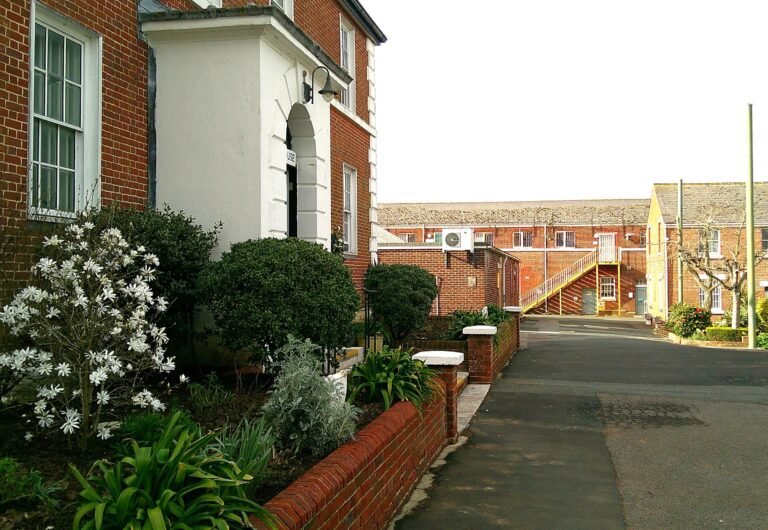
The prison sits in impressive, well-kept grounds, but the quality of accommodation varied greatly. Some facilities were excellent, while others needed major refurbishment. Showers needed upgrading. Repairs to the heating system remained outstanding, as they had at the last inspection.
Staff-prisoner relationships were good. Peer workers helped to make up for weaknesses in the complaints system and in equality work. Inspectors said leaders needed to make better use of data to promote equality.
Work, education and progression
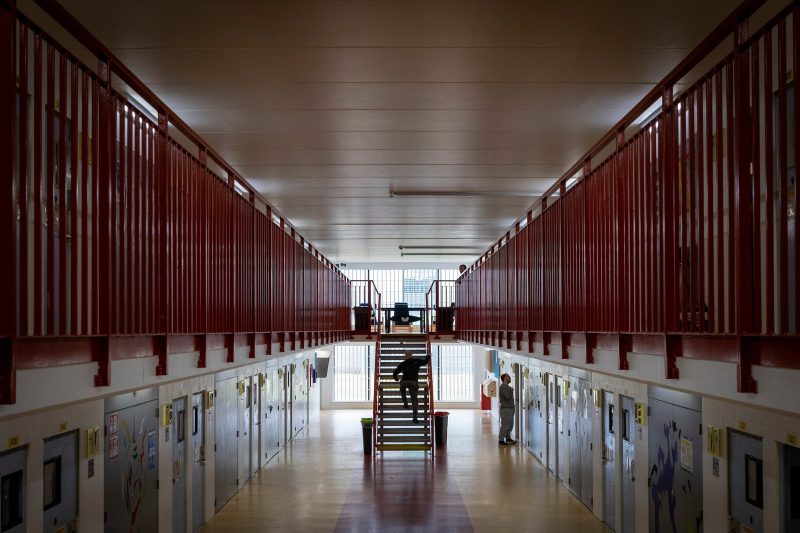
Time out of cell was much better than inspectors often see. A quarter of prisoners spent at least nine hours a day unlocked. Most men also had evening association, time to mix with others outside their cells. However, the prison lacked enough activity places, and 15% of men had no job. That sizeable minority had a much worse experience.
Ofsted, which inspects prison education, graded education, skills and work as requiring improvement. Provision of English and maths fell short of demand, and the prison had no reading strategy. Prisoners valued the gym, and enrichment activities were growing.
Release planning had improved. Staff had properly assessed most risks, and public protection and resettlement work was reasonably good. Contact with offender managers was mostly task-driven, however, and little key work took place. Late allocation of community probation officers delayed handovers before release.
Inspectors listed four examples of notable positive practice. They included a prisoner-produced football magazine that combined exercise and reading, and well-planned family days. M wing, a unit for men serving indeterminate sentences for public protection, also helped men whose progress had stalled.
Mr Taylor credited much of the prison’s energy to the governor’s visible leadership. The prison had a full complement of staff, with low rates of absence and attrition. He wrote that “Leaders should be congratulated for what they had achieved”.
About this story
This story is based on HM Inspectorate of Prisons’ report on HMP Littlehey, published on 4 December 2023, following an inspection that ended in September 2023. All figures and judgements are the inspectorate’s. Read the full inspection report · See the prison’s profile in our directory.