Illicit drugs remained the most pressing challenge at HMP Lindholme, according to HM Inspectorate of Prisons. More than half of prisoners surveyed said drugs were easy to obtain. Random mandatory testing showed a positive rate above 30%.
The inspectorate’s report, published in September 2026, followed fieldwork that ended in June 2026. It linked drug use to at least one death in custody since the previous inspection. Drugs also fuelled debt and bullying, the report said.
Lindholme is a Category C training prison for men in Yorkshire and The Humber. Training prisons aim to give people education, work and courses before release. The site, a former RAF base, held 956 men during the inspection, against an operational capacity of 1,010.
Mixed movement in the grades
Inspectors judged outcomes not sufficiently good for all four healthy prison tests: safety, respect, purposeful activity and preparation for release. Purposeful activity covers education, work and time out of cell.
Compared with 2023, the picture moved in both directions. Safety stayed not sufficiently good. Respect fell from reasonably good. Purposeful activity and rehabilitation and release planning, both rated poor in 2023, each rose by one step.
Inspectors raised 15 key concerns, six of them priorities. The inspectorate had also published an independent review of progress at Lindholme in July 2024, between the two full inspections.
Purposeful activity had improved, but HMP Lindholme was still not functioning well enough as a training prison.
Charlie Taylor, HM Chief Inspector of Prisons
Drugs, violence and self-harm
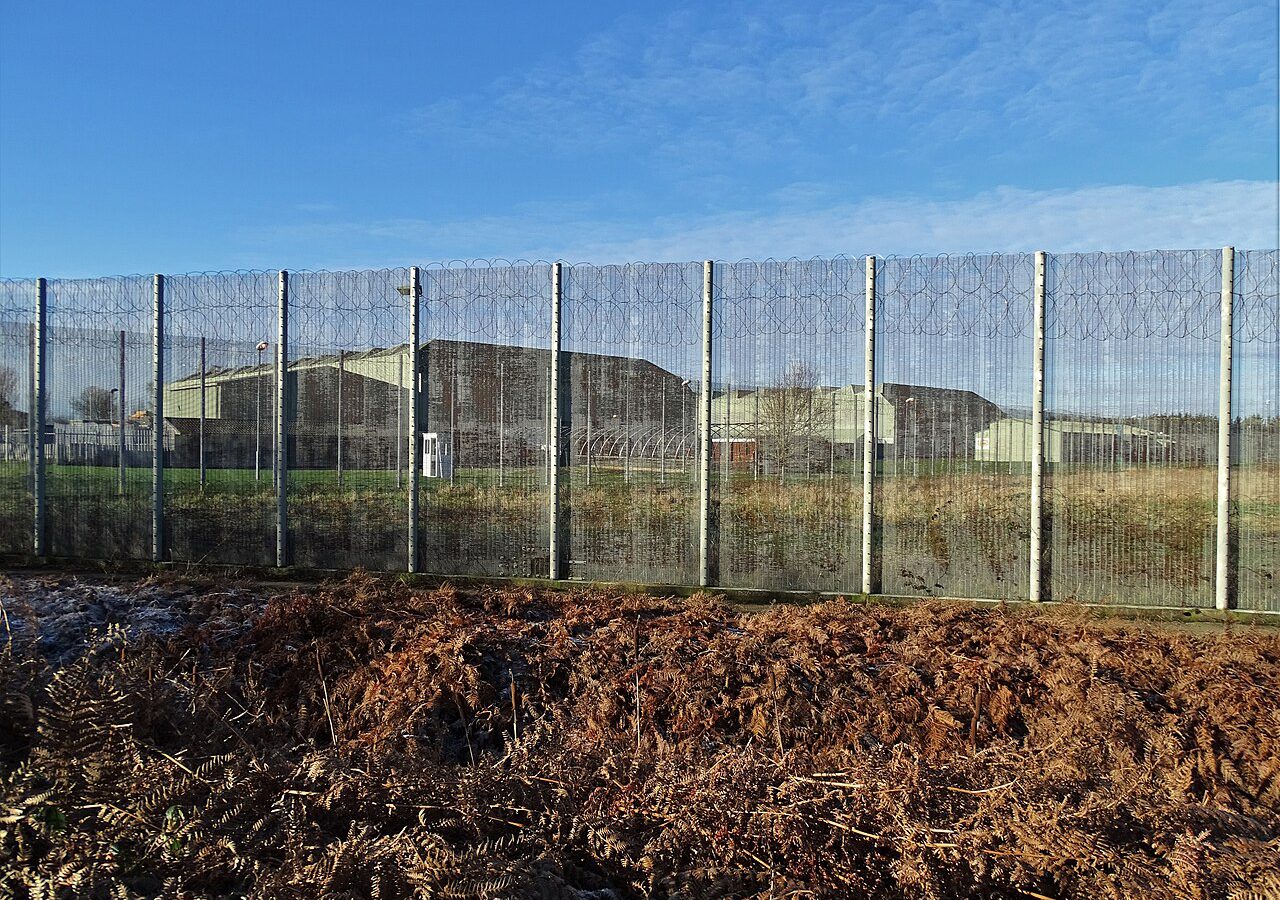
Leaders had responded to the drug problem. They carried out more suspicion testing, improved intelligence and worked closely with the police. Extra staff patrolled the grounds and perimeter to detect drones. Inspectors called these encouraging developments, but said the scale of drug use still undermined safety.
Assaults remained above the average for similar prisons. The prison recorded 292 assaults on prisoners and 118 assaults on staff per 1,000 prisoners in the year to May 2026. The rate had risen since 2023, though it had fallen since autumn 2025. Scrutiny of use of force was limited.
Self-harm was also high, and support for vulnerable men was not always well coordinated. A new safety club, which offered a supportive setting for very vulnerable men, earned recognition as notable positive practice.
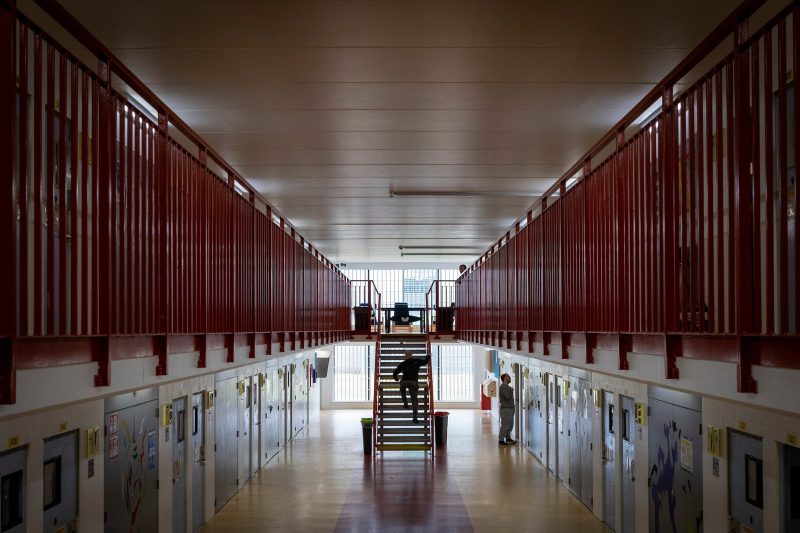
In the inspectorate’s survey, 21% of men said they felt unsafe. On the smaller A to F wings, where men lived on shared spurs and were not locked in cells, the figure was 7%. Inspectors found those units calmer.
Conditions and health care
Relationships between staff and prisoners were reasonable. Living conditions, however, were not good enough. The larger house blocks were often dirty and poorly decorated, some cells lacked ventilation and repairs took too long. Only 17% of men said their first night cell was clean.
Health care varied too much. Patients waited too long for GPs and dentists. More than 300 health care applications awaited a response when inspectors arrived. The Care Quality Commission, which regulates health services, found breaches of regulations. Mental health care was stronger, but hospital transfers under the Mental Health Act still took too long.
Chief Inspector of Prisons Charlie Taylor wrote that prison and health leaders had been complacent about some long-standing problems.
A training prison still falling short
Mr Taylor said Lindholme was “still not functioning well enough as a training prison”. Ofsted, which inspects prison education, judged every area of education, skills and work as requiring improvement.
Leaders had added activity places, broadened the curriculum and built links with employers. They worked with a national waste management firm to design qualifications for its industry. Yet too few men had full-time activity. Attendance and punctuality were poor, and many men on the larger units had only two hours out of cell a day. The gym, by contrast, showed impressive investment.
Release work showed real strengths. Inspectors rated help with bank accounts, ID and jobs among the best they had seen. Family work was thoughtful, including monthly dining events with visitors. The number of men released had risen fourfold since the last inspection.
The offender management unit, however, lacked resources. Contact with prisoners was very limited and public protection work was weak. Many men felt frustrated that they could not complete offence-focused courses.
The governor had been in post for a year. Inspectors credited him with clear expectations, better communication and more visible senior managers. Mr Taylor wrote that inspectors had confidence in leaders and “some optimism” that they could bring about the change needed.
About this story
This story is based on HM Inspectorate of Prisons’ report on HMP Lindholme, published on 1 September 2026, following an inspection that ended in June 2026. All figures and judgements are the inspectorate’s. Read the full inspection report · See the prison’s profile in our directory.