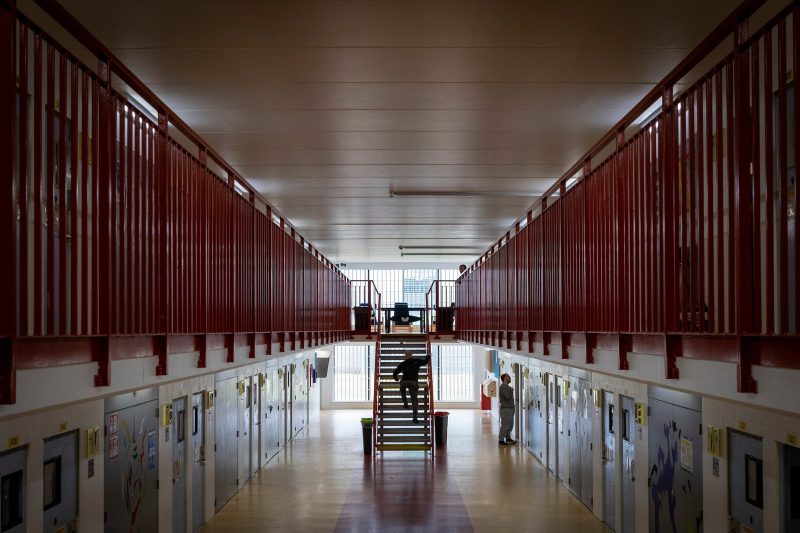
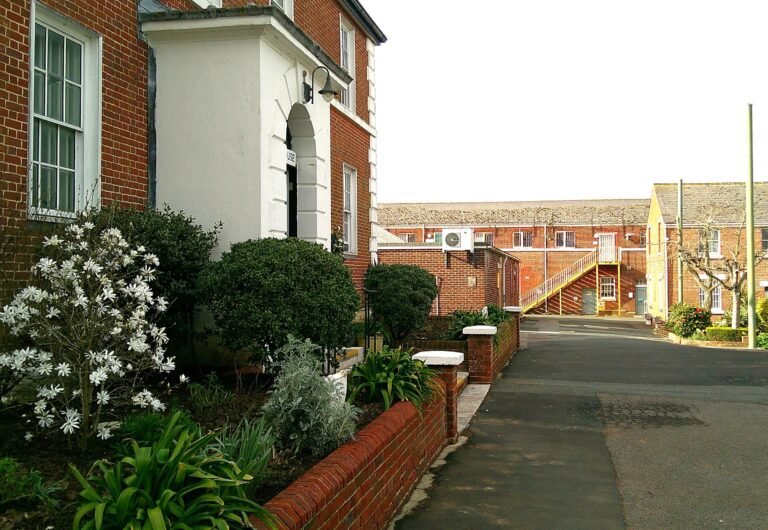
HMP Leyhill continued to show “many of the features that distinguish a good open prison”, according to HM Inspectorate of Prisons. Inspectors rated it good for safety, respect and preparation for release.
The inspectorate’s report, published in October 2026, followed fieldwork that ended in July 2026. It also found that education, skills and work still fell short. Too many men left without a job.
Leyhill is a Category D open prison for men in the South West. Open prisons hold people near the end of their sentences and allow many of them to work or train in the community. It held 455 men during the inspection, against an operational capacity of 488.
Two grades go up
Inspectors judged outcomes good for safety, respect and preparation for release. They rated purposeful activity, which covers education, work and time out of cell, as not sufficiently good.
At the 2023 inspection, purposeful activity scored poor and rehabilitation and release planning scored reasonably good. Both have therefore improved by one step. Safety and respect held at good.
Leaders had fully or partly addressed over three-quarters of the concerns raised in 2023, the report said. This time inspectors raised ten key concerns, two of them priorities. Both priorities related to education and employment.
On our first visit to Leyhill since 2023, we found an institution that continues to evidence many of the features that distinguish a good open prison.
HM Inspectorate of Prisons report
A calm and safe prison
Violence and self-harm were rare. In the 12 months before the inspection, inspectors counted six incidents of violence between prisoners and two assaults on staff.
Use of force had fallen sharply, from 31 incidents to seven. The report linked this to staff no longer routinely handcuffing men being returned to closed conditions. Leaders now based that decision on individual risk. The share of staff up to date with restraint training had risen from 72% to 96%.
The prison had also cut the supply of illicit drugs. Inspectors found security proportionate and effective.
Release on temporary licence, or ROTL, lets prisoners leave the site for work, training or family visits. Prisoners told inspectors that ROTL and the relative freedom at Leyhill gave them strong reasons to behave well.
Early days support was weaker. Free phone calls, canteen purchases and toiletries were not offered consistently on the first night. New arrivals had no chance to speak privately with staff. They also slept in shared dormitories with worn furniture until a single room came free. Peer workers, however, gave good support from the first night onwards.
In the inspectorate’s survey, 88% of prisoners said they felt safe on their first night. That figure was encouraging but worse than at similar prisons.
Leadership stood out. The governor and his team were visible and approachable, the prison was fully staffed and staff retention was good. Leaders used data well and acted quickly when inspectors raised problems, such as the poor state of the reception holding room.
Health care, older men and veterans
The grounds were attractive and well kept, and accommodation was mostly decent. Inspectors noted that prisoners could spend as much free time outdoors as they wished.
Health care was a particular strength, with accessible and generally high-quality services. The report did find gaps in GP oversight. It also found errors in resuscitation records, including missing forms for patients who did not want to be resuscitated.
Support for minority groups was good. Inspectors listed six examples of notable positive practice. They included the Lobster Pot, a drop-in centre for men over 50 and those who were retired or neurodivergent. A memory café and Pilates for men with reduced mobility also featured, as did work with veterans and wellness walks led by PE staff.
Support for disabled prisoners had weaknesses, including poor ways to call for help in an emergency. Leaders acted on this during the inspection.
The gap in education and work
Chief Inspector of Prisons Charlie Taylor wrote that education, skills and work “continued to fall short of what we expect in an open prison”. Prisoners could not reach the full range of training they needed. Too few gained substantive qualifications, and self-employment training was missing.
Workshops recorded skills poorly, so men did not fully understand their progress. Inspectors also found limited digital skills teaching and little learning about extremism and radicalisation.
Some prisoners waited too long for ROTL, often because of slow input from community probation teams. Others felt frustrated by poor communication from the offender management unit about their sentence plans.
Mr Taylor still described Leyhill as a positive and well-run prison. He praised a mobile phone pilot and plans for a prison shop. If leaders tackled the weaknesses, he wrote, the prison would be better placed to fulfil its resettlement role.
About this story
This story is based on HM Inspectorate of Prisons’ report on HMP Leyhill, published on 5 October 2026, following an inspection that ended in July 2026. All figures and judgements are the inspectorate’s. Read the full inspection report · See the prison’s profile in our directory.