HMP Kirklevington Grange was a thriving and innovative open prison, inspectors found, and it earned the top grade of good on all four of the inspectorate’s tests. Its strongest suit was work. Some 60% of men leaving the prison were in employment six months after release.
HM Inspectorate of Prisons published its report in December 2024. Inspectors completed their fieldwork in September 2024.
Kirklevington Grange, near Stockton-on-Tees, is a category D resettlement prison for adult and young adult men. Many are serving lengthy sentences. It held 205 men at the time of the inspection, against an operational capacity of 207. Most came from the north-east of England.
Good across the board
The inspectorate judges every prison against four healthy prison tests: safety, respect, purposeful activity and preparation for release. Purposeful activity covers education, work and time out of cell. Grades run from good through reasonably good and not sufficiently good to poor.
Inspectors rated Kirklevington Grange good on all four. The prison achieved the same result at its previous full inspection, published in January 2020.
At that visit, inspectors made 15 recommendations, two of them about areas of key concern. Both related to purposeful activity, and this time inspectors found the prison had achieved both.
Charlie Taylor, HM Chief Inspector of Prisons, said leaders were still keen to learn from the inspection. He wrote: “Leaders and staff should be proud of their achievements at Kirklevington Grange.” He added that there was no sense the prison would rest on its laurels.
Prisoners were routinely strip searched on entry to the transition (segregation) cells and were isolated there without normal segregation safeguards.
HM Inspectorate of Prisons report
Work, release and community
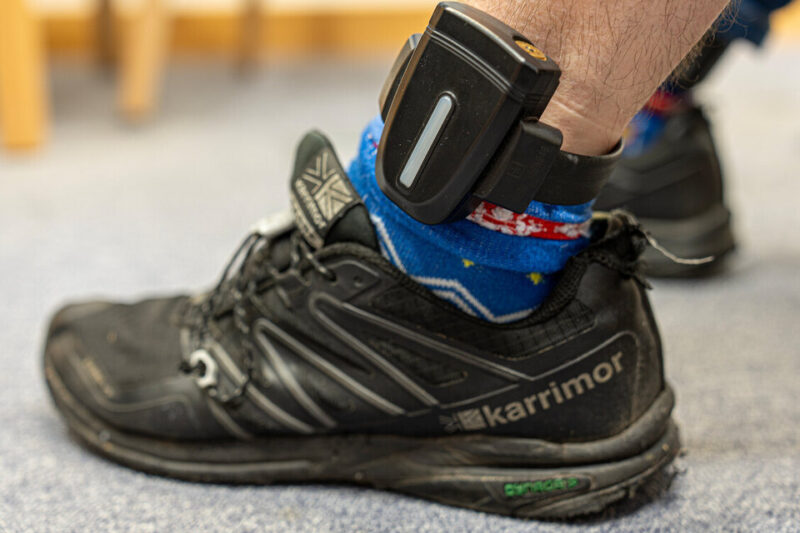
Release on temporary licence, known as ROTL, lets men leave the prison for work, family contact or other purposes. About a quarter of the population went out to work every day under ROTL. The prison had built good links with local employers.
Leaders also used temporary release creatively. Men attended Gambling Anonymous and Narcotics Anonymous meetings and took driving lessons. Prisoners ran a successful café and car wash just outside the main gate. Men nearing the end of their sentences could go on home leave to reconnect with their families.
In the inspectorate’s survey, over three-quarters of prisoners said they were less likely to reoffend because of their time at the prison. Nearly all staff said they understood and supported its priorities.
Education, which Ofsted rated good, took place in the New Directions Centre. The centre also acted as a hub for resettlement and other services. An impressive neurodiversity lead supported prisoners, arranged training for staff and helped more neurodivergent men gain access to ROTL. Experienced reading specialists used phonics to help men build their reading from a low level.
Daily life in the prison
Relationships between staff and prisoners were good. Many experienced officers offered authoritative care and support. Men had clear reasons to behave well, and violence was very rare.
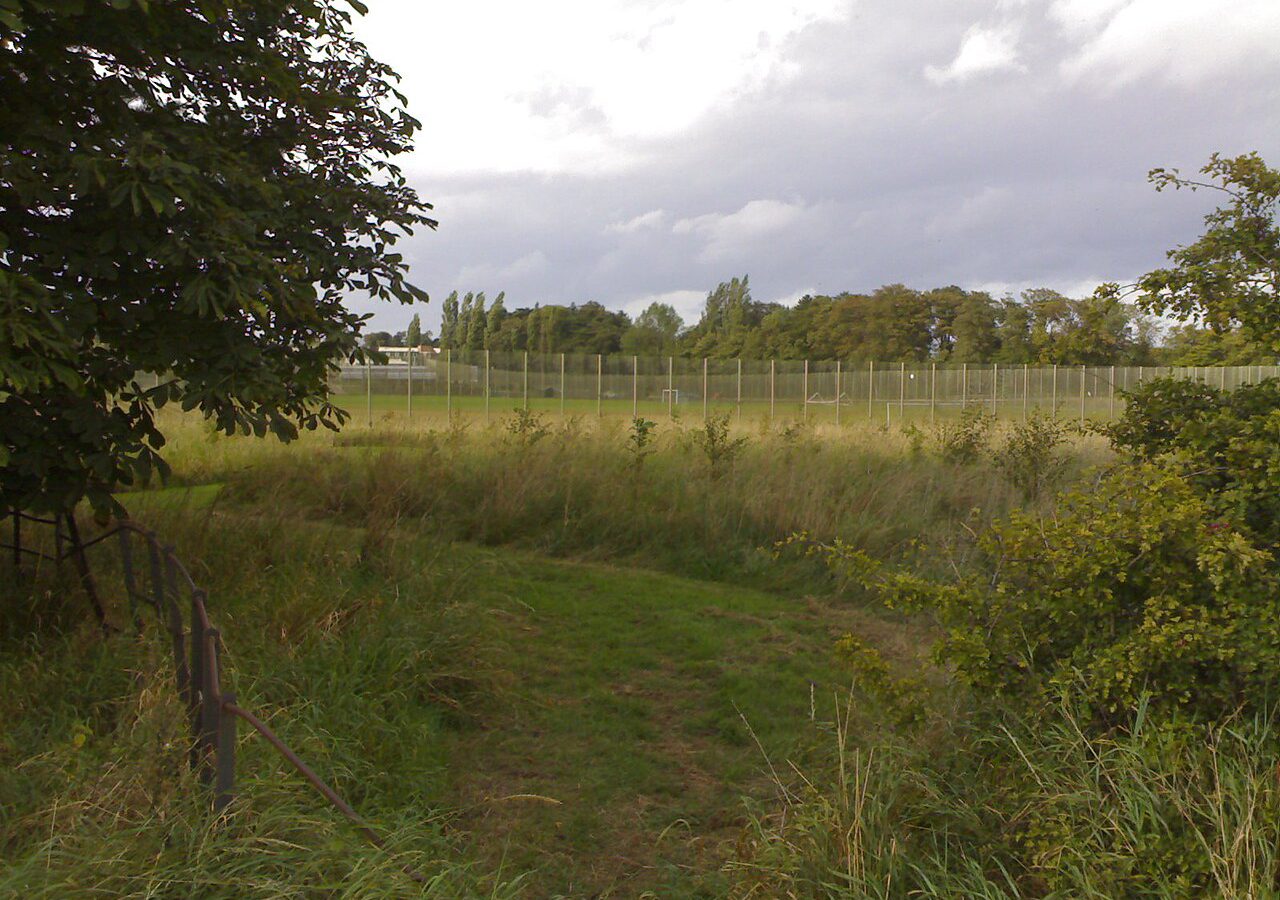
Staff never locked men in their rooms. Most were not locked onto their units until 8pm. Men moved freely around the extensive grounds. Inspectors found an open feel despite what they called unnecessary and imposing fences, which the prison said would cost too much to remove.
Food was well prepared, and 72% of prisoners rated it good. Men ate together in a dining hall with a lively atmosphere, and each washed his own crockery and cutlery. Self-catering facilities, however, were limited, even in the new pod accommodation. Inspectors found this disappointing given the range of vegetables grown in the greenhouses and market gardens.
Health care was well led and of particularly good quality, with very good access to primary care. Staff and prisoners suggested enrichment activities together. During the visit, an imaginative PE instructor ran a sports day for the whole prison community. One officer taught guitar lessons.
Where the prison fell short
The report listed 11 key concerns, three of them priorities. The first stated: “Prisoners were routinely strip searched on entry to the transition (segregation) cells and were isolated there without normal segregation safeguards.” Most men held there were waiting to return to closed conditions. Staff did not always complete health care screening and regular checks.
Inspectors also found weaknesses in ROTL risk management. Standard boards that approved temporary release were not consistently thorough. Prison staff carried out no community spot checks on men on home leave, and prisoners knew it. Inspectors saw no evidence of negative outcomes to date.
Some older wings were cramped, and communal showers and toilets were in poor condition. Cleaning was variable. Staff did not routinely use body-worn cameras, and oversight of force was not robust enough.
Illicit drug use was increasing, and few actions came out of poorly attended drug strategy meetings. Prisoners in cleaning jobs generally worked only three hours a day. A relatively high number of men went back to closed conditions, and the paperwork did not always show defensible decisions.
The prison was almost fully staffed, and staff retention was very good. The prison service plans to build three more accommodation units, adding 152 places.
About this story
This story is based on HM Inspectorate of Prisons’ report on HMP Kirklevington Grange, published on 2 December 2024, following an inspection that ended in September 2024. All figures and judgements are the inspectorate’s. Read the full inspection report · See the prison’s profile in our directory.