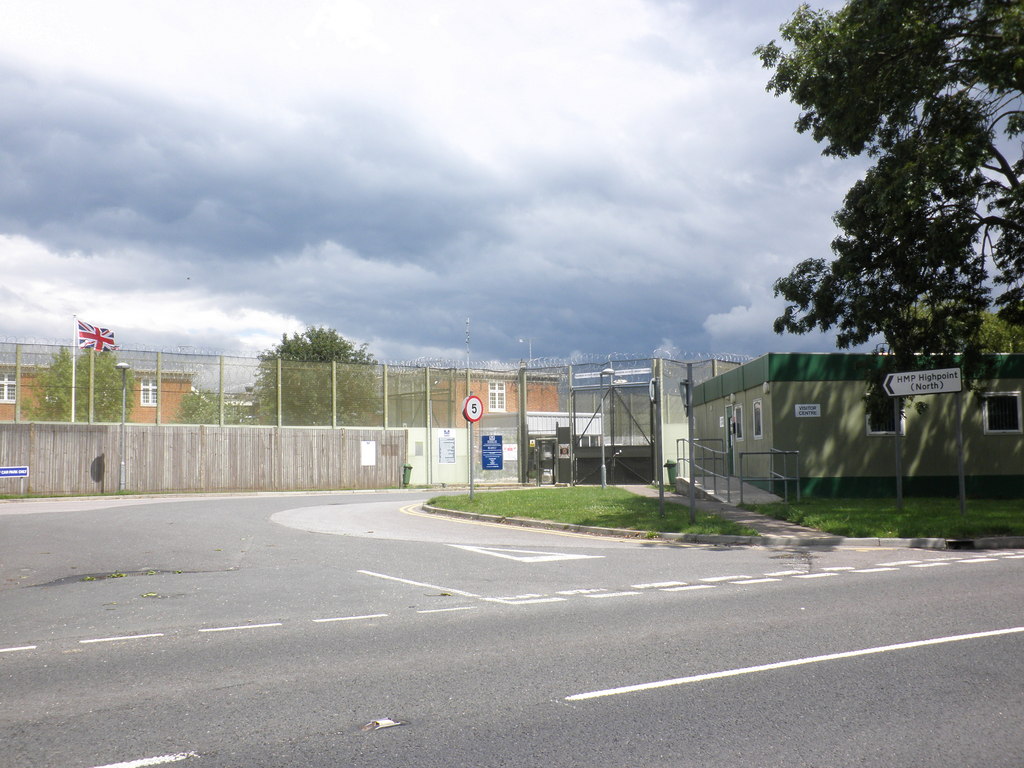
HMP Highpoint failed for a third inspection in a row to put in place many of the basics of rehabilitation and release planning. That was the main warning in a report by HM Inspectorate of Prisons, published in January 2020.
Yet the same report painted a largely positive picture of the Suffolk jail. Inspectors found a strong ethos, excellent relationships between staff and prisoners, and decent living conditions. They raised the prison’s grade for respect to good.
Inspectors visited the category C training and resettlement prison between 12 and 23 August 2019. The report described weaknesses in public protection work as serious and called for urgent action.
How inspectors graded the prison
The inspectorate assesses prisons against four healthy prison tests. At the time, these were safety, respect, purposeful activity, and rehabilitation and release planning. Purposeful activity covers education, work and time out of cell. Rehabilitation and release planning covers family ties, offender management, public protection and preparation for release.
At Highpoint, inspectors judged safety reasonably good and respect good. They rated purposeful activity reasonably good. Rehabilitation and release planning remained not sufficiently good.
Compared with the previous inspection in 2015, outcomes stayed the same in three areas. Respect improved from reasonably good to good. Release planning, then called resettlement, had also fallen short in 2015 and at the inspection before that, in 2012.
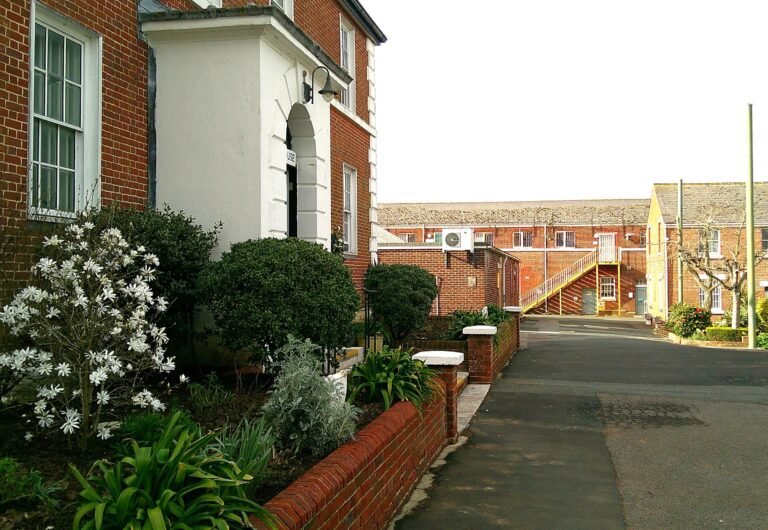
At the time of the inspection, Highpoint held 1,280 men against an operational capacity of 1,325. It was one of the biggest category C training prisons in the country and occupied two sites on a former RAF base. Almost all prisoners were serving more than four years. Some 17% were foreign nationals and 18% were under 25.
It was concerning to find that for the third successive inspection many of the fundamentals of rehabilitation and release planning were not in place.
Peter Clarke, HM Chief Inspector of Prisons
A positive ethos
HM Chief Inspector of Prisons Peter Clarke credited the prison’s ethos for much of what inspectors saw. He wrote that strong relationships between staff and prisoners had created a collaborative environment focused on a safe, decent and purposeful community.
Senior leaders were visible and closely involved in checking standards. Within a three-week cycle, a member of the senior leadership team checked every one of the prison’s 1,181 cells. In the inspectorate’s survey, 58% of prisoners said they regularly saw senior leaders talking to prisoners. The figure for similar prisons was 10%.
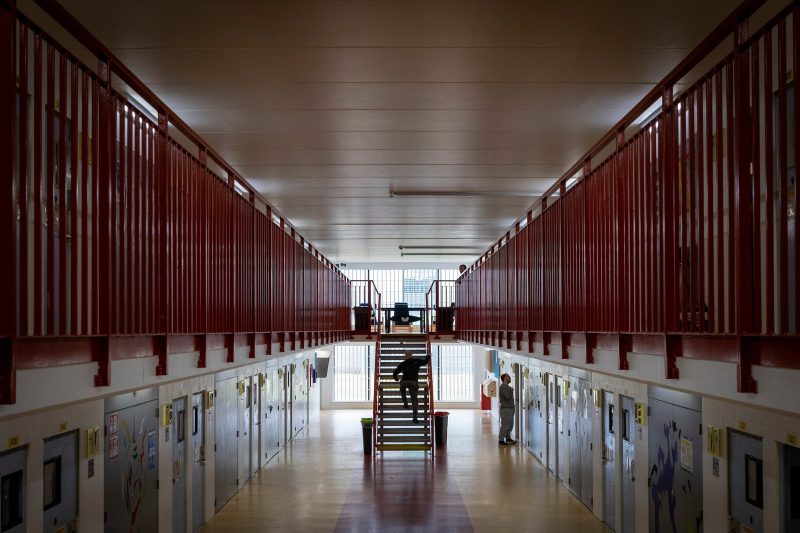
The good grade for respect reflected excellent relationships, decent living conditions and high levels of cleanliness. The Chief Inspector of Prisons said the atmosphere and freedom of movement in many parts of the jail made it easy to forget it was not an open prison.
Almost all prisoners had reached the enhanced level of the incentives scheme. Some units operated, in effect, as open units, which inspectors described as exceptional.
Drugs and purposeful activity
Safety remained reasonably good, but drugs posed a continuing problem. Over a third of prisoners told inspectors that drugs were easy to get. Some 13% said they had developed a drug habit since arriving at Highpoint.
The report linked illicit drugs to violence and debt. It said the prison needed to reinvigorate its strategy to cut supply. Inspectors wanted more drug testing where staff suspected use, better searching of mail and greater use of technology.
Purposeful activity was a relative strength. Inspectors found just 10% of prisoners locked in their cells during the working day. At comparable prisons, the figure had stood at around 40%. One inspector told the Chief Inspector of Prisons that it did not feel as if a minute was wasted.
The number of activity places had risen since 2015, but the prison needed more full-time places. Attendance and punctuality were not consistently good enough. Ofsted, which inspects prison education, judged that education, skills and work required improvement. It wanted more focus on English, mathematics and support for those with learning difficulties.
Gaps in public protection
The report reserved its strongest criticism for rehabilitation and release planning. Peter Clarke wrote: “It was concerning to find that for the third successive inspection many of the fundamentals of rehabilitation and release planning were not in place.”
Around half of the population presented a high risk of harm, and some 150 men had links to organised crime groups. Despite this, inspectors found serious weaknesses in work to protect the public. Too many OASys risk assessments had become out of date. The prison had too few probation officers to manage high-risk prisoners.
Communication between offender supervisors in the prison and offender managers in the community was poor. The prison had no reliable process to review every high-risk prisoner approaching release. Weaknesses in basic public protection work could potentially allow contact between prisoners and victims.
At the 2015 inspection, the inspectorate had made 62 recommendations. Highpoint had since achieved 29 and partly achieved three. It had not achieved 29.
Despite the failings, the Chief Inspector of Prisons called this a very encouraging inspection of “a prison that has found a way of treating high risk prisoners with respect in decent surroundings”. He said work remained on violence, drugs and resettlement. Given the prison’s solid foundations, he saw no reason why it could not make the improvements needed.
Later inspections
Inspectors have reported on Highpoint again since, with full inspections published in January 2024 and October 2026. This article covers the report published in January 2020.
About this story
This story is based on HM Inspectorate of Prisons’ report on HMP Highpoint, published on 22 January 2020, following an inspection that ended in August 2019. It covers an earlier inspection: the prison’s profile has the latest findings. All figures and judgements are the inspectorate’s. Read the full inspection report · See the prison’s profile in our directory.