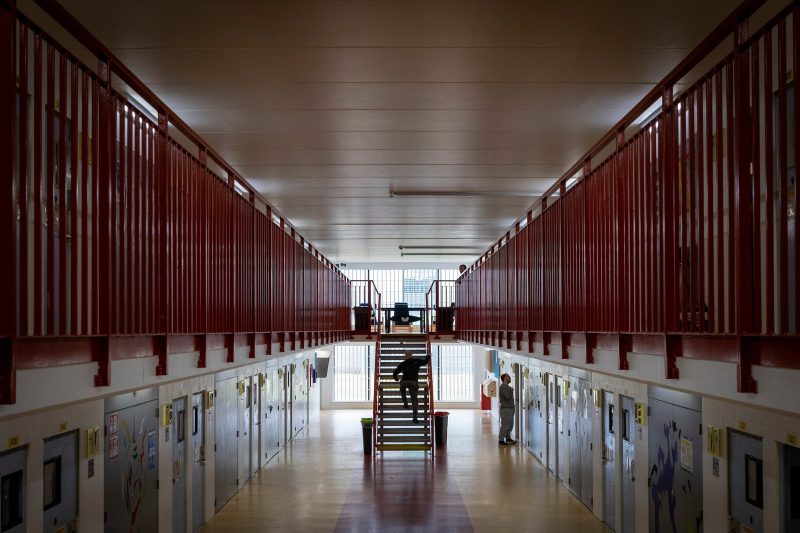
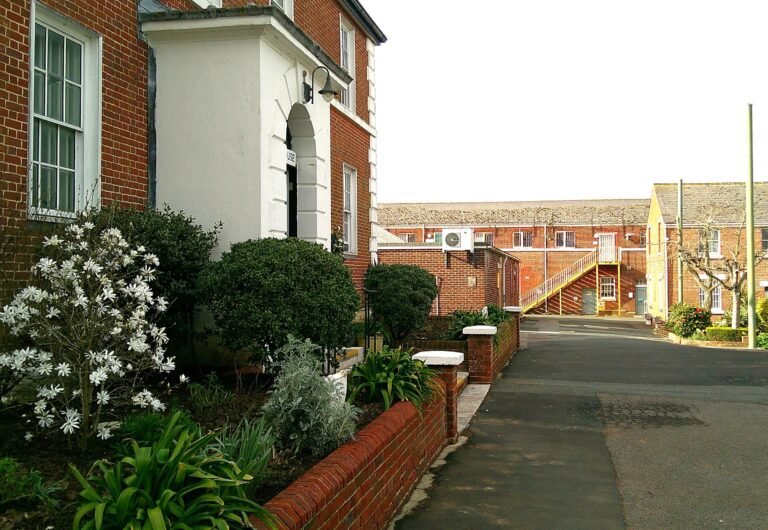
HMP Forest Bank had some of the highest levels of prisoner-on-prisoner assaults of any jail in the country, according to an inspection report published in March 2025.
Inspectors visited the Salford reception prison, run by Sodexo Justice Services, in December 2024. They found the jail had made progress under an experienced and capable director since 2022. Assaults on staff were relatively low.
However, Charlie Taylor, HM Chief Inspector of Prisons, described Forest Bank as a fragile prison. He said it held a risky and complex population, with an inexperienced staff team and the “ever-present threat of drugs”.
Grades and population pressure
Forest Bank scored not sufficiently good for safety and for purposeful activity, which covers education, work and time out of cell. It rated reasonably good for respect and for preparation for release.
Purposeful activity rose from poor at the previous full inspection, published in May 2022. Of 11 key recommendations from that visit, the prison had achieved five. It had met all four on purposeful activity but made little headway on safety. The inspectorate also published an independent review of progress in February 2023.
The north-west of England sat at the centre of the national prison population crisis, and Forest Bank bore much of the strain. In one month, the prison recorded over 2,500 movements of prisoners. It received an average of 512 new arrivals each month.
At the time of the visit, it held 1,463 men against an operational capacity of 1,470. Remanded or unsentenced men made up 55% of the population. Many stayed for long periods in small, overcrowded cells.
Without this, progress at Forest Bank – a fragile prison with a risky and complex population, an inexperienced staff team and the ever-present threat of drugs – could easily be reversed.
Charlie Taylor, HM Chief Inspector of Prisons
Violence, drugs and rule-breaking
Inspectors listed high violence and the number of men who felt unsafe among five priority concerns. The Chief Inspector of Prisons called drugs the biggest challenge facing the prison. Positive drug tests remained very high.
Leaders had done some good work to restrict supply, yet too many illicit items still got in. A new drug-free living wing had opened but did not yet offer the kind of programmes that help men recover from addiction.
Staff and prisoners often got on very well. Even so, inspectors came across examples of officers being abusive to prisoners or ignoring reasonable requests. Too much low-level rule-breaking went unchallenged, and good behaviour earned too few incentives.
Prisoners lacked confidence in the complaints process, including on allegations about staff. Body-worn cameras recorded too few use-of-force incidents, and leaders scrutinised too few.
Inspectors also praised mediation run by a manager and trained peer workers. They found several cases where it had prevented further violence.
Time out of cell and health care
The regime had improved. Men in part-time work could spend up to eight hours a day unlocked. Unemployed men got around 4.5 hours, better than at most similar jails. Leaders had also built good links with local employers to help more men find work on release.
Delays in induction slowed allocation to work and education, leaving too many men unemployed. Much workshop activity involved mundane tasks. Men on the vulnerable prisoner wings, which hold those at risk from others, had fewer options and more cancelled activities.
Early days in custody needed work. New arrivals often waited too long in a bleak reception unit, then reached a poorly equipped induction wing late.
Patients could not reach emergency care at outside hospitals within expected timeframes. Too few officers were available for escort duties, which caused unacceptable delays for some acute and potentially life-threatening conditions. Self-harm also remained high, and leaders did not use data well to spot emerging patterns.
Contract uncertainty
The Chief Inspector of Prisons criticised the Ministry of Justice for failing to retender the contract to run the jail on time. Officials had expected to name the winner in July 2024, but there was still no news by December.
Sodexo was entering a six-month extension at the time. The director had worked hard to keep a business as usual approach, but the delay held up recruitment and some investment.
The Chief Inspector of Prisons said the prison service would need to ensure a smooth handover if a new provider took over. Without that, he warned, the prison could easily slip back.
Inspectors raised 15 key concerns in total. They also found four examples of notable positive practice, including robust public protection work and a new resettlement hub that brought services together in one unit.
About this story
This story is based on HM Inspectorate of Prisons’ report on HMP Forest Bank, published on 24 March 2025, following an inspection that ended in December 2024. All figures and judgements are the inspectorate’s. Read the full inspection report · See the prison’s profile in our directory.