HMP Featherstone had made significant improvements since its previous inspection, according to a report published in February 2019. Inspectors found measurable progress in all four areas they assess. HM Chief Inspector of Prisons Peter Clarke wrote: “The key message of this inspection was one of improvement.”
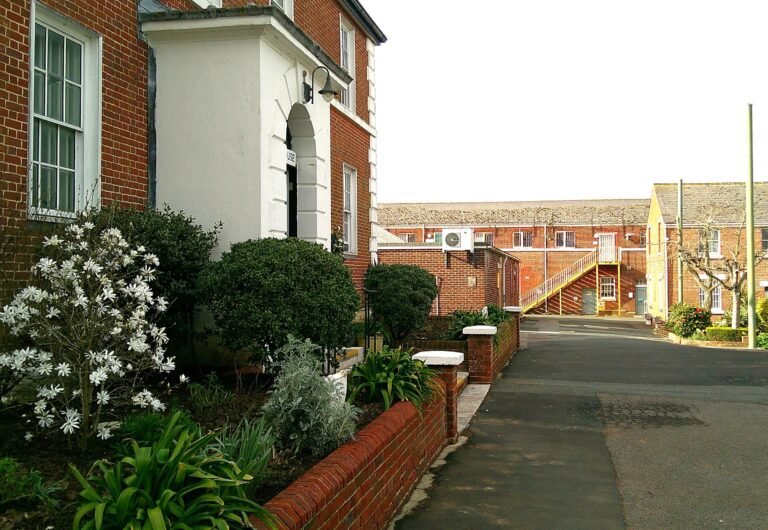
Featherstone is a category C training and resettlement prison near Wolverhampton. It held 607 men when inspectors visited between 1 and 5 October 2018. Most were serving more than two years, and usually much longer. About 170 men were serving over 10 years or life. A third were serving sentences for violent offences.
Mr Clarke said the prison had come a considerable distance in a relatively brief time. He added: “The governor, managers and the whole staff group should be congratulated for what they were achieving.”
How the prison was graded
Inspectors judge every prison against four healthy prison tests. These are safety, respect, purposeful activity, and rehabilitation and release planning. Purposeful activity covers education, work and time out of cell.
At the previous inspection in 2016, inspectors found very poor outcomes in safety. The other three areas were not sufficiently good. In 2018 the report found outcomes reasonably good for respect, purposeful activity, and rehabilitation and release planning. Safety improved too, but remained not sufficiently good.
Of 82 recommendations made in 2016, the prison had achieved 47 and partly achieved four. It had not achieved the remaining 31.
The key message of this inspection was one of improvement.
Peter Clarke, HM Chief Inspector of Prisons
Safer, but not safe enough
About a quarter of prisoners in the survey said they still felt unsafe, and violence remained high. But violence was falling, and recently quite sharply. Leaders had introduced a range of measures to tackle violence and its causes, with encouraging early results.
Illicit drugs remained one of the prison’s biggest challenges. In the survey, 61% of prisoners said drugs were easy to get, and 24% said they had developed a drug problem at the prison. Mr Clarke called the prison’s response impressive, with active, intelligence-led measures that were starting to make an impact. Inspectors urged leaders to sustain this work.
Use of force remained high, but supervision and accountability were good. Segregation was more limited and usually short. The unit itself was run down, though staff managed and cared for the men there well.
Recorded self-harm had risen sizably, but relatively few prisoners accounted for a disproportionate share of incidents. Inspectors judged care for those in crisis good overall. Several prisoners had died since the last inspection, one confirmed as having taken his own life.
Staff, conditions and a busy regime
Relationships between staff and prisoners were now good. Around 45% of officers had less than 12 months’ service, but supervisors and managers supported them well. Most prisoners said they felt respected. Wings were calm and ordered, and staff had the confidence to challenge poor behaviour.
Much of the site needed refurbishment, but living conditions had improved. Cells were cleaner and properly equipped. Prisoners disliked the food, and the systems for applications and complaints needed to improve. Consultation with prisoners was good, and health services were reasonably good. Work on equality and diversity was better than inspectors usually see.
A much more purposeful regime underpinned the prison’s progress. Over three-quarters of prisoners took part in activities, and only 29 had no allocated activity. Allocation worked well and took proper account of each man’s needs. Spot checks found just 12% of prisoners locked up during the working day. Teaching in education and vocational training was effective, and achievement rates were high. Ofsted rated the overall effectiveness of provision as good.
However, many men had low skills in English and maths. Of those assessed on arrival, 70% had English skills and 61% had maths skills below level 1. Frequent late arrival at activities undermined the work ethic.
Release planning and later reports
A Barnardo’s family engagement worker had recently joined to help men keep family ties. The visits hall, however, was shabby, and visits did not always start on time. Public protection arrangements were sound. Offender supervision was reasonable, and fewer men lacked an up-to-date risk assessment. Inspectors wanted better strategic management of work to reduce reoffending, given the high risk many men posed. They also called for more accredited offending behaviour programmes to help men reduce their risk and progress.
Inspectors have reported on the prison again since, with full inspections published in August 2022 and January 2026. An independent review of progress followed in July 2026.
About this story
This story is based on HM Inspectorate of Prisons’ report on HMP Featherstone, published on 7 February 2019, following an inspection that ended in October 2018. It covers an earlier inspection: the prison’s profile has the latest findings. All figures and judgements are the inspectorate’s. Read the full inspection report · See the prison’s profile in our directory.