
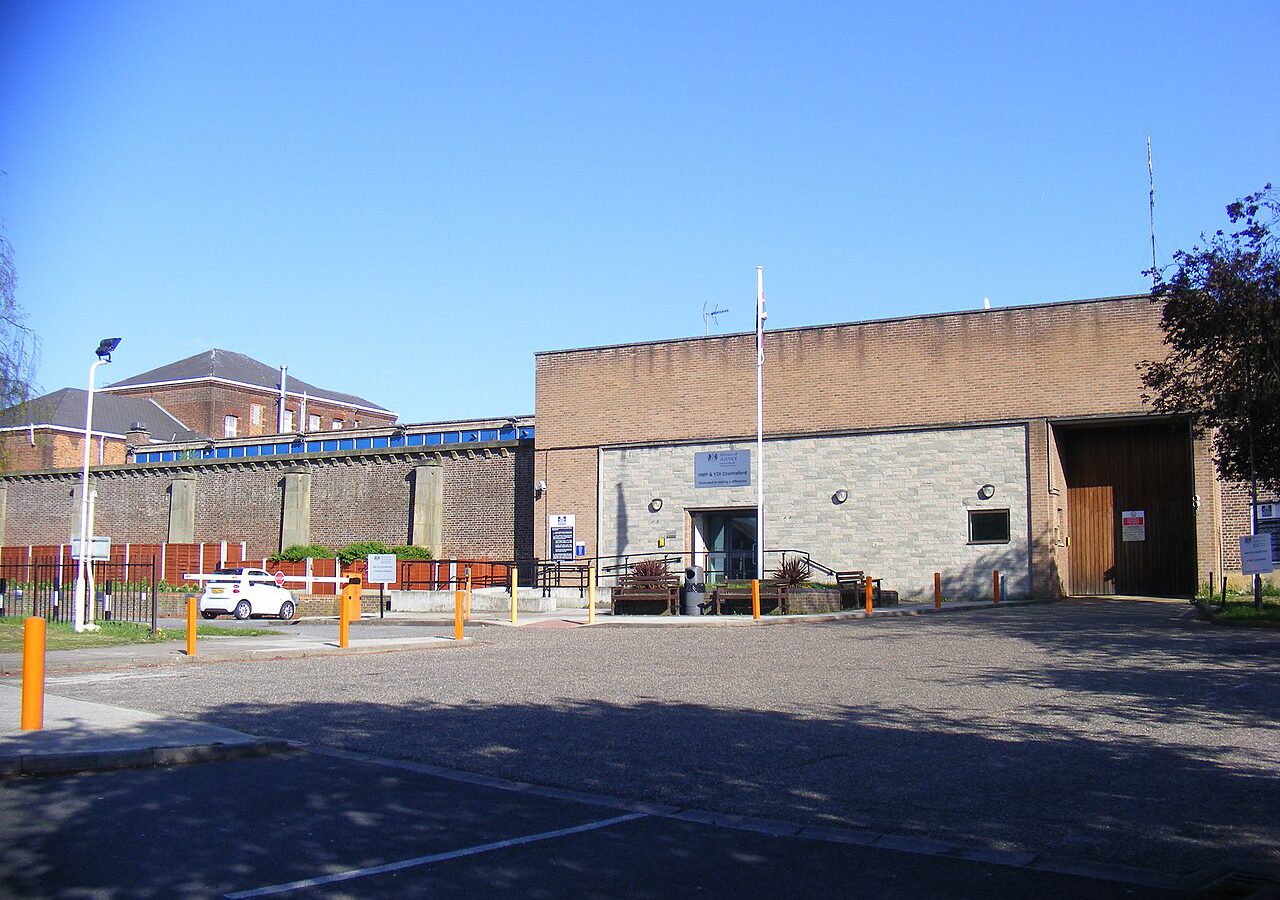
HMP Chelmsford had become safer, more supportive and better led than most reception prisons, HM Inspectorate of Prisons found. The finding marks a sharp turnaround for a jail that once prompted an Urgent Notification.
The inspectorate’s report, published in October 2026, followed fieldwork that ended in July 2026. Inspectors found that earlier gains had lasted and that leaders had built on them.
Chelmsford is a category B reception prison for men in Essex. It receives men from local courts and releases others back to the community. It held 661 men at the time of the inspection, one more than its operational capacity of 660.
From Urgent Notification to steady progress
In August 2021 the Chief Inspector of Prisons issued an Urgent Notification on Chelmsford. That formal step tells the Justice Secretary of urgent and significant concerns, and the government must respond publicly within 28 days.
The full inspection report that followed, published in November 2021, rated safety and purposeful activity poor. The inspectorate then carried out an independent review of progress, published in October 2022. That follow-up visit checks how far a prison has acted on earlier concerns.
The inspectorate assesses prisons against four healthy prison tests: safety, respect, purposeful activity and preparation for release. Purposeful activity covers education, work and time out of cell. Each test receives one of four grades: good, reasonably good, not sufficiently good or poor.
At the inspection published in May 2024, Chelmsford scored not sufficiently good on all four tests. This time inspectors rated safety and preparation for release reasonably good. Respect and purposeful activity stayed not sufficiently good.
Inspectors raised 15 key concerns. They also recorded eight examples of notable positive practice, from the reading strategy to links with Essex Police and Essex County Fire and Rescue Service.
Charlie Taylor, HM Chief Inspector of Prisons, said the governor and his staff “should be congratulated” for strengthening the prison. He said he left “confident that there is scope for further progress in the future”.
The governor and his staff should be congratulated for the work they have done to strengthen provision in a prison that has all the many challenges faced by similar jails.
Charlie Taylor, HM Chief Inspector of Prisons
Less violence, fewer drugs
Violence had fallen and now sat below the average for similar prisons. Assaults on staff had dropped by 26%, assaults on prisoners by 17% and fights by 24%. The safety team interviewed all new arrivals and investigated every violent incident.
Leaders had consulted prisoners to design an imaginative range of incentives for good behaviour. These included the chance of an enhanced family visit.
Leaders had worked hard to reduce the supply of drugs. Inspectors praised an excellent drug strategy, and drug finds had more than doubled. In random tests, 16% came back positive, a far lower rate than at most similar jails.
Self-harm had fallen by 23%. The safety team visited every new prisoner on their second day, and a local training package helped staff spot and reduce the risk of self-harm. But the rate of self-harm remained higher than at similar prisons. Observation panels in some cells used for constant supervision were too small.
Inspectors did find some low-level poor behaviour that staff often left unchallenged. Oversight of separation, where men are kept apart from others, was not strong enough.
Health care and fair treatment
Health care, a concern at the last inspection, still suffered from longstanding governance problems. Primary care was generally good. But men missed too many hospital appointments because no escort was available, and supervision of medicines administration remained poor.
The mental health team could not meet the high demand. Patients waited too long for transfer to hospital under the Mental Health Act. Some men referred to the psychosocial substance misuse service left prison before anyone assessed them.
Relationships between officers and prisoners were generally good. Better retention meant a more experienced team. Key work, in which an officer spends regular one-to-one time with a prisoner, was poor in both amount and quality.
Over half of prisoners shared cells designed for one, and many of these were extremely cramped. Leaders had prioritised cleanliness and repairs and took deteriorating cells out of use quickly.
The prison did not do enough for disabled prisoners, younger men or those on the vulnerable prisoner wing. Some disabled men had broken wheelchairs. Men on the vulnerable prisoner wing lacked fair access to activities and cooking facilities.
Time out of cell and preparing for release
Around a third of men in full-time work spent more than seven hours a day unlocked. For most, though, time out of cell was not good enough. The prison lacked enough activity places, and unemployed men got just two hours a day out of their cells.
From Friday to Sunday the regime was poor, with many men locked up for around 22 hours a day. Delays in roll checks often made men late for education or work.
Reading was a strength. Inspectors found impressive provision across the jail, with the library at the heart of prison life.
The prison ran an extensive range of initiatives to help men stay in touch with their families. However, remand prisoners received only one visit a week, short of their full entitlement.
An innovative resettlement centre offered help with housing, drug treatment and employment to men about to leave. Management of higher-risk men on release had improved.
Monitoring of phone calls remained a weakness, including for men barred from contact with children. Inspectors had raised this at the last two inspections. Around 20% of the population had been recalled to prison, but they had limited contact with the offender management unit.
About this story
This story is based on HM Inspectorate of Prisons’ report on HMP & YOI Chelmsford, published on 20 October 2026, following an inspection that ended in July 2026. All figures and judgements are the inspectorate’s. Read the full inspection report · See the prison’s profile in our directory.



