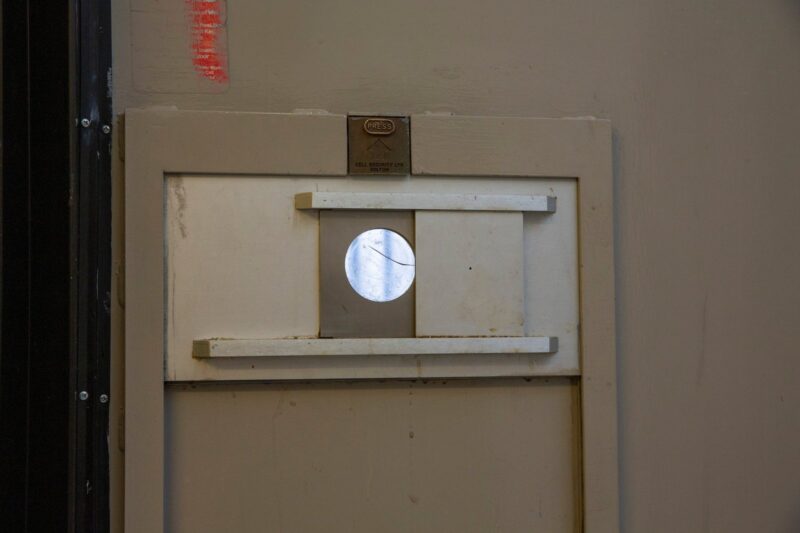
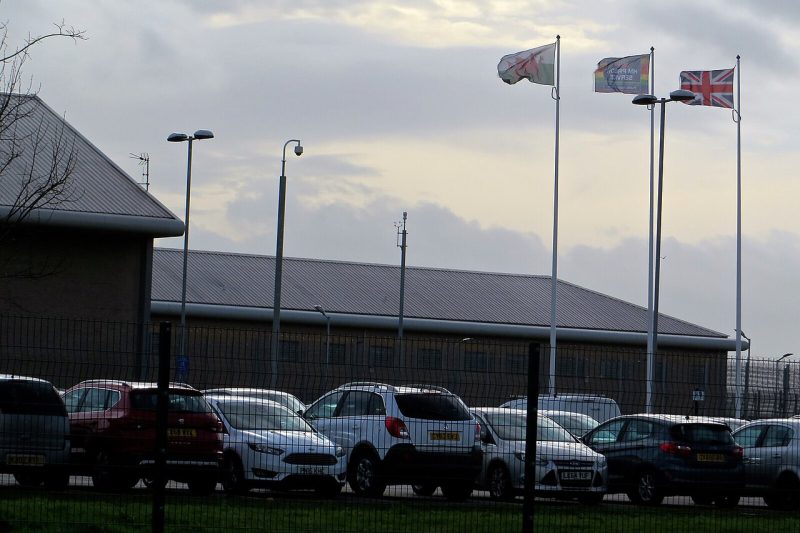
Illicit drugs, mostly flown in by drones, were driving violence, debt and bullying at HMP Bullingdon, according to HM Inspectorate of Prisons. Inspectors found that outcomes had worsened in several areas since their previous visit.
The inspectorate’s report, published in October 2025, followed fieldwork that ended in August 2025. It said the Oxfordshire prison had not made enough progress since the last inspection in 2022, despite the efforts of leaders and staff.
Bullingdon is a reception and resettlement prison for adult men. It takes men from local courts, including many who have not yet been sentenced, and releases others back into the community. It held 1,102 men at the time of the inspection, against an operational capacity of 1,112.
The population changes quickly. Over the previous year the prison received an average of 436 new arrivals a month, and around 200 men left each month on release.
How inspectors graded Bullingdon
The inspectorate assesses prisons against four healthy prison tests: safety, respect, purposeful activity and preparation for release. Purposeful activity covers education, work and time out of cell. Each test receives one of four grades: good, reasonably good, not sufficiently good or poor.
Inspectors rated Bullingdon poor for purposeful activity. They judged safety, respect and preparation for release not sufficiently good.
At the previous full inspection, published in February 2023, inspectors had rated safety and respect reasonably good. Both have now fallen a grade. Purposeful activity stayed poor, and release planning stayed not sufficiently good.
Inspectors raised 12 concerns in 2022, five of them priorities. This time they found one partly addressed and 11 not fully addressed. The prison had achieved none in safety, purposeful activity or preparation for release.
The new report sets out 14 key concerns, six of them priorities. The inspectorate later carried out an independent review of progress at Bullingdon, published in May 2026. That follow-up visit checks how far a prison has acted on the main concerns from its last full inspection.
Bullingdon is a prison with potential but significant and persistent challenges have undermined its ability to deliver safe, respectful and rehabilitative outcomes for prisoners.
Charlie Taylor, HM Chief Inspector of Prisons
Drones, drugs and violence
Drones formed the main route for drugs into the prison. Inspectors said physical security had failed to keep pace with the threat. They added that national leaders in HM Prison and Probation Service had not done enough to help counter it.
The positive rate in mandatory drug tests stood at 43.2%, one of the highest among reception prisons. Inspectors frequently smelt cannabis on the wings.
Violence had risen by 27% since the last inspection. The safety team had tried to understand the causes, which ranged from gang activity to boredom. But that work had not led to effective management of behaviour.
The safety team’s work to learn about gang members, and its gang awareness training for staff, earned a mention as notable positive practice. Even so, use of force had risen sharply. Some incidents lacked evidence that staff had tried to calm things down first or had acted proportionately.
Delays in reviewing body-worn camera footage weakened accountability, as did inconsistent practice in adjudications, the prison’s internal disciplinary hearings. The segregation unit was in poor condition and offered little more than a basic regime.
The first days in custody also caused concern. Many men waited hours for transport from nearby courts. Some reached the first night centre in the early hours of the morning, and inspectors saw waits of up to four hours in reception.
Relationships, regime and health care
Relationships between staff and prisoners were not good enough. Some officers tried hard, but key work, which gives each man regular one-to-one time with an officer, was too limited. Many interactions were transactional.
The limited regime made matters worse. Over half the population was locked up during the working day. Inspectors said too few men had anything meaningful to occupy them.
Staff shortages affected all areas of the prison, including the gym, education and health care. Leaders had extended training and introduced mentoring for new officers, and the previously high rate of recruits leaving had improved. About 30% of new officers came from overseas. Inspectors warned that changes to visa sponsorship rules were likely to make recruitment harder.
The health care partnership had failed to tackle several longstanding problems that affected patient safety. Medication hatches still had no staff supervision. Care on the inpatient unit also fell short, with inadequate monitoring of patients’ nutrition and hydration.
Leaders made good use of Launchpad, in-cell technology that lets men contact staff and read information from their cells. Prisoners could now contact the safety team privately. Inspectors recorded this as notable positive practice.
Education, work and release
Ofsted, which inspects prison education, graded the overall effectiveness of education, skills and work as inadequate, its lowest grade. Attendance was low. The curriculum did not meet the needs of the many unsentenced and short-stay prisoners.
There were enough activity places for most of the population, but too many men stayed unemployed and places went unused. Those in work often failed to develop useful skills or gain qualifications. Support for reading was patchy.
Many men had little contact with their offender managers, who oversee sentence plans and risk. Sentence planning was often late or superficial. Public protection arrangements were weak, with gaps in identifying and monitoring risk.
Too many men left the prison homeless. Some promising initiatives had started, including a resettlement accommodation advisory board and a departure lounge for men on release. However, these were not yet delivering consistent results.
Charlie Taylor, HM Chief Inspector of Prisons, described Bullingdon as “a prison with potential”. He said it needed “urgent and sustained attention from local and national leaders, particularly to tackle the threat of drones”.
About this story
This story is based on HM Inspectorate of Prisons’ report on HMP Bullingdon, published on 27 October 2025, following an inspection that ended in August 2025. All figures and judgements are the inspectorate’s. Read the full inspection report · See the prison’s profile in our directory.