HMP Bristol remained one of the most unsafe prisons in the country, HM Inspectorate of Prisons found. Eight men had taken their own lives since the previous inspection, and another died immediately after it. Six of those deaths had happened in recent months.
The inspectorate’s report, published in October 2023, followed an inspection that ended in July 2023. After the visit, HM Chief Inspector of Prisons Charlie Taylor invoked the Urgent Notification process on 28 July 2023. This formal step tells the Justice Secretary of urgent and significant concerns, and the government must respond publicly within 28 days.
It was the second Urgent Notification at Bristol in consecutive inspections, following one in June 2019. The Chief Inspector of Prisons described a prison “with chronic and seemingly intractable problems.”
Lowest grades again
Bristol is a category B reception and resettlement prison for adult and young adult men, serving the local courts. It held 544 men at the time, against an operational capacity of 580. Many had not been convicted or sentenced, and 38% were on remand. Nearly a third had substance misuse problems.
Inspectors judge prisons against four healthy prison tests: safety, respect, purposeful activity, and rehabilitation and release planning. Purposeful activity covers education, work and time out of cell. Bristol scored poor for safety and for purposeful activity. It scored not sufficiently good for respect and for rehabilitation and release planning.
This was the fifth inspection of Bristol since 2013. In the three most recent, the prison received the lowest possible score for both safety and purposeful activity. The 2023 grades matched those from 2019.
Of the 15 recommendations on key concerns from 2019, the prison had achieved five and partly achieved one. It had not achieved nine. None of the purposeful activity recommendations had been met. Inspectors this time raised 15 key concerns, six of them priorities.
Their intentions and aspirations were often laudable but leaders at all levels had consistently overestimated the prison’s performance and did not have a firm grip on the many challenges that it faced.
HM Inspectorate of Prisons report
Violence, drugs and despair
Recorded violence, including serious assaults on staff and prisoners, ran higher than in most other adult prisons. In the inspectorate’s survey, 46% of men said drugs were easy to get. Mandatory drug tests showed a positive rate of over 25%.
The report found that strategies to tackle drugs, violence and self-harm had not worked. Leaders and staff did not set high enough standards. Poor behaviour often went unchallenged, and sanctions were inadequate.
Inspectors linked the deaths and high self-harm to a wider sense of hopelessness. They pointed to the poor regime, weak relationships with wing staff and little help to rebuild family ties. The prison was not delivering key work, the regular one-to-one sessions between officers and prisoners.
Locked up and overcrowded
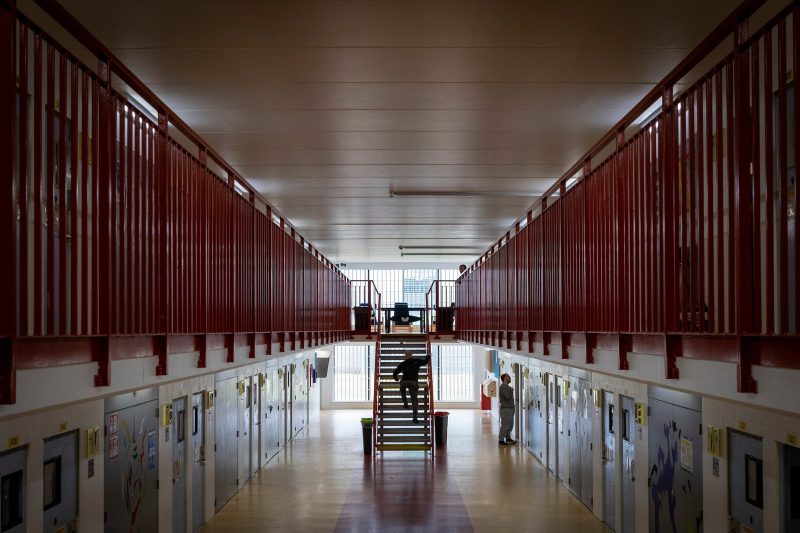
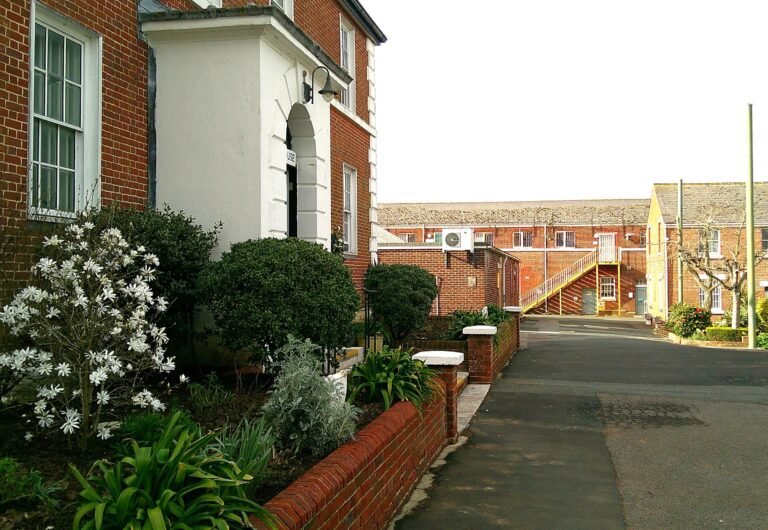
Most men spent almost 22 hours a day locked in their cells. Almost half lived in double cells designed for one. The Victorian prison opened in 1883, and its capacity had risen several times since the last inspection.
Too few men had places in education, skills or work, and too few of those attended. Men had little access to accredited courses, including English and maths. Staff shortages, especially among officers and health staff, restricted the daily regime.
Health provision fell short, particularly for men with mental illness. Twelve acutely unwell men were waiting for transfer to secure hospitals under the Mental Health Act. Several were being held in segregated conditions, which the report called wholly inappropriate. Men with physical disabilities often could not reach health care or activities because lifts were broken.
Release planning was poorly coordinated and under-resourced. A quarter of men left the prison homeless. Remand prisoners, now the majority, had no regular key work and could not easily reach legal materials in the library.
Leadership and what came next
Many senior leaders were new to their roles, continuing a pattern of instability. Inspectors acknowledged that many were passionate and keen to learn. They also noted improvements in early days, consultation with prisoners and work on equality.
However, the report said leaders “had consistently overestimated the prison’s performance”. It added that they did not have a firm grip on the prison’s many challenges.
Inspectors found three examples of notable positive practice. Each wing had a ‘decency’ box of toiletries that men could collect when out of their cells. A shop served men on the highest incentive level. A Department for Work and Pensions pilot let men activate benefit claims on release day and receive money within hours.
The inspectorate later published an independent review of progress at Bristol in August 2024.
About this story
This story is based on HM Inspectorate of Prisons’ report on HMP Bristol, published on 17 October 2023, following an inspection that ended in July 2023. All figures and judgements are the inspectorate’s. Read the full inspection report · See the prison’s profile in our directory.