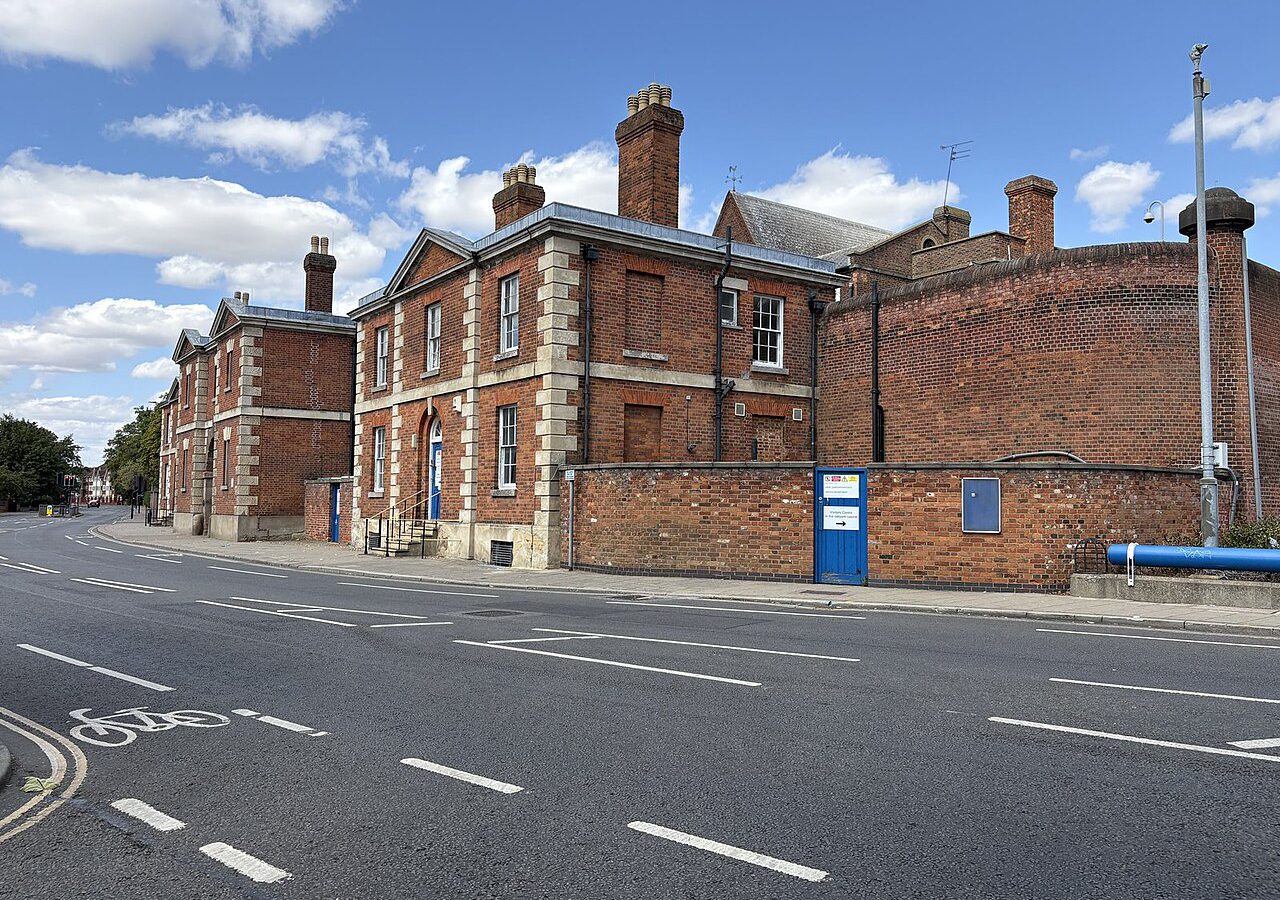
HM Chief Inspector of Prisons Peter Clarke warned in September 2018 that HMP Bedford risked a complete breakdown in order and discipline. He invoked the Urgent Notification process after an unannounced inspection between 28 August and 6 September 2018.
An Urgent Notification is a formal letter in which the Chief Inspector of Prisons tells the Justice Secretary about urgent and significant concerns at a prison. The Justice Secretary must respond publicly within 28 days, setting out how the concerns will be addressed.
Peter Clarke wrote to the then Justice Secretary, David Gauke MP, on 12 September 2018 and published the letter the next day. He concluded that “immediate and decisive intervention is needed at HMP Bedford to avert further decline and an even more dangerous lack of control than is currently the case”.
Nine years of decline
Peter Clarke described a continual and unchecked decline in standards over nine years. The letter set out the prison’s grades since 2009 against the four healthy prison tests, which rate safety, respect, purposeful activity, and rehabilitation and release planning. In 2009 the prison scored reasonably good in all four. By 2018 it scored poor for safety, respect and purposeful activity, and not sufficiently good for rehabilitation and release planning.
After the 2016 inspection the prison went onto a Performance Improvement Plan, later extended to 18 months. A major disturbance followed in November 2016. In May 2018 the prison service placed Bedford in special measures because progress had been insufficient.
In 2016 Peter Clarke had criticised an abject failure to act on recommendations, with only 12 of 72 fully achieved. This time inspectors found just 21 of 68 fully achieved. He acknowledged that local managers were working very hard in challenging circumstances.
The clear view of the Inspectorate is that immediate and decisive intervention is needed at HMP Bedford to avert further decline and an even more dangerous lack of control than is currently the case.
Peter Clarke, HM Chief Inspector of Prisons
Violence and a loss of control
Assaults had risen significantly. The rate was higher than at any other local prison except HMP Birmingham. Assaults on staff had risen dramatically, and the rate was the highest in the country, with 116 in the previous six months. Use of force had risen fourfold and ran nearly three times higher than at similar prisons. More than two-thirds of prisoners said they had felt unsafe at some time.
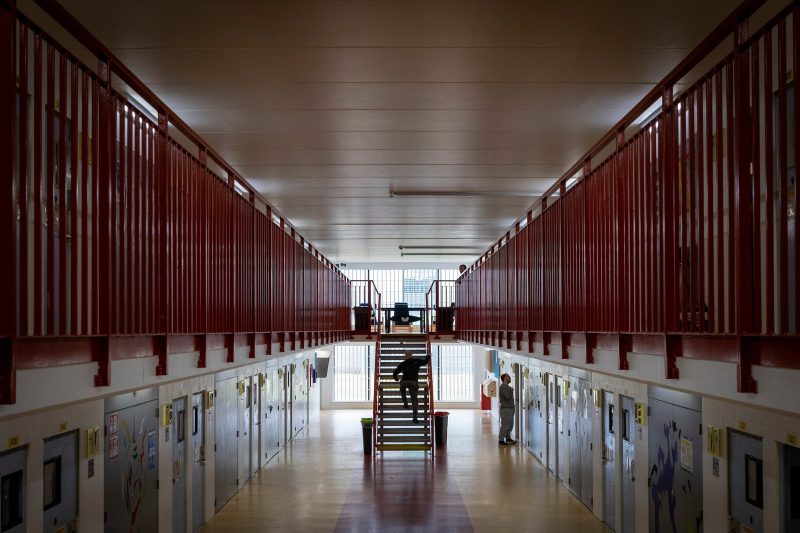
Some 77% of available officers had less than a year’s service. Inspectors often saw prisoners refuse staff directions without challenge. The adjudication system, which deals with breaches of prison rules, had completed only a third of cases in the previous six months. The letter said that “at times it felt as if prisoners were effectively in control”.
In one episode, a prisoner found with an illicit mobile phone incited others to cause a disturbance. For an hour and a half prisoners made unreasonable demands, and staff gave in to many of them. Peter Clarke called it a case of inexperienced staff capitulating to aggressive prisoners. The national daily incident report listed it only as miscellaneous, three days later.
Drugs, self-harm and squalor
One prisoner in five said they had acquired a drug habit at Bedford, and the smell of drugs pervaded some wings. The mandatory drug testing positive rate stood at 27%. Peter Clarke said even that figure understated the problem, because many prisoners refused the test. He wrote that drugs fuelled much of the violence and that the prison lacked the funding and technology to stem the flow.
There had been five self-inflicted deaths since the previous inspection. Self-harm had increased substantially, with 163 incidents in six months. Most prisoners in crisis said they did not feel well cared for.
Living conditions were poor. Over 600 repairs were outstanding, more than 400 of them dating back to 2017. Inspectors found a prisoner held overnight in a cell meant to be out of use, with a broken window, a toilet that did not flush and builder’s rubble on the floor. Staff changed towels and sheets only every four weeks. Rats and cockroaches still infested the prison.
Prisoners with disabilities relied on other prisoners for help. One amputee said he had showered only five times that year and had to wash by splashing water from his cell sink.
Although there were enough activity places for every prisoner, few attended. Nearly 40% of prisoners were locked up during the working day, and Ofsted judged the provision inadequate.
Special measures not enough
Peter Clarke welcomed some recent steps, including funding for new windows, a violence reduction manager and extra pest control. However, many actions in the improvement plans had vague or long timeframes. He judged that special measures alone did not give assurance that the prison would tackle its serious problems.
Inspectors have reported on HMP Bedford many times since. An independent review of progress followed in September 2019 and a scrutiny visit in April 2021. Full inspection reports followed in June 2022, February 2024 and October 2026, with an Urgent Notification in November 2023 and an independent review of progress in October 2024.
About this story
This story is based on the Urgent Notification on HMP Bedford that HM Inspectorate of Prisons published on 13 September 2018. It covers an earlier report: the prison’s profile has the latest findings. All figures and judgements are the inspectorate’s. Read the Urgent Notification · See the prison’s profile in our directory.