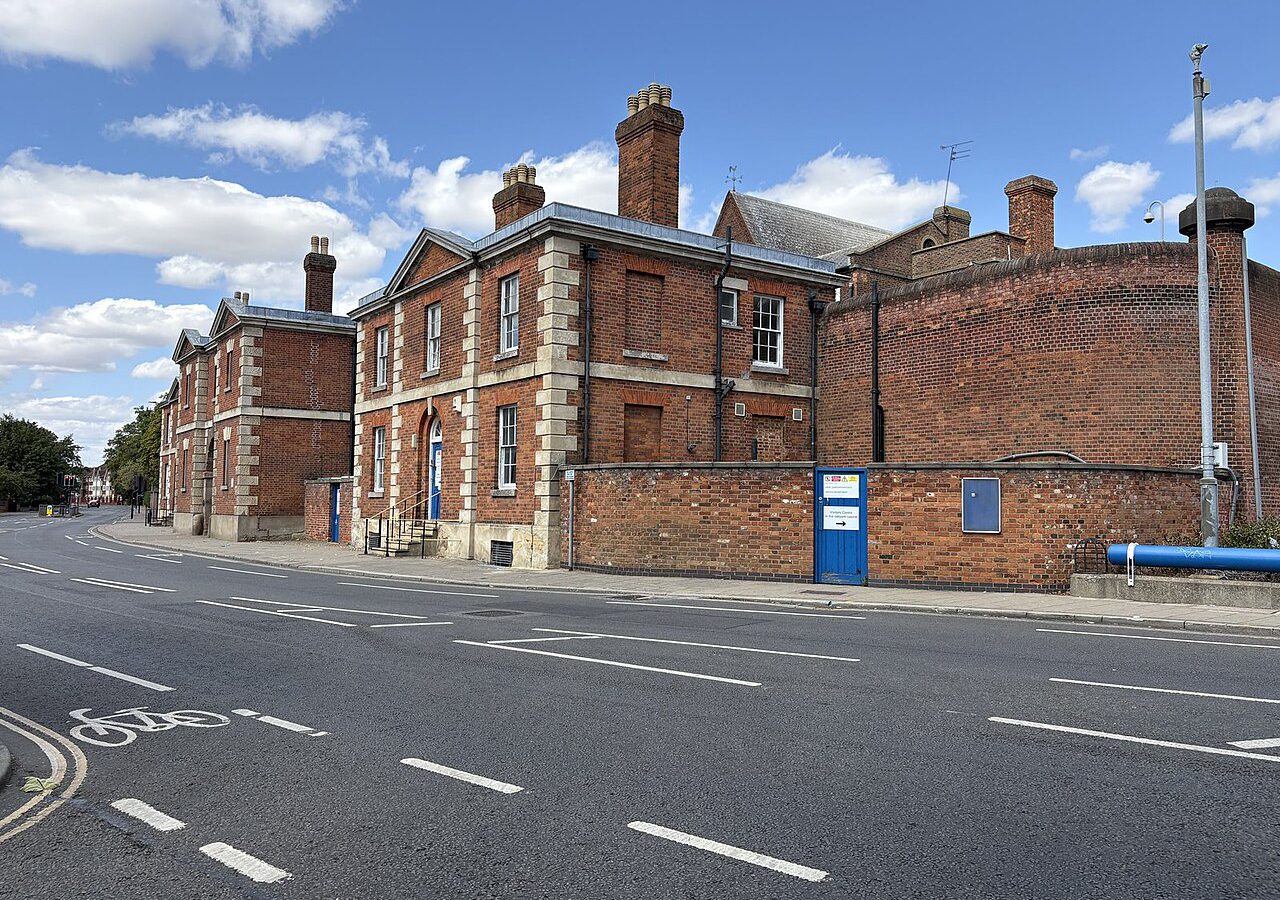
Standards at HMP Bedford had fallen badly since 2022, according to a report by HM Inspectorate of Prisons published in February 2024. Inspectors rated the inner-city Victorian jail poor for safety, respect and purposeful activity, and not sufficiently good for preparation for release.
HM Chief Inspector of Prisons Charlie Taylor wrote: “Some of the accommodation in Bedford was the worst I have seen.” In one cell on E wing the smell of mould was overpowering and the walls were damp to the touch. Inspectors found that on very wet days, drainage problems left raw sewage on the floor of the underground segregation unit.
Inspectors visited between 30 October and 9 November 2023. Bedford was a category B local prison, which mainly takes men from the local courts. At the time of the inspection it held 334 men, and 63% of them were on remand or unsentenced.
Squalid living conditions
At the previous inspection, inspectors had reported improvements after issuing an Urgent Notification in 2019. This time they found that cleanliness on wings and in cells had worsened considerably. Filthy floors and serveries added to overcrowded conditions. Many cells had broken furniture and windows and were covered in graffiti.
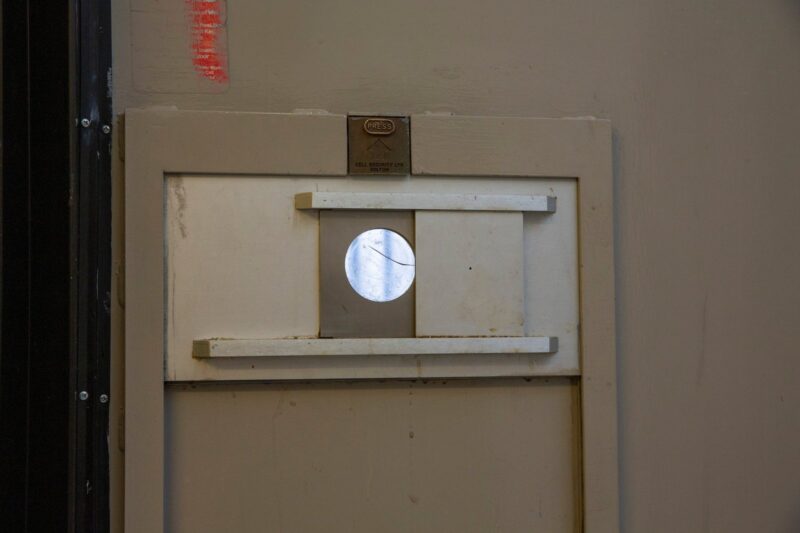
The report described the underground segregation unit as “a disgrace”. Its cells were dark, damp and dilapidated, and inspectors found evidence of mould and of rats and cockroaches. Charlie Taylor praised dedicated staff who did their best to care for often very mentally unwell prisoners in wholly unsuitable conditions. The construction of a new segregation unit had faced considerable delays.
Prisoners, staff and managers all reported witnessing racism, and systems to ensure fair treatment were weak. Staff did not build effective relationships with prisoners. There was virtually no key work, the regular one-to-one contact between an officer and a prisoner. As a result, problems that officers could have solved often ended up on the desks of senior leaders.
Some of the accommodation in Bedford was the worst I have seen.
Charlie Taylor, HM Chief Inspector of Prisons
Violence and self-harm
Violence remained very high. Assaults on staff were among the highest in the country. Inspectors linked much of the violence to prisoners’ frustration at limited time out of cell. They also blamed what the report called disastrous applications and complaints systems, which left prisoners unable to get questions answered or problems solved.
Staff used a high amount of force, and scrutiny had not caught all poor practice. However, a new temporary deputy governor had begun to grip the use of force. Staff switched on body-worn cameras in 90% of incidents, among the highest rates inspectors had seen. Inspectors counted as notable positive practice the way staff turned on cameras at times when violence was most likely.
Inspectors were particularly concerned about rising self-harm and fragile support for the most vulnerable prisoners. Care for prisoners at risk of suicide or self-harm was weak, and staff too often overlooked mental health referrals. Mental health services had seriously deteriorated and did not meet the needs of the population.
Too long behind doors
As in 2022, prisoners spent too long locked in their cells with too little to do. On some wings, unemployed prisoners spent fewer than two hours a day unlocked.
Education had got worse and was now poor. There were not enough places, especially in English and maths, and men faced long waits to join courses. Attendance stood at just 52%. Leaders had not designed a curriculum that prepared prisoners for work after release, and careers advice was ineffective.
Family contact also suffered. Prisoners often struggled to book visits, and staff shortfalls led to cancelled visits and video calls. Inspectors found that 30% of prisoners left Bedford homeless. Charlie Taylor wrote that this made it virtually impossible to break the cycle of mental health difficulties, drug taking, crime and imprisonment. A departure lounge for released prisoners, which inspectors had praised in 2022, no longer operated.
Leadership and what followed
The governor had taken up post in January 2023 and was rebuilding her leadership team. Nine new senior managers had arrived since then, six of them temporary. Inspectors found she understood the jail’s challenges but was not visible enough around the prison. On paper the prison was fully staffed, but sickness, leave, injury and investigations kept many staff off full duties. Leaders could not run a consistent daily routine as a result.
Inspectors identified 15 key concerns, seven of them priorities. Of the 11 key concerns from 2022, the prison had achieved four and partially achieved one. It had not achieved the other six. Charlie Taylor said the prison service would need to give considerable support with resources and infrastructure if this neglected prison was to break the cycle of poor inspection reports.
Inspectors have reported on HMP Bedford again since. An independent review of progress followed in October 2024, and a full inspection report in October 2026.
About this story
This story is based on HM Inspectorate of Prisons’ report on HMP Bedford, published on 14 February 2024, following an inspection that ended in November 2023. It covers an earlier inspection: the prison’s profile has the latest findings. All figures and judgements are the inspectorate’s. Read the full inspection report · See the prison’s profile in our directory.