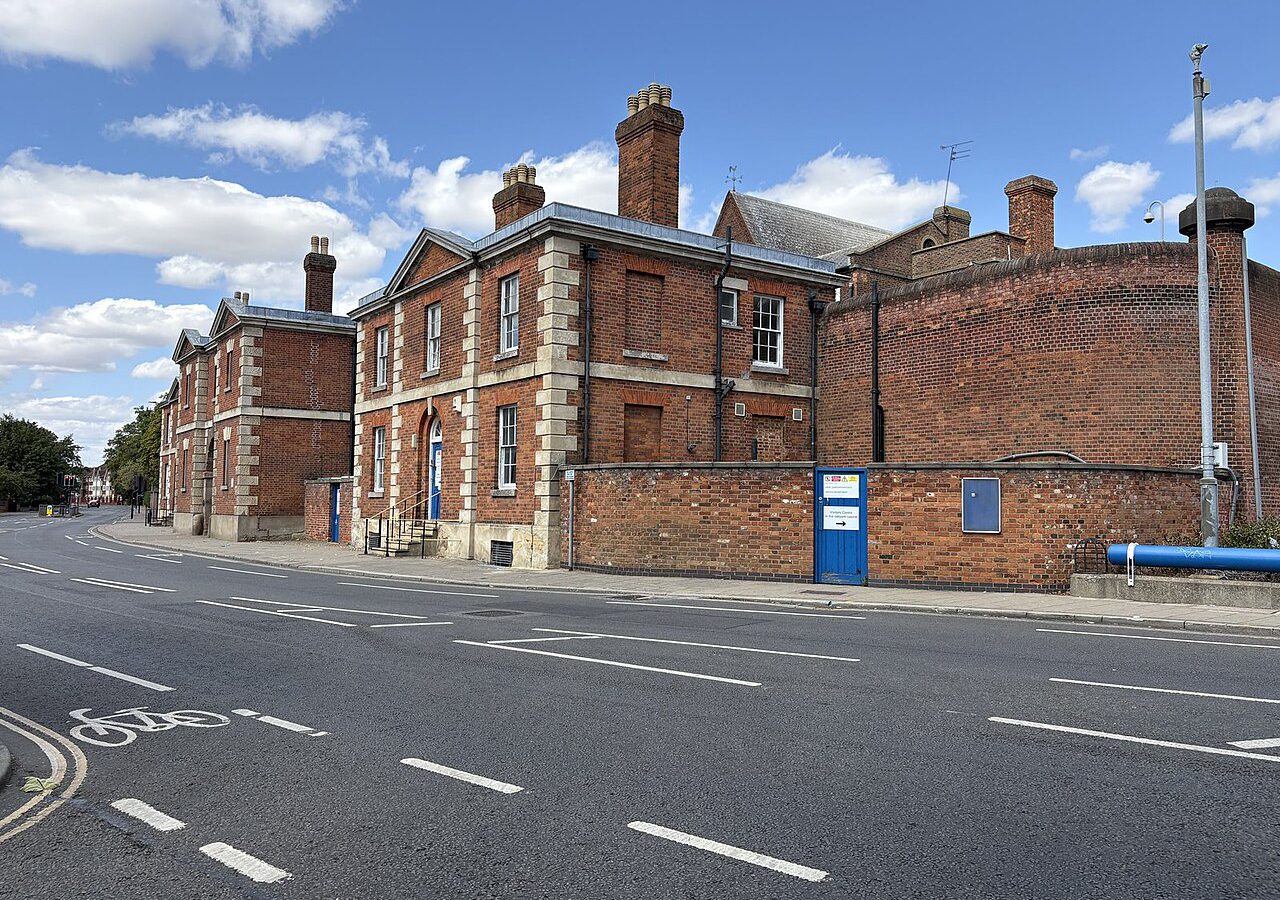
HMP Bedford had turned a corner after years of decline, according to a report by HM Inspectorate of Prisons published in June 2022. Inspectors found that the prison had improved by one grade in each of the four areas they assess.
In 2018 the prison’s scores had been among the lowest the inspectorate had ever awarded, and the then Chief Inspector of Prisons invoked the Urgent Notification process. HM Chief Inspector of Prisons Charlie Taylor wrote in 2022 that the decline had been arrested and real progress made.
He gave huge credit to the governor, who had taken over a prison that was dangerous, understaffed and dilapidated. Over three years the governor had developed a vision and clear plans, which he and his team pursued relentlessly. “The governor and his team should be proud of their achievements at HMP Bedford,” Charlie Taylor wrote.
Bedford was a category B local prison in the centre of the town, mainly taking men from the local crown and magistrates’ courts. At the time of the inspection it held 359 men. Inspectors carried out their fieldwork between 10 January and 24 February 2022.
Better grades, but not yet good enough
Inspectors assess prisons against four healthy prison tests, rating each as good, reasonably good, not sufficiently good or poor. Safety, respect and purposeful activity, which covers education, work and time out of cell, all rose from poor to not sufficiently good. Rehabilitation and release planning rose to reasonably good.
The judgements took account of the prison’s recovery from COVID-19. Charlie Taylor stressed that outcomes were not yet good enough in any of the tests.
The prison had made progress on earlier recommendations. Of five key concerns on safety from 2018, it had achieved four and partially achieved one. It had partially achieved the key concern on purposeful activity but not the one on respect. Inspectors had also made six recommendations about key concerns during a scrutiny visit in 2021. The prison had achieved four of those and partially achieved two.
The governor and his team should be proud of their achievements at HMP Bedford.
Charlie Taylor, HM Chief Inspector of Prisons
Violence still very high
Despite the progress, violence remained some of the highest in the country. Fewer prisoners told inspectors they felt unsafe than in 2018, but the data on assaults against prisoners and staff did not yet reflect this. Staff did not fully investigate violent incidents.
Prisoners under 25 featured disproportionately in the figures on violence and poor behaviour. Leaders responded by creating a wing with a bespoke regime to settle and support younger prisoners. An active citizenship scheme to encourage good behaviour also looked promising.
A determined push to reduce the use of force had worked, though force remained high compared with similar prisons. Reviews of baton use lacked detail. Inspectors found some concerning examples of staff violence towards prisoners, which managers dealt with robustly once discovered. Charlie Taylor wrote that “it was unacceptable that many officers still did not routinely turn on their body-worn cameras”.
Inspectors found improvements in other safety work. The rate of self-harm was lower than in 2018, and support for prisoners at risk had improved. Technology had helped disrupt the supply of illicit items, and drugs were less available. The segregation unit, however, remained run down and unsuitable for use.
Cramped cells and limited time out
Living conditions remained unacceptable. On the older wings most prisoners shared shabby, cramped cells designed for one person. Toilets lacked proper screening and furniture was often in poor repair. Staff did not answer about a third of emergency cell bells promptly. Prisoners did welcome new showers and laundries, and the installation of telephones in all cells eased isolation during long periods of lock-up.
The culture had improved considerably even since the 2021 scrutiny visit. Inspectors saw many skilled officers doing an excellent job, but too many still dismissed prisoners’ concerns. A small minority of staff had attitudes that dragged standards down. Staff shortages continued to affect the jail and had become acute during a recent COVID-19 outbreak.
Leaders had worked to improve the treatment of black, Asian and minority ethnic prisoners. They made work allocation more transparent and handled discrimination complaints more sensitively. Inspectors found these investigations extremely thorough. Support for prisoners with disabilities, however, was weak.
Time out of cell remained limited. Prisoners in education, training or work usually had just under six hours a day out of their cells. About 40% of prisoners had no purposeful activity and spent nearly 22 hours a day locked up.
What came next
Charlie Taylor wrote that further substantial improvement was possible if the prison kept its effective staff and strong leadership team, particularly in reducing violence and improving living conditions.
Inspectors have reported on HMP Bedford several times since. An Urgent Notification followed in November 2023, then full inspection reports in February 2024 and October 2026, with an independent review of progress in October 2024.
About this story
This story is based on HM Inspectorate of Prisons’ report on HMP Bedford, published on 8 June 2022, following an inspection that ended in February 2022. It covers an earlier inspection: the prison’s profile has the latest findings. All figures and judgements are the inspectorate’s. Read the full inspection report · See the prison’s profile in our directory.