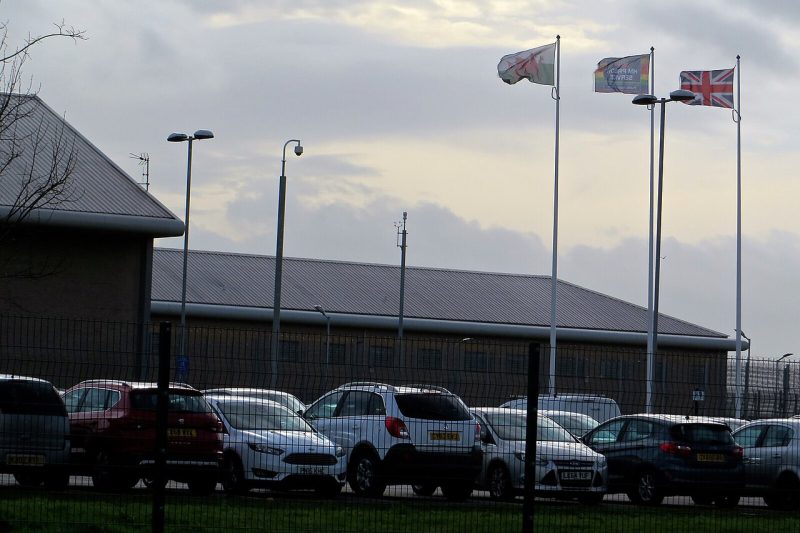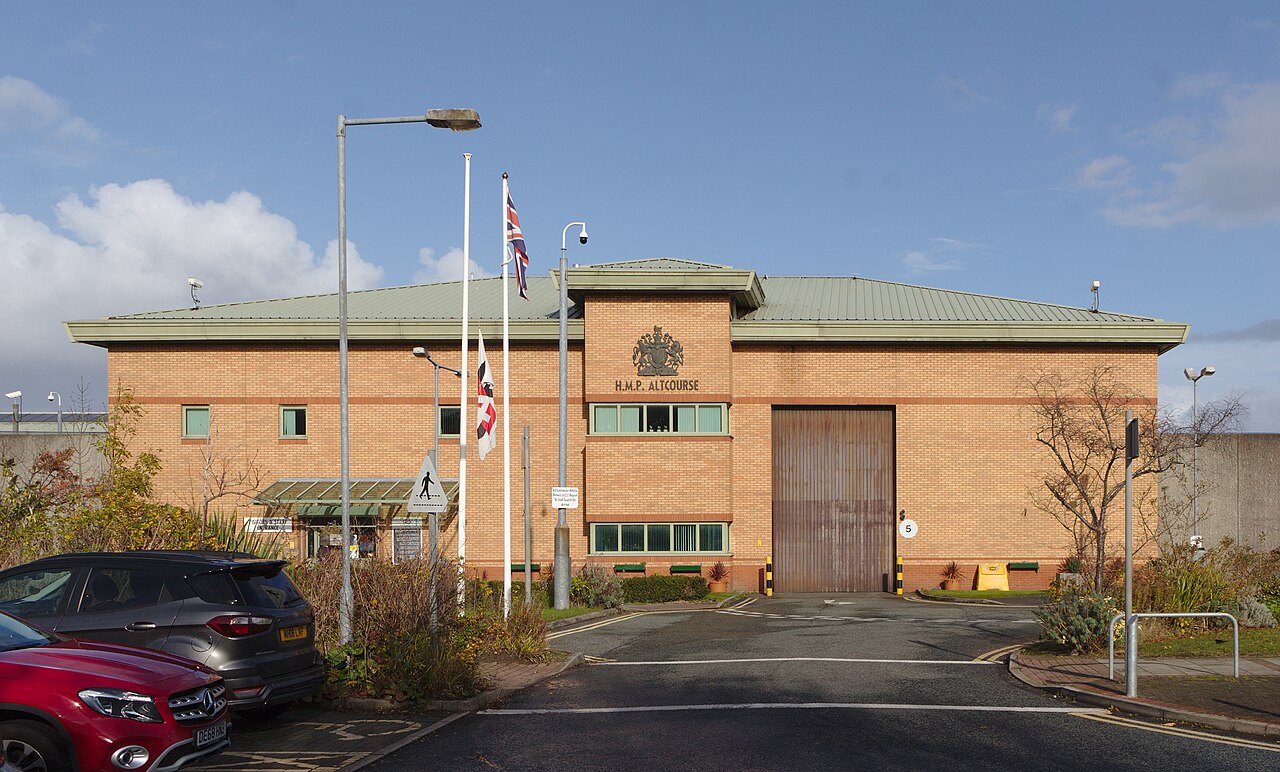
Safety at HMP Altcourse, a men’s prison in Liverpool, had deteriorated since 2017, according to a report by HM Inspectorate of Prisons published in February 2022. Inspectors found that eight prisoners had taken their own lives since the previous inspection, four of them in the preceding 12 months.
The inspectorate rated safety as not sufficiently good, down from reasonably good. Yet the report also described a calm, well-ordered prison with strong relationships between staff and prisoners. HM Chief Inspector of Prisons Charlie Taylor wrote that “Altcourse is already one of the better local prisons in the country in terms of outcomes for prisoners, the capability of leadership and staff culture.”
Inspectors visited between 1 and 12 November 2021. Altcourse was a category B local prison serving courts in Merseyside and Cheshire. G4S had run it since it opened in 1997, the report noted. At the time of the inspection it held 1,158 men, just short of its operational capacity of 1,164.
Turnover was high. About 380 new prisoners arrived each month, and over 40% of the population was unsentenced.
How inspectors graded the prison
Inspectors assess prisons against four healthy prison tests, rating each as good, reasonably good, not sufficiently good or poor. At Altcourse they found that outcomes had stayed the same in two areas and declined in two.
Safety fell from reasonably good to not sufficiently good. Respect stayed reasonably good. Purposeful activity, which covers education, work and time out of cell, slipped from good to reasonably good. Inspectors judged rehabilitation and release planning, which looks at how the prison prepares men for life after custody, as not sufficiently good, the same rating as in 2017.
The judgements took account of the prison’s recovery from COVID-19 restrictions. The report noted a greater sense of pre-pandemic normality at Altcourse than inspectors had seen elsewhere.
At the 2017 inspection, inspectors made 47 recommendations, three of them on areas of key concern. This time they found the key concern on respect achieved, the one on safety partially achieved and the one on rehabilitation and release planning not achieved.
Altcourse is already one of the better local prisons in the country in terms of outcomes for prisoners, the capability of leadership and staff culture.
Charlie Taylor, HM Chief Inspector of Prisons
Deaths in custody and self-harm
Inspectors described the eight self-inflicted deaths since the previous inspection as a significant concern. The prison used early learning reviews to improve its practice. However, inspectors identified weaknesses in support systems that still created unnecessary risks.
Self-harm had fallen over the previous 12 months but remained higher than in similar prisons. Most prisoners at risk of suicide or self-harm received support through ACCT, the case management process for prisoners at risk. Those in crisis told inspectors they felt well cared for. Some aspects of ACCT case management still had weaknesses. The prison’s analysis of safety data was too limited to shape an effective self-harm reduction strategy.
Inspectors also found gaps in the care of new arrivals. Reception staff were welcoming, and the safer custody team held a private interview with new arrivals. Even so, staff had not identified or addressed the needs of several new prisoners whose age or background suggested likely vulnerabilities. Frequent redeployment of staff delayed parts of induction.
Violence, force and segregation
The prison was calm and well ordered during the visit. Recorded violence remained too high but had fallen since 2017. Inspectors criticised the limited analysis of safety data. Investigations into violent incidents lacked detail and did not always lead to action.
Use of force had risen substantially but remained low compared with similar prisons. Over half of incidents involved low-level guiding holds to steer prisoners back to their cells. Staff had not used special accommodation in the previous 12 months, and they did not use batons or PAVA incapacitant spray.
The prison used segregation less often than at the previous inspection, and prisoners in the unit spoke positively about their care. However, staff did not always fully justify segregation. Decision logs for segregated prisoners at risk of suicide or self-harm were poor.
Physical security matched the risks the prison faced, and managers knew that drugs and mobile phones posed the key threats. Yet not all planned intelligence-led searches took place, and the prison carried out no suspicion-led mandatory drug testing.
Relationships, activity and release
Relationships between staff and prisoners stood out. “Staff-prisoner relationships remained a real strength,” the report said. In the inspectorate’s survey, 83% of prisoners said they felt respected by staff. Key work, in which staff meet individual prisoners regularly, took place more often than in similar prisons and was of a better standard.
Cells and communal areas were clean and free of graffiti. Consultation with prisoners was good, and the complaints and applications systems worked well. The chaplaincy provided good spiritual and pastoral support. Health care partners had managed five COVID-19 outbreaks successfully, but severe staffing shortages had slowed the recovery of services. Too many referrals to hospital under the Mental Health Act exceeded NHS waiting time guidance.
The prison had an equality strategy, but it delivered only some elements of it. Leaders did not always identify or act on unequal outcomes for prisoners with protected characteristics.
Time out of cell had improved. Two thirds of prisoners had at least five hours out of their cells on weekdays, better than in most prisons inspected recently. The library, however, remained closed, and its remote service offered no adequate long-term alternative.
Ofsted, which inspects prison education, found that most prisoners received high-quality education and training. It also found weaknesses in the curriculum and a need to raise attendance. Inspectors said there was scope for more radical thinking about how the prison could improve its work on rehabilitation and release planning.
Inspectors found leaders proactive and committed, though better use of data could have improved their planning. They said they were confident that leaders would tackle the problems identified and commit to further improvement.
Since the inspection
Inspectors have reported on HMP Altcourse again since. A full inspection report followed in October 2025, and an independent review of progress in August 2026.
About this story
This story is based on HM Inspectorate of Prisons’ report on HMP Altcourse, published on 18 February 2022, following an inspection that ended in November 2021. It covers an earlier inspection: the prison’s profile has the latest findings. All figures and judgements are the inspectorate’s. Read the full inspection report · See the prison’s profile in our directory.