Conditions and care at Harmondsworth Immigration Removal Centre had declined so far that inspectors judged it the worst they had seen in this type of centre. The prisons inspectorate’s report, published in July 2024, rated the centre poor for both safety and respect.
Charlie Taylor, HM Chief Inspector of Prisons, wrote: “Overall, the outcomes at Harmondsworth were the worst that HMI Prisons has found in its IRC inspections.”
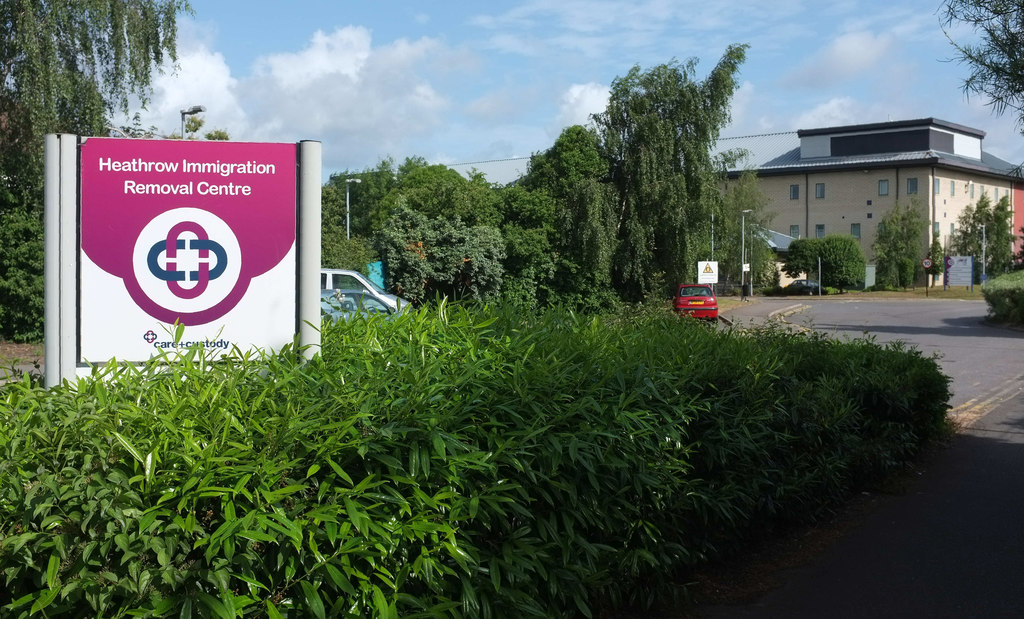
The centre, next to Heathrow airport, holds adult men in immigration detention. Mitie Care and Custody ran it under contract to the Home Office. Inspectors found dirty and dilapidated buildings, open drug use, too few experienced staff and weak care for men at risk of suicide.
Safety and respect fall to poor
The inspectorate assesses removal centres against four healthy establishment tests: safety, respect, activities, and preparation for removal and release. Each test receives a grade of good, reasonably good, not sufficiently good or poor.
Harmondsworth scored poor for safety and for respect, down from not sufficiently good at the previous full inspection in 2017. Activities and preparation for removal and release both scored not sufficiently good. None of the six key recommendations from 2017 had been achieved. Inspectors also made a short scrutiny visit during the Covid-19 pandemic, reported in April 2021, which did not produce grades.
Fieldwork ended on 29 February 2024. The centre then held 454 detainees against an operational capacity of 658. On average, 90 men arrived each week, and 63% of those arriving each month had served a prison sentence. The average stay lasted at least 75 days. The longest continuous period of detention had reached 753 days.
The inspectorate later carried out an independent review of progress at Harmondsworth, published in April 2025. This story covers the full inspection only.
Overall, the outcomes at Harmondsworth were the worst that HMI Prisons has found in its IRC inspections.
Charlie Taylor, HM Chief Inspector of Prisons
Suicide risk and a lax culture
Inspectors raised particular concern about care for the most vulnerable men. Support for those who said they felt suicidal fell short. No one had taken their own life since the previous inspection, but there had been serious attempts. One attempt during the inspection left a detainee with grave injuries.
Leaders had not acted on findings from investigations into earlier incidents. Ligature points identified years before as a hot spot for suicide attempts remained in place. In one case, staff had placed a man on constant watch because of an imminent risk of self-harm, yet nobody was watching him.
The Home Office had assessed 20 men at the highest level of its adults at risk policy. Some stayed in detention for many months afterwards. Around 60% of detainees left the centre on release, while only a third faced deportation. Mr Taylor questioned why so much taxpayer money went on keeping them locked up.
Nearly two-thirds of detainees told inspectors they had felt unsafe at the centre, and 44% said they felt unsafe at the time. Assaults between detainees had more than doubled since 2017. More former prisoners, often with serious offending histories, now passed through the centre because of pressure on prison places.
Drugs, dirt and distant staff
Mr Taylor described what he saw on the wings. “Walking round the centre, I was shocked to see detainees openly smoking cannabis,” he wrote. Staff had all but stopped challenging smoking indoors. Drug use was far more common than in other centres, and measures to stop supply were weak.
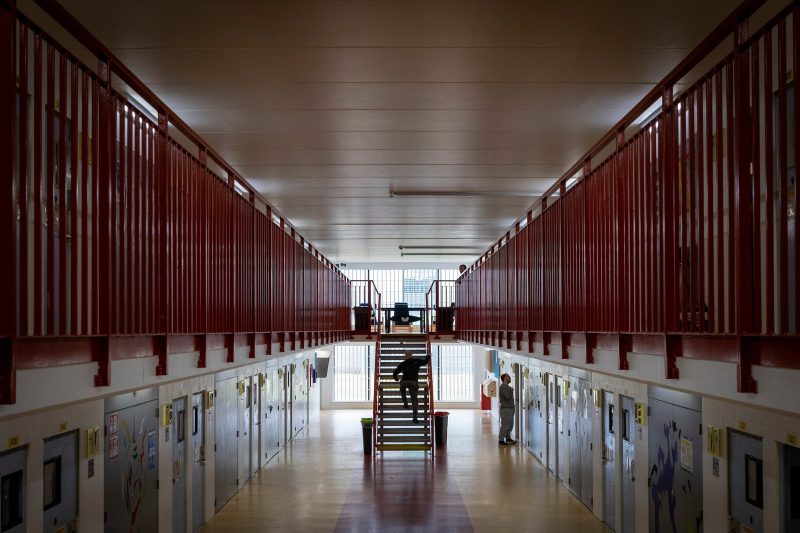
On many wings, staff stayed in offices sealed off with no entry tape. Supervision of upper landings was poor. Many staff were very inexperienced and lacked the knowledge to support detainees.
The buildings had become even more run down, with Cedar wing especially bad. Inspectors arriving for the first visit found the centre grubby and in some areas filthy, with smashed door panels. The report said the Home Office bore much of the blame for not paying for refurbishment. The provider, it added, had to take responsibility for the drop in cleanliness.
Activities went largely unused, leaving many classrooms empty and many sessions cancelled. Recruitment problems meant the centre had no librarian. Welfare support had become inadequate. The report also found high unmet mental health need and a badly under-resourced psychology service.
Contract uncertainty and a new director
Mr Taylor criticised what he called a shambolic retendering process run by the Home Office. Leaders did not know whether they would still run the centre in a few months. That made it hard to recruit permanent senior staff.
The report did find some grounds for optimism. A new director, appointed in October 2023, had improved relationships with the Home Office and the health provider. She was working to improve staff recruitment and retention, which had recently picked up. Inspectors also recorded two examples of notable positive practice, including a help desk for detainees’ health queries.
In total the inspectorate raised 14 concerns, five of them priorities. It asked leaders for a plan setting out how and when they would resolve each one. Mr Taylor said progress would be difficult until the Home Office decided who would run the centre next.
About this story
This story is based on HM Inspectorate of Prisons’ report on Harmondsworth IRC, published on 9 July 2024, following an inspection that ended in February 2024. All figures and judgements are the inspectorate’s. Read the full inspection report · See the prison’s profile in our directory.