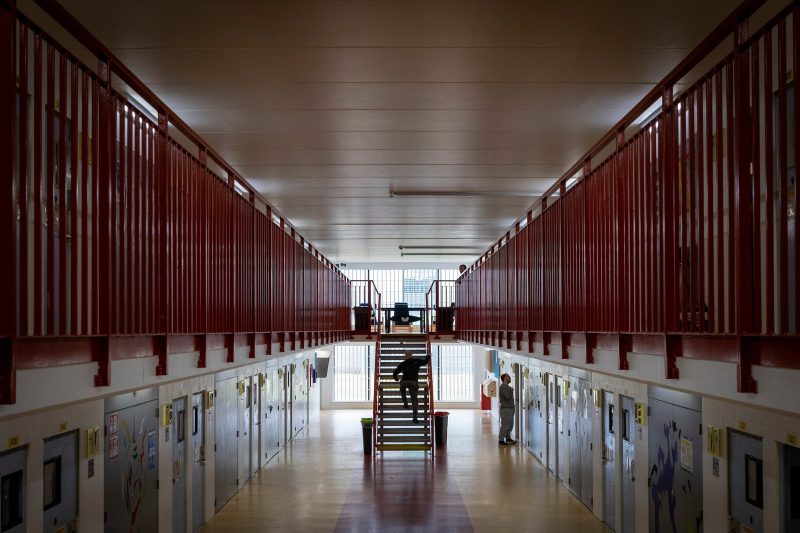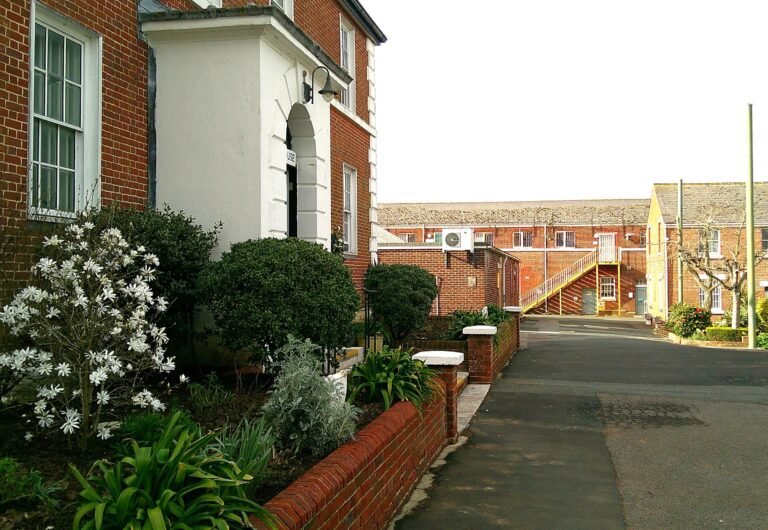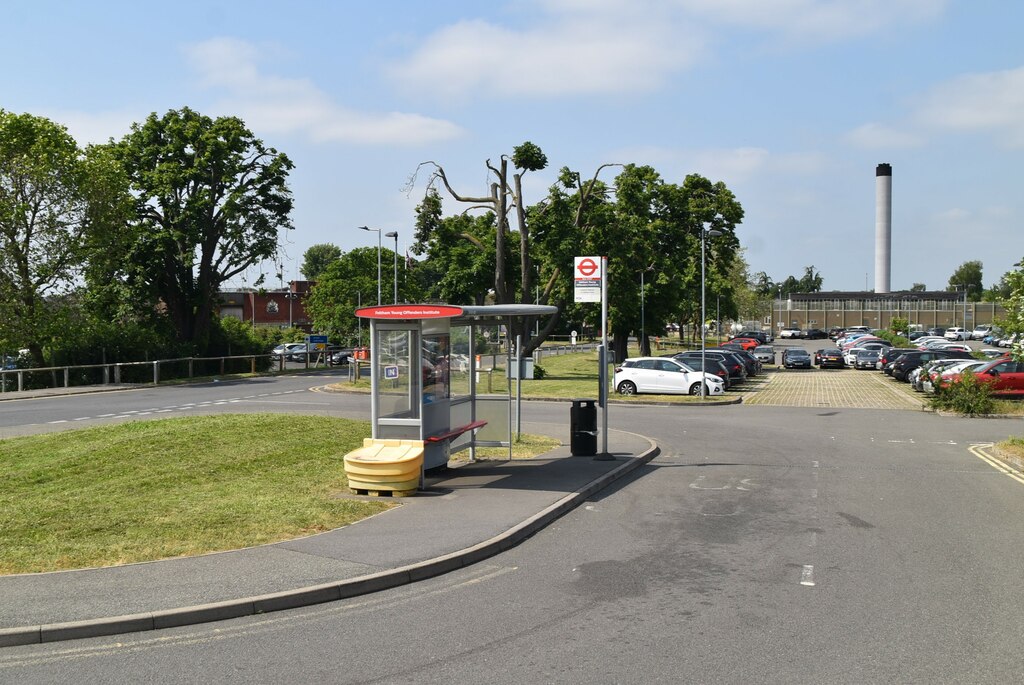
HMYOI Feltham A had undergone an impressive transformation, inspectors found. Their report, published in June 2022, described a safer and more productive establishment, three years after its standards collapsed.
Feltham A, in west London, holds children on remand and those convicted by the courts. It held 75 children when inspectors visited between 21 February and 4 March 2022.
HM Chief Inspector of Prisons Charlie Taylor recalled that the 2019 inspection had found the establishment violent and chaotic. His predecessor had then invoked the urgent notification process, the first time it had been used for a children’s prison. Scrutiny visits in July 2020 and February 2021 found signs of improvement. But Mr Taylor said “the transformation we found at our most recent inspection was impressive”.
How Feltham A was graded
Inspectors assess institutions for children against four healthy establishment tests. These are safety, care, purposeful activity and resettlement. Purposeful activity covers education, work and time out of cell. Resettlement covers preparation for release.
Outcomes improved in all four areas. Safety and care both rose from poor in 2019 to reasonably good. Purposeful activity rose from poor to not sufficiently good. Resettlement received a grade of reasonably good.
Inspectors had made 14 recommendations on key concerns in 2019. Feltham A had achieved all four on safety, and 10 of the 14 overall.
At both of our scrutiny visits in July 2020 and February 2021 we saw signs of improvement, but the transformation we found at our most recent inspection was impressive.
Charlie Taylor, HM Chief Inspector of Prisons
Safer and calmer
Mr Taylor gave much credit to the governor. She had stayed in post after the urgent notification and built a strong team with a renewed sense of purpose. Staff were more confident in meeting children’s often complex needs and in tackling their behaviour.
Violence, though still too high, had fallen considerably and was now similar to comparable establishments. Self-harm had fallen by approximately 80%. Children at risk of self-harm said staff supported and cared for them well.
Staff used force far less. In the survey, 52% of children said staff had restrained them, compared with 74% in 2019. Governance of force was generally good. Inspectors found strong links with the local authority on safeguarding, and social workers investigated referrals well. Far fewer children were separated from others, and most who were returned to normal life within 72 hours.
Alpine unit, for children unable to mix with others because of their behaviour and needs, was a notable success. A well-trained team helped boys out of their cells and back into contact with their peers. Children who might once have languished in segregation received tailored support.
Fewer children were on keep-apart lists, which stop certain children from mixing. Inspectors found the number lower than elsewhere. Mr Taylor found this impressive, as some children had gang links and conflict in the community could spill into the prison.
Daily life and education
Relationships between staff and children had improved considerably. Mr Taylor described the incentives scheme as some of the best he had seen. Staff noted and rewarded good behaviour and usually dealt quickly with poor behaviour. On the Dunlin enhanced unit, children got more time out of cell and could join the Duke of Edinburgh scheme, army cadets or barbering.
Most cells and communal areas were clean, and children had in-cell telephones and laptops. However, not every child could shower daily. Children rightly took a poor view of the complaints process. Leaders did not understand the needs of children with protected characteristics, and children could attend communal worship only once every eight weeks.
Attendance in education stood at an impressive 96%. But lessons did not separate children by ability, so work was often too easy or too hard. Average time out of cell in February 2022 was 5.5 hours. It ranged from 1.5 hours for children in isolation to nine hours for some. Staff shortages and the pandemic had held back progress. New evening activities were a good step, and children had good access to the gym. Library provision, however, was poor.
A fragile recovery and later reports
The last day of the inspection was also the governor’s last day in post. Mr Taylor said much remained to do, including recruiting and keeping staff, improving education and reducing violence. He warned that “Feltham is a fragile place” and said close support from the Youth Custody Service would be essential during the change of leader.
Inspectors have reported on Feltham A again since. Independent reviews of progress followed in November 2022, November 2024 and July 2026. Full inspections were published in July 2024 and August 2025.
About this story
This story is based on HM Inspectorate of Prisons’ report on HMYOI Feltham A, published on 14 June 2022, following an inspection that ended in March 2022. It covers an earlier inspection: the prison’s profile has the latest findings. All figures and judgements are the inspectorate’s. Read the full inspection report · See the prison’s profile in our directory.