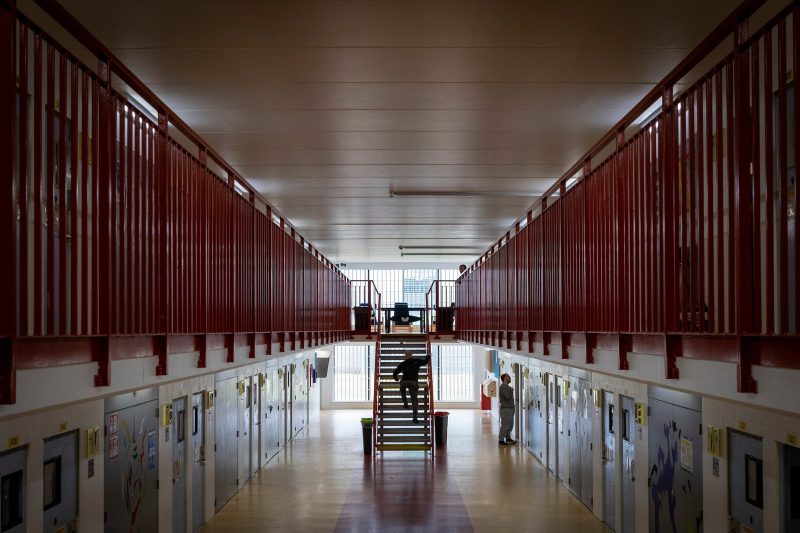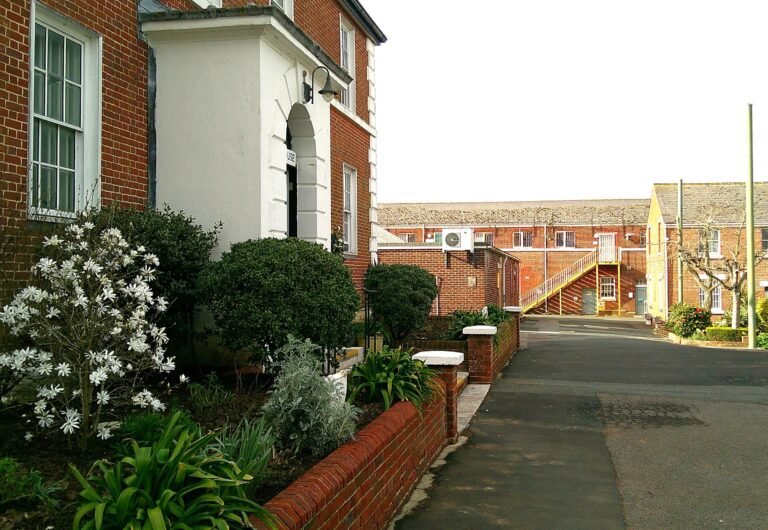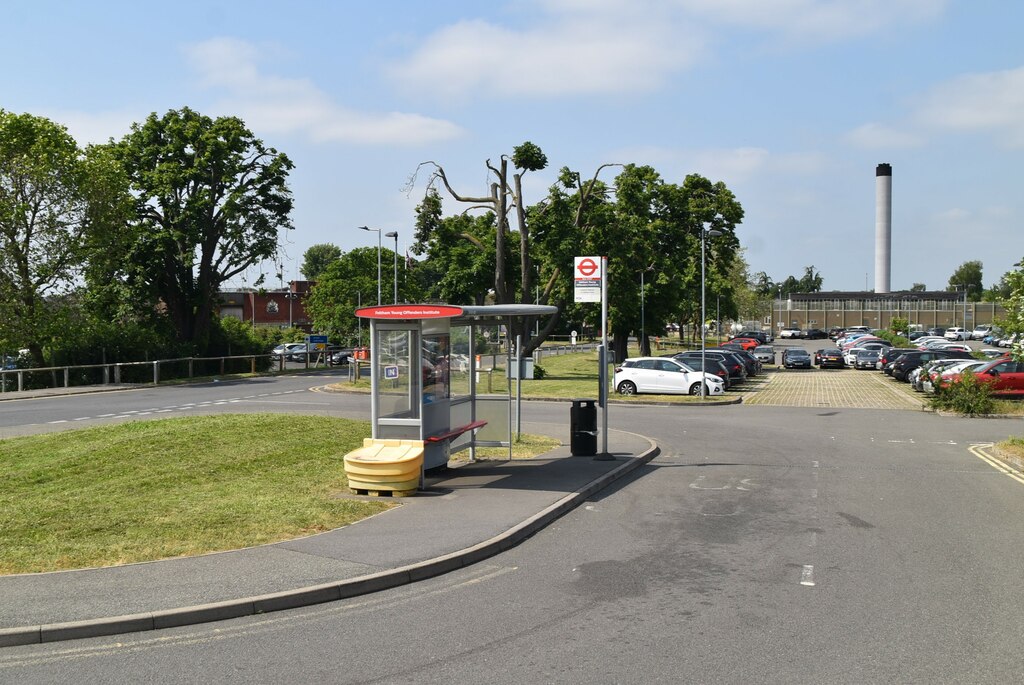
Violence at HMYOI Feltham A had risen to the highest level of any prison in the country, inspectors found. Their report, published in July 2024, described a sharp decline since a much better inspection in 2022.
Feltham A, in west London, holds boys on remand and those convicted by the courts. It held 84 children when inspectors visited between 4 and 14 March 2024. Some 29% of the children were aged 18.
HM Chief Inspector of Prisons Charlie Taylor wrote that “violence is at the root of almost all of the challenges that we found during this inspection”. In 2022, inspectors had awarded Feltham A some of its best scores in recent years. Returning to find standards slipping was disappointing, he said.
How Feltham A was graded
Inspectors assess institutions for children against four healthy establishment tests. These are safety, care, purposeful activity and resettlement. Purposeful activity covers education, work and time out of cell. Resettlement covers preparation for release.
Feltham A scored poor for safety and poor for purposeful activity. Care and resettlement both received a grade of reasonably good.
Inspectors raised 10 key concerns, seven of them priorities. The 2022 inspection had produced nine recommendations on key concerns. The establishment had achieved one and partly achieved another. It had not achieved the other seven.
Violence is at the root of almost all of the challenges that we found during this inspection.
Charlie Taylor, HM Chief Inspector of Prisons
A summer of violence
Conditions had become particularly bad in the summer of 2023. Assaults rose dramatically. A serious incident in the education block forced its closure from 22 August until early September. Staff shortages, on top of planned leave, meant managers could not deliver a consistent daily routine. Protests by children then cut time out of cell further.
Mr Taylor credited the governor and some impressive managers with starting to halt the decline. With support from the Youth Custody Service, they had stabilised the prison and introduced an ambitious daily timetable. Even so, violence remained the highest of all young offender institutions.
Inspectors found a growing use of ‘keep apart’ lists, which stop certain children from mixing. There were 266 separate instructions of this kind. Mr Taylor warned that such lists can cause as much violence as they prevent. They also meant staff ran several regimes on the same unit, cutting time out of cell.
Keep-aparts limited children’s access to visits, and some missed medical appointments. Self-harm had increased and was too high. The enhanced support unit, for children with the greatest needs, had closed after a child damaged it in autumn 2023. As a result, three children had spent long periods separated from others on Falcon unit.
Education and time out of cell
Children spent too much time locked in their cells. Managers aimed to give each child 15 hours of education a week, but many received far less. In practice, staff allocated children to classes based on who could share a room without fighting, rather than on ability or interest.
Mr Taylor called it astonishing that the Youth Custody Service and the education provider had introduced an English and maths curriculum unfit for Feltham’s children. The contract had been in place for over a year. Too few children gained qualifications, and there were too few level 3 courses for more able pupils.
Some vocational courses worked well, including barbering, cadets and horticulture. Weekend vocational training was an innovative way to help children use their time productively. Inspectors also found the provision for family contact poor, with too few social visits and too little promotion of video calls.
Relationships, care and later reports
Good relationships between staff and children were a hallmark of the inspection. Staff knew the children well and worked hard to engage the most challenging. Health care was well led, and children had very good access to a good range of services. Many cells had been refurbished and now contained showers, although some communal areas looked tatty.
Inspectors found five examples of notable positive practice. They included weekly checks on cell bell response times and good support for children serving life and long sentences.
Release planning had improved recently, but many boys still did not know where they would live until just before release. Staff did not identify or review risk early or regularly enough. Mr Taylor said the serious decline of the previous summer was taking a long time to put right.
Inspectors have reported on Feltham A again since. An independent review of progress was published in November 2024, followed by a full inspection in August 2025 and a further independent review of progress in July 2026.
About this story
This story is based on HM Inspectorate of Prisons’ report on HMYOI Feltham A, published on 16 July 2024, following an inspection that ended in March 2024. It covers an earlier inspection: the prison’s profile has the latest findings. All figures and judgements are the inspectorate’s. Read the full inspection report · See the prison’s profile in our directory.