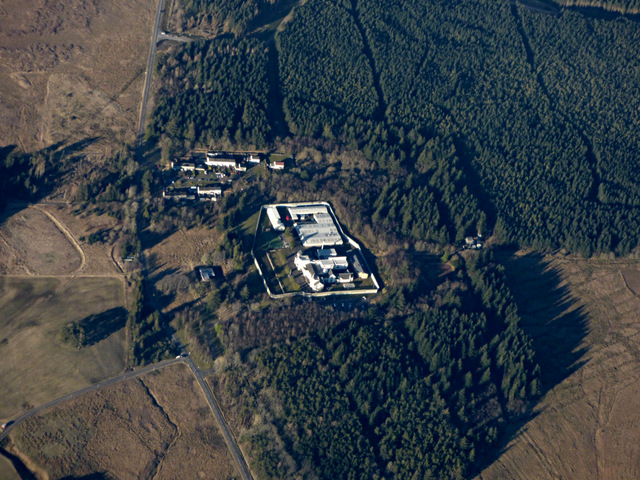
Dungavel House, the only immigration removal centre in Scotland, continued to deliver strong outcomes for detainees, prison inspectors found. However, women held there received poorer treatment than men in several areas.
HM Inspectorate of Prisons published its report in December 2025. The inspection ended in September 2025.
The centre, near Strathaven in South Lanarkshire, holds people detained under immigration powers. A small number are women. It could hold 150 detainees and held 133 during the inspection.
Mitie Care and Custody has run Dungavel since the last inspection in 2021. Staffing and detainee numbers had both risen substantially since then.
How the centre was graded
Inspectors judge immigration removal centres against four healthy establishment tests. These are safety, respect, activities, and preparation for removal and release.
Dungavel scored good, the top grade, for safety, respect and preparation for removal and release. Activities scored reasonably good. These grades matched those from 2021.
Inspectors identified nine key concerns, two of them priorities. They also found two examples of notable positive practice.
At the previous inspection, the inspectorate made 17 recommendations. The centre rejected five of them. This time inspectors found that leaders had met all three recommendations on activities, but five others remained unmet.
Staff engagement with residents is a particular strength, with staff knowing detainees by name and responding well to their individual needs.
Charlie Taylor, HM Chief Inspector of Prisons
A culture of care
“Staff engagement with residents is a particular strength,” wrote the Chief Inspector of Prisons, Charlie Taylor. Staff knew detainees by name and responded to their individual needs.
Detainees agreed. In the inspectorate’s survey, 86% said staff treated them with respect. Some 92% said reception staff treated them well, against a comparator figure of 77%.
Violence and self-harm were low, and the atmosphere was calm and relaxed. Living conditions were clean and decent.
Leaders had created new management posts in reception, fair treatment and inclusion, and safety. The centre now had 20 frontline managers. Better mentoring of new staff had helped more of them stay. A staff culture project had made a good start, and morale was improving. However, many staff still lacked confidence in the support they received from senior managers. Consultation with detainees had also improved through a weekly council.
Investment from the Home Office and Mitie had improved reception, the visits centre and the learning and recreation areas. Leaders had expanded paid work, library provision and access to outdoor sports.
The centre introduced weekly welfare checks by managers for anyone held more than six months. Inspectors also praised transport arrangements on release. Staff tracked taxis through an app so detainees did not wait outside too long.
Unequal treatment for women
The first priority concern centred on the women held at Dungavel. Staff escorted them everywhere, which limited their free movement and their access to facilities and activities.
The report found that “the current provision consistently gave advantage to the men”. Leaders had appointed a dedicated manager for women and planned a new self-contained unit. Inspectors said those plans should not delay improvements for the women already there.
The second priority concern involved vulnerable detainees leaving the centre. Some had not received a review by different professionals to plan a safe release. Some left with no fixed address, which increased their risk of harm.
Home Office practices and other concerns
Many detainees endured long journeys and arrived late at night or in the early hours. Of the last 50 arrivals, 60% came between 10pm and 6am.
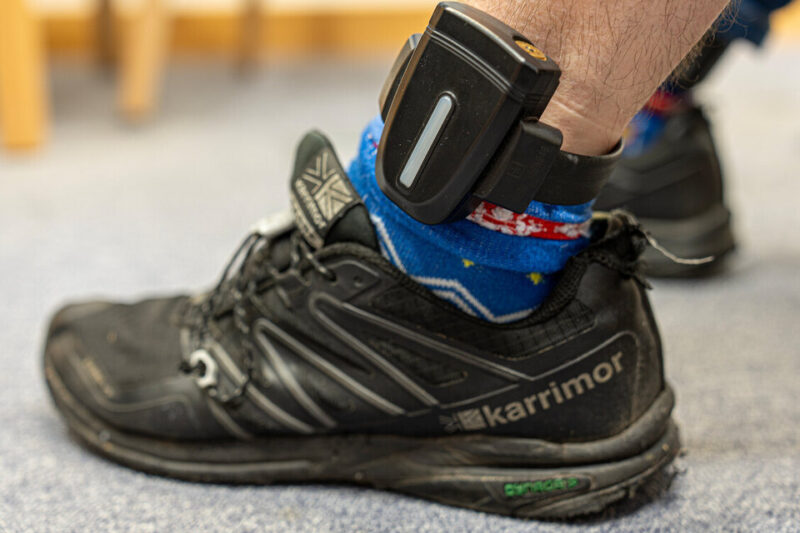
Almost all detainees wore handcuffs when staff escorted them to outside appointments such as hospital visits. This blanket practice had replaced individual risk assessment within the past year. The report said Home Office requirements had stopped the contractor from changing it.
Inspectors found weak identification of vulnerability. Some people had entered detention without proper exploration of their circumstances. Staff often did not submit rule 35 medical reports when needed. These reports bring health factors into decisions on detention.
Case progression was poor in many cases inspectors reviewed. Monthly plans too often asked caseworkers to monitor other Home Office teams rather than set deadlines.
Leaders did not collect or analyse enough data to drive improvement. Oversight of fair treatment was weak. Detainees also lacked a clearly promoted, confidential way to raise concerns about health services.
Health care, by contrast, was well led and made good use of data. Services had expanded to meet the needs of the changing population.
In the six months before the inspection, Dungavel received 796 new detainees. Of these, 297, or 37%, were former foreign national prisoners. The centre has operated since 2001 and plans to raise its capacity to 200.
About this story
This story is based on HM Inspectorate of Prisons’ report on Dungavel House IRC, published on 1 December 2025, following an inspection that ended in September 2025. All figures and judgements are the inspectorate’s. Read the full inspection report · See the prison’s profile in our directory.