Life at HMP Ranby depended heavily on where a man lived, inspectors found. On the worst houseblocks, men faced dilapidated cells, freely available drugs and almost nothing to do. Around 300 men had no purposeful activity at all.
HM Inspectorate of Prisons published the report in May 2025. Its fieldwork ended in February 2025.
Charlie Taylor, HM Chief Inspector of Prisons, pointed to drones as a central cause. He wrote: “The influx of drones bringing large amounts of contraband into this East Midlands, category C prison was affecting outcomes for prisoners in many areas.”
Grades slip on safety and respect
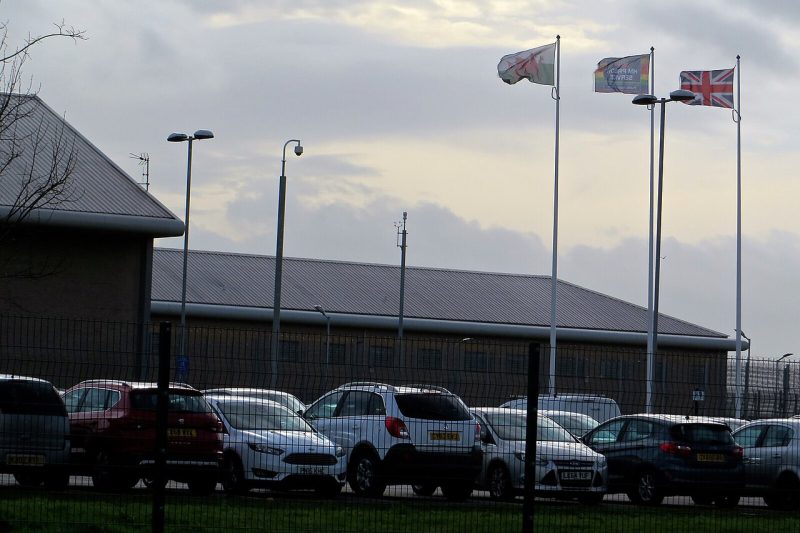
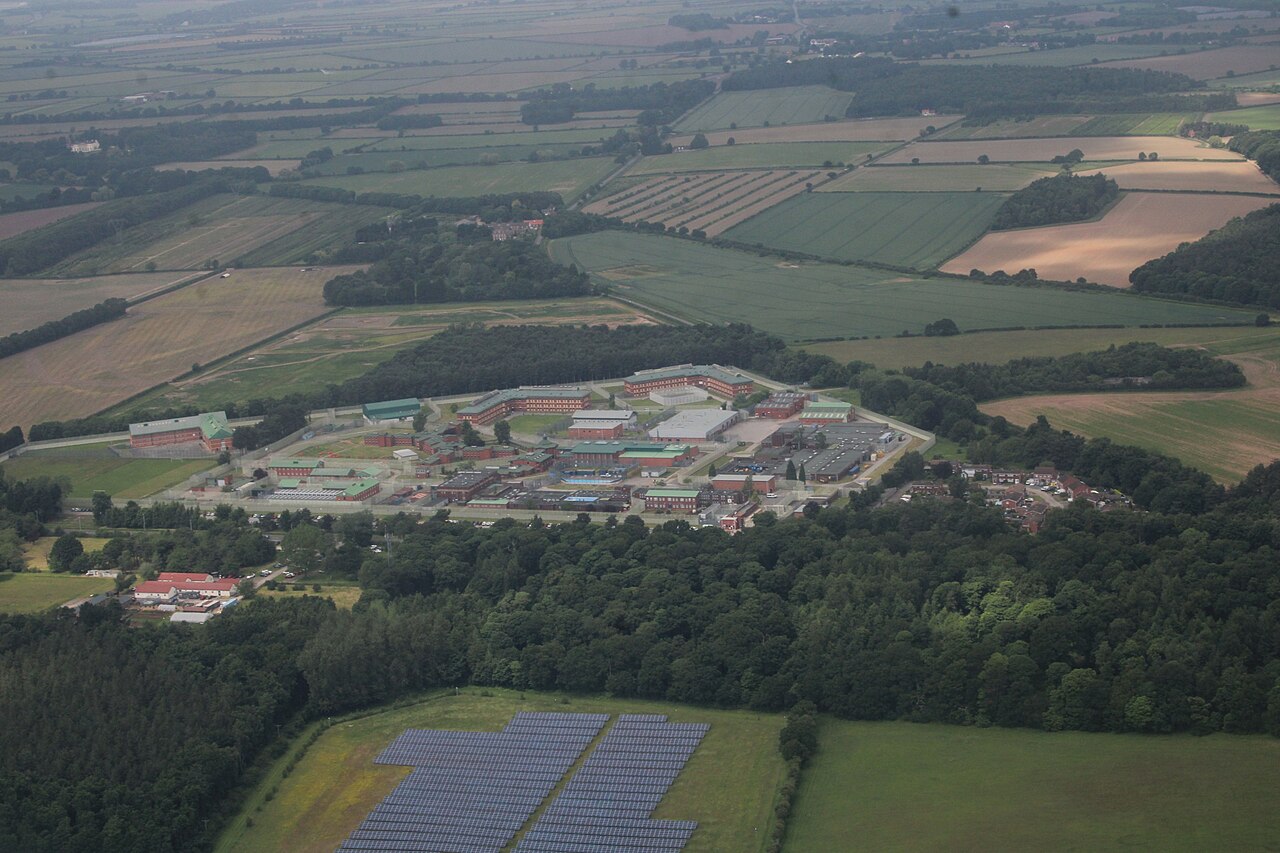
Ranby is a category C training and resettlement prison for adult men, run by the public prison service. A former Second World War army camp, it became a prison in the early 1970s. It held 1,087 men during the inspection, against an operational capacity of 1,123. Two new houseblocks were under construction, due to open in 2027.
Inspectors grade prisons against four healthy prison tests: safety, respect, purposeful activity and preparation for release. Purposeful activity means education, work and time out of cell. Ranby scored not sufficiently good on all four.
That meant safety fell from good at the previous full inspection, published in July 2022. Respect slipped from reasonably good. Purposeful activity and release planning, which both scored poor in 2022, had each improved by one grade.
Inspectors raised 14 key concerns, six of them priorities. They also found seven examples of notable positive practice.
The influx of drones bringing large amounts of contraband into this East Midlands, category C prison was affecting outcomes for prisoners in many areas.
Charlie Taylor, HM Chief Inspector of Prisons
Drugs and violence
Random drug tests showed a positive rate of 23%. In the inspectorate’s survey, 24% of men said they had developed a drug or alcohol problem at Ranby. On houseblocks one, two and three, that figure rose to 38%.
The report linked drugs to poor attendance at activities and to violence, which now exceeded levels at most similar prisons. Leaders worked hard to stop supply, and partnership work with the police had led to arrests and convictions. Yet drones kept delivering parcels.
In one inventive response, leaders used drones of their own to watch over prisoners moving to activities and to follow up intelligence about dropped packages. Inspectors counted this among the notable practice.
Officers on the poorer units were rarely visible and often failed to enforce basic rules. Inspectors saw men vaping and walking around shirtless without challenge. Little encouraged good behaviour beyond the hope of moving to a better wing.
Two very different prisons
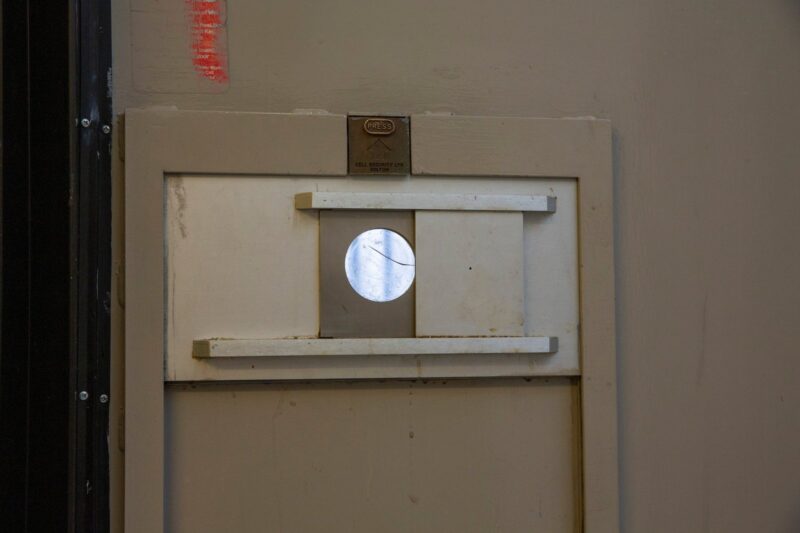
About 700 men lived on houseblocks one to three and five. The Chief Inspector of Prisons called their existence pretty bleak. Many cells lacked basic furniture, there were almost no self-cook facilities, and cell bells took longer to answer. Men struggled to get bedding, cleaning materials and prison clothing.
During a roll check on houseblocks one, two and three, inspectors found only 10% of men in activity off the wing, while 35% sat locked in their cells. Men without activity were lucky to get two hours a day out of their cells. The Chief Inspector of Prisons wrote: “This situation is simply not acceptable for a category C training prison.”
Houseblocks four, six, seven and eight told a different story. They were cleaner and offered much more to do. Commercial industry workshops and some teaching were better than inspectors usually see. Trained mentors helped fellow prisoners learn, and a workshop for men with neurodiversity needs earned praise.
Problems still affected the better side. Worn-out equipment led to frequent cancelled workshop sessions, and higher-level learners made too little progress in English and maths. Attendance in industries stayed low.
Leadership, health and resettlement
The governor was experienced and well regarded, with plenty of ideas. She had redefined some houseblocks to create clearer progression routes and secured funding for full working days that mirrored jobs outside. Inspectors said she needed more disciplined planning, with data used to set benchmarks and measure progress.
Health care showed long-standing weaknesses. Clinical governance was weak, complaints were not confidential, and medicine rounds took too long.
On resettlement, the governor had funded a housing worker who found accommodation for far more men than at similar jails. Interim sentence plans and short courses helped men without a formal plan. Visits sessions were too few to meet demand, however, and support from offender managers was lacking.
The inspectorate later published an independent review of progress at Ranby, in November 2025. That visit assessed progress against the key concerns raised in this report.
About this story
This story is based on HM Inspectorate of Prisons’ report on HMP Ranby, published on 19 May 2025, following an inspection that ended in February 2025. All figures and judgements are the inspectorate’s. Read the full inspection report · See the prison’s profile in our directory.