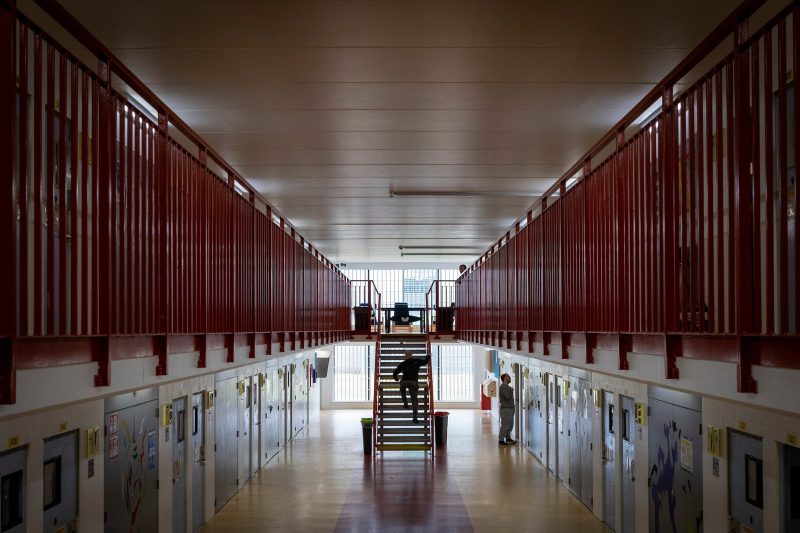
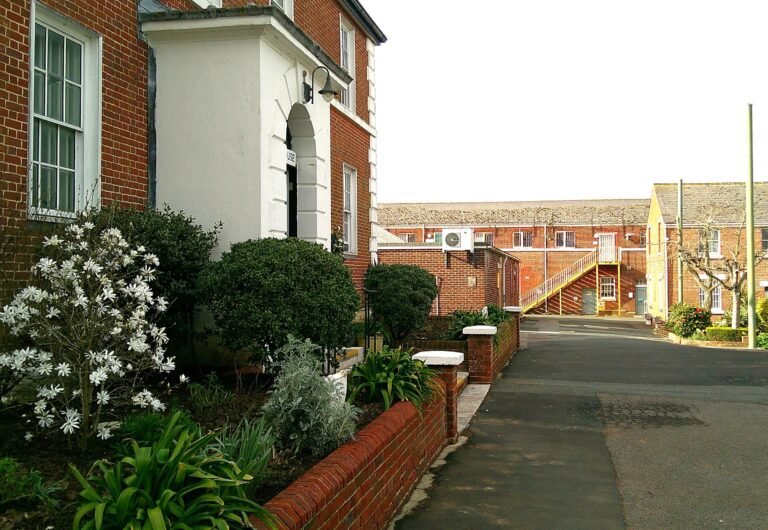
A coroner has found that a lack of medication “played a part” in the death of a prisoner at HMP The Verne.
Rachael Clare Griffin, the Senior Coroner for Dorset, issued a Prevention of Future Deaths notice after an inquest into the death of George Haldenby. He died of congestive cardiac failure on 29 January 2022.
Ms Griffin identified two risks. There was no process to “ensure hospital-prescribed medication is available when prescribed out of working hours”. Staff also lacked “regular refresher first aid and CPR training”. She warned that both gaps could lead to further deaths.
Six-day delay
Mr Haldenby had a history of heart disease. According to the report, he went on to develop severe heart failure after an incident of self-harm in March 2020. He took several medicines for his heart condition.
Prison healthcare did not prescribe him furosemide between 10 and 26 January 2022. On 21 January he saw the prison GP with worsening heart failure and went to Dorset County Hospital. There, his furosemide dose rose from 20mg to 80mg a day.
The hospital issued the new prescription after 6pm. By then its pharmacy had closed for the weekend, so it could not dispense the drug. The prison GP did not work at weekends, and nobody acted on the prescription until the next GP review on 26 January. Mr Haldenby took his first 80mg dose on 27 January, six days after the hospital prescribed it.
On the morning of 29 January, officers moved him to another unit to shower and undergo an assessment. He struggled to make the move and collapsed shortly after he arrived. Healthcare staff who looked at him “believed he was faking the collapse”, Ms Griffin said. They told officers to sit him up and left the room.
The officers grew worried and placed him in the recovery position. They could not feel a pulse or detect breathing. They called healthcare staff back, who made an emergency call and started CPR. Mr Haldenby died later in hospital.
Coroner’s concerns
A Home Office-registered forensic pathologist, a consultant cardiologist and the hospital doctor who wrote the prescription all agreed that the lack of medication played a part in his death.
Ms Griffin said the prison could not process a post-hospital prescription without a doctor or prescribing nurse on site. If a hospital pharmacy is shut, she warned, prisoners could wait for vital medication over a weekend or bank holiday. She added that without regular training for all staff in recognising collapse and giving CPR, effective CPR could start late.
She accepted that The Verne now has a duty doctor whom staff can call out of hours to progress such prescriptions. But she said a “lack of local policy and process” remained. The prison keeps certain critical medicines locked on site, yet furosemide was not among them. Without new training and firm out-of-hours processes, she found, “a significant risk of future deaths” remains.
Ms Griffin sent her report to Mr Haldenby’s family and to Practice Plus Group, the prison healthcare provider. Dorset County Hospital, NHS England, the Prisons and Probation Ombudsman and prison governors also received it. In 2025 she issued an earlier notice to The Verne following a self-inflicted death.
HMP The Verne is a category C men’s prison in the South West. At its last full inspection, in October 2024, inspectors rated safety as good and respect as reasonably good. They rated purposeful activity and preparation for release as not sufficiently good.