Colnbrook immigration removal centre was very well led and had kept reasonable standards, HM Inspectorate of Prisons found. But inspectors also reported a major drug problem and said too many vulnerable people were in detention.
The inspectorate’s report, published in May 2025, followed fieldwork that ended in February 2025. It found the centre near Heathrow Airport had maintained the outcomes recorded at the previous inspection in 2022.
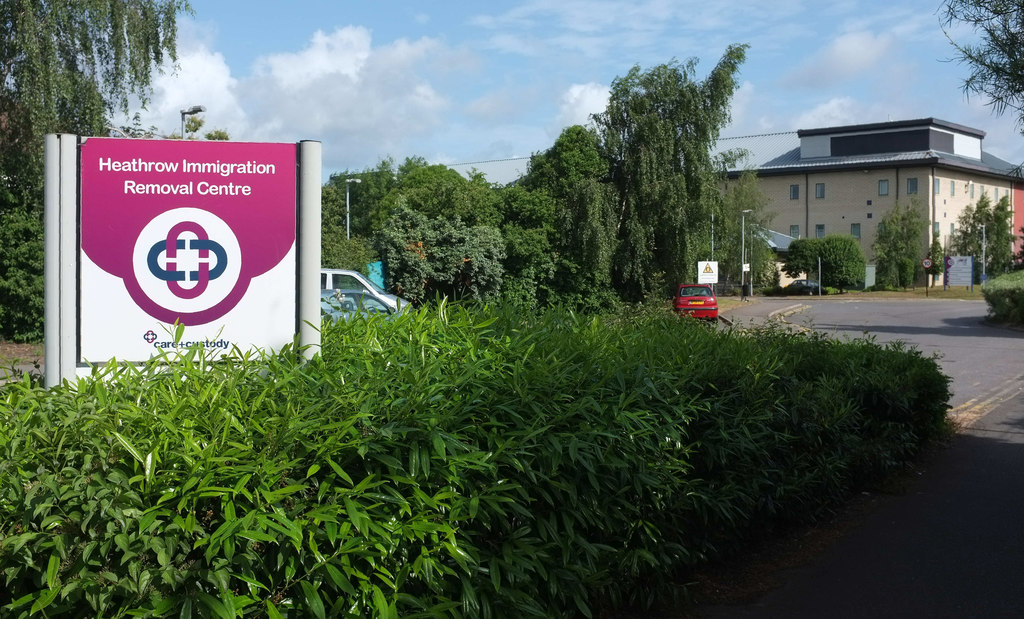
Colnbrook holds adult men whom the Home Office detains under immigration powers, often while it arranges their removal from the UK. It sits next door to Harmondsworth immigration removal centre. A private contractor runs the centre.
Colnbrook held 305 men at the time of the inspection, against an operational capacity of 339. Over half had been there for less than a month. The longest detention had lasted more than 700 days.
How inspectors graded Colnbrook
Inspectors judge immigration removal centres against four tests: safety, respect, activities, and preparation for removal and release. Each test receives one of four grades: good, reasonably good, not sufficiently good or poor.
Inspectors rated Colnbrook reasonably good on all four tests. That matches the grades at the previous full inspection, published in July 2022.
Progress on earlier concerns was mixed. Of six recommendations on key concerns from 2022, the centre had achieved two and missed four. Neither recommendation on respect had been met.
This time inspectors raised 15 key concerns, five of them priorities for immediate attention. They also recorded eight examples of notable positive practice.
Charlie Taylor, HM Chief Inspector of Prisons, wrote that the centre manager “had injected a positive energy and direction to the facility”. But he said inexperience and poor practice remained a theme of the findings.
There were more staff and leaders at all levels, and the centre manager had injected a positive energy and direction to the facility and was being well supported by other senior leaders in Care and Custody and the Home Office.
Charlie Taylor, HM Chief Inspector of Prisons
Safety, drugs and vulnerability
The centre felt calm. Yet in the inspectorate’s survey over a third of detainees said they felt unsafe, a finding inspectors said matched other immigration removal centres.
Illicit drugs posed a major problem. Inspectors found some useful work under way, but staff searching and new detection technology had not kept pace with the need. Staff also needed to tackle low-level poor behaviour more decisively.
One detainee had taken his own life since the last inspection. Support for men in self-harm crisis had improved, with more joined-up work between teams. A care suite gave vulnerable detainees a quiet place away from the normal regime, and they valued it.
Inspectors found that policies to limit the length of detention did not work well enough. Too many vulnerable people remained in detention. Staff did not always use Rule 35, which alerts the Home Office when a doctor has concerns about someone’s health, including for men at risk of serious self-harm.
Many men remained in detention only because no bail accommodation was available. In the staff survey, a fifth of frontline staff did not know how to raise safeguarding concerns. A quarter said they would not raise any.
Most men taken to hospital went in handcuffs, often with no clear justification based on risk. Some detainees spent too long in the care and separation unit.
Respect and living conditions
Most detainees in the survey said staff treated them with respect. Inspectors’ own observations broadly supported this, despite some inconsistencies.
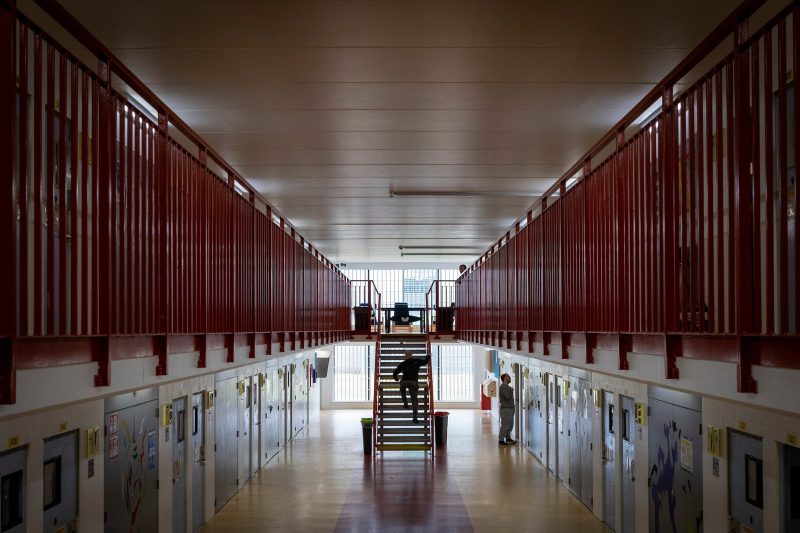
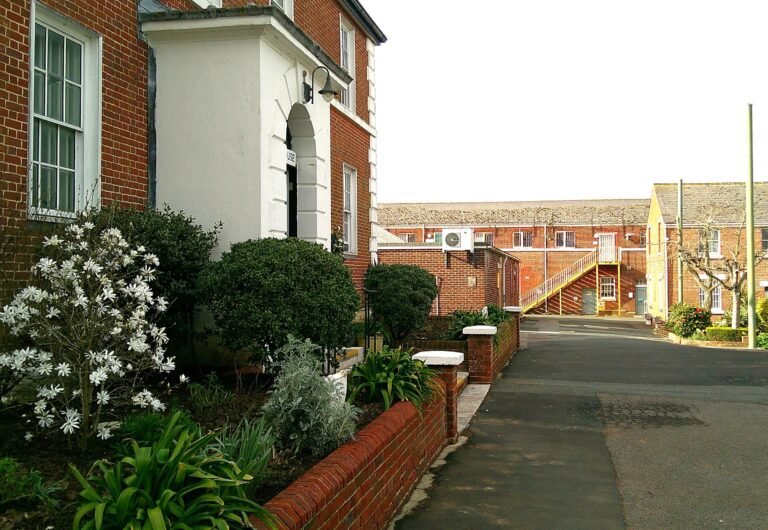
The building was showing its age. Inspectors cited its prison-like design, poor ventilation, windows that did not open and limited green space. Showers, toilets and sinks needed repair.
Leaders had detailed plans for significant improvement. Inspectors said Home Office and contractor leaders had committed to substantial and much-needed investment to upgrade the centre.
A shortage of staff meant men waited too long for mental health support. Some aspects of medicines management were poor, including supervision of medicine queues. Complaint responses were often late and not translated when needed.
Detainees remained frustrated by a lack of news from Home Office caseworkers. However, the detention engagement team, which keeps detainees informed about their cases, had improved considerably. It held surgeries in the welfare office three days a week.
Activities and leaving the centre
Access to activities was reasonably good. A change of management had improved provision and resources, and leaders had widened the range of courses after consulting detainees.
There were enough work and education places for around two-thirds of the men, but most went unused. In the survey, 25% said they attended education, and 93% of those found it helpful.
Creative courses drew praise for helping men cope with the stress of their situation. A partnership with Brentford Football Club offered week-long training leading to a grassroots coaching certificate.
Evening attendance had dropped because detainees could no longer move freely between their wings and activity rooms.
In the six months before the inspection, 50% of detainees who left the centre went into the community. Only 40% were removed from the UK, and 10% transferred to other centres.
Support for those released was limited. Over the previous year, 24 detainees left the centre homeless.
About this story
This story is based on HM Inspectorate of Prisons’ report on Colnbrook IRC, published on 12 May 2025, following an inspection that ended in February 2025. All figures and judgements are the inspectorate’s. Read the full inspection report · See the prison’s profile in our directory.