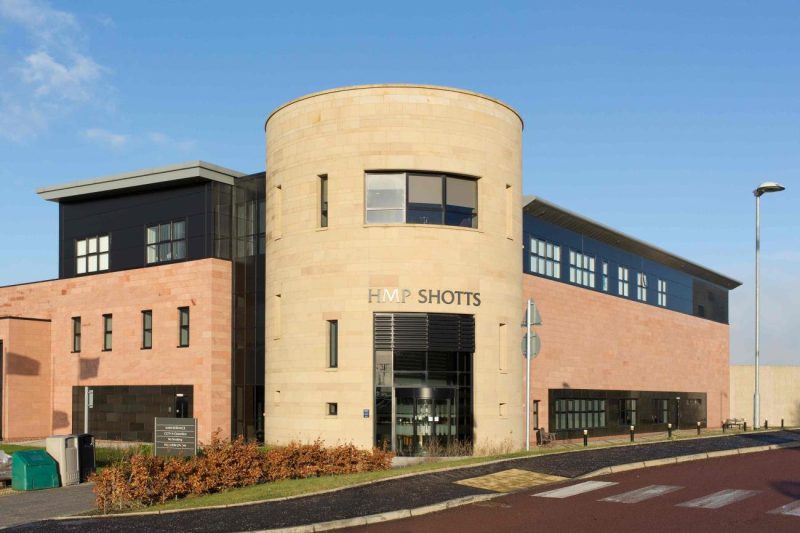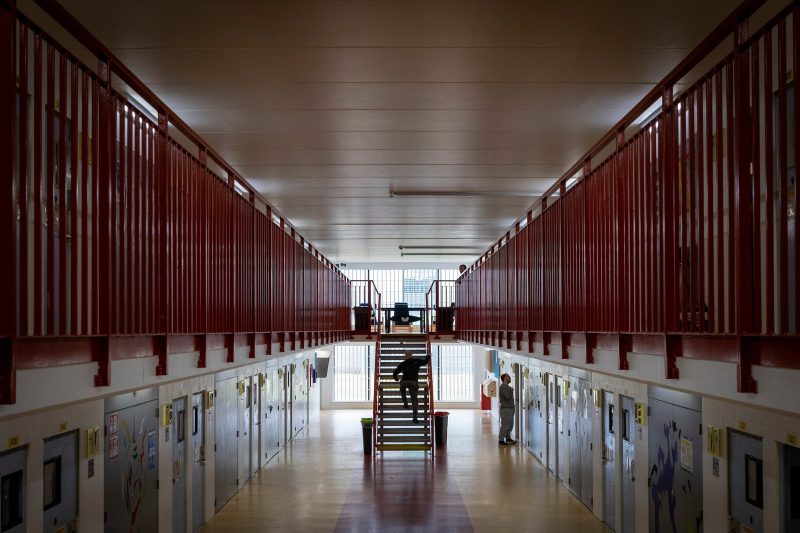
Illicit drugs pose substantial, growing and fast-changing threats to the prison and health services, according to the National Audit Office (NAO). The spending watchdog points to synthetic drugs becoming more common and to the use of drones.
In April 2025, about 40,000 people in prisons in England and Wales had an identified drug problem. That is half of the prison population.
The NAO called its report ‘The costs of tackling drug harms in prison’. It heavily criticises both HM Prison and Probation Service (HMPPS) and NHS England (NHSE).
Security money left unspent
The NAO found that HMPPS significantly underspent on two programmes meant to reduce drug harms. Between 2019/20 and 2021/22, it spent only 75 per cent of its £100 million security investment budget. Gate security saw the largest underspends.
HMPPS also received £114 million for 2022/23 to 2024/25 under ‘From harm to hope’, the cross-government drug strategy. The money covered prison-based and cross-cutting work. Revisions to make savings cut the budget to £97 million. HMPPS spent only £67 million of it, or 69 per cent.
For 2025/26, the government committed around £40 million to improve security at high-risk prisons. Measures include window grilles and netting to counter criminal use of drones. Drone sightings went up by more than 750 per cent from 2019 to 2023. They rose a further 43 per cent from 2023/24 to 2024/25.
The NAO said HMPPS had responded too slowly to urgent threats. Prison governors told the watchdog they lacked sufficient resources. It heard of broken security equipment, such as x-ray scanners for prisoners’ luggage, left unrepaired for many months. Work to improve window security had taken several years.
The design, age and poor condition of some older prisons leave them open to drugs getting in. Across the estate, the maintenance backlog doubled from £0.9 billion in 2020 to £1.8 billion in 2024.
Health services under scrutiny
Prisoners with potential substance misuse needs often faced delays. In 2024/25, 24 per cent waited over three weeks after reception screening for NHSE to carry out a triage health assessment.
NHSE spent £226.4 million on mental health and substance misuse services in prisons in 2024/25. In cash terms that is more than the £202.9 million spent in 2020/21. In real terms it is a fall of 5 per cent.
NHSE recorded nearly 160,000 substance misuse appointments in 2024/25 as ‘did not attends’. That is around 35 per cent of all appointments. Reasons vary, and include prisoners choosing not to go. But missed appointments can harm health and wellbeing, waste staff time and disrupt the prison regime.
NHSE does not base funding decisions on regional health needs assessments. Yet spending on substance misuse services varies widely by region. In 2024/25, London spent 72 per cent more per prisoner on treatment than the East of England. NHSE has not looked into the gap.
Monthly random mandatory drug testing costs HMPPS an estimated £8 million a year. Prison staff told the NAO these tests were resource-intensive. HMPPS has also trialled testing prison wastewater for traces of illicit drugs, as a new way to measure prevalence.
Recommendations and reaction
The NAO says progress will depend on closer coordination between HMPPS and health services. It also calls for faster action on security weaknesses. Spending decisions should draw more consistently on data about drug prevalence, it says.
Its recommendations include a renewed commitment to partnership working across government. The watchdog also wants better information to guide funding and a refocus by NHSE on health needs. HMPPS and NHSE should promote good practice together, it says.
“The proliferation of illicit drugs in prisons undermines rehabilitation, damages health, and destabilises prison environments,” said Gareth Davies, head of the NAO. He said too many basic controls and interventions were falling short. He gave examples ranging from repairing critical security equipment to aligning health and operational priorities.
Pia Sinha, chief executive of the Prison Reform Trust, said the Sentencing Act should stabilise the capacity crisis. But she warned that the Government “will no longer have anywhere to hide”. She called for effective partnerships, better use of resources and a strategy covering supply, demand and recovery.
Karen Ratcliff, national criminal justice lead at the drug charity WithYou, said the report exposed the scale of drug harm in prisons. She warned that real-terms cuts to treatment undermined efforts to tackle it. “We cannot address prison drug harm through security alone,” she said. She called for trauma-informed treatment, stronger links between prison and community services, and urgent investment.